
Flowers
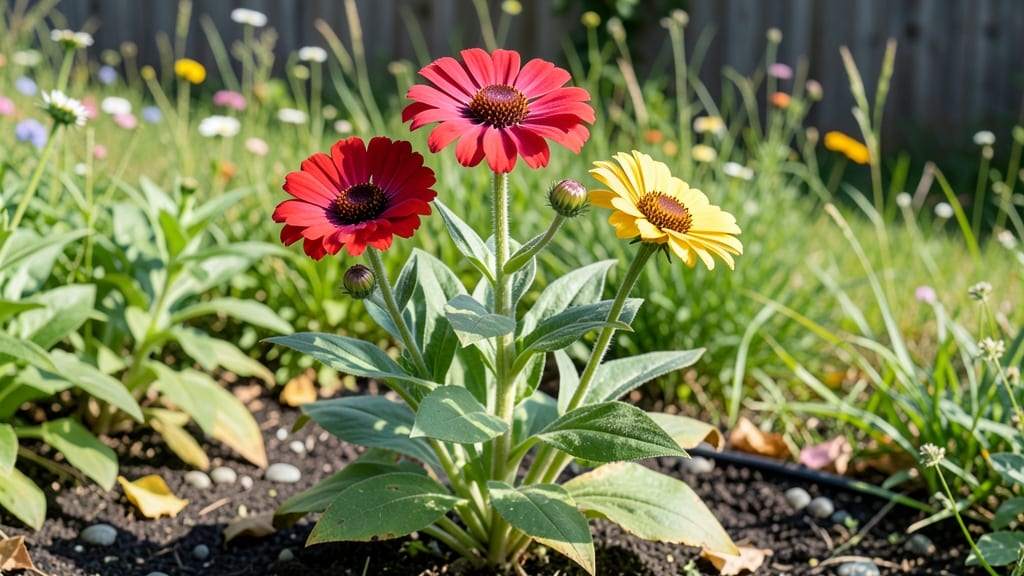
Zinnia flowers bloom from early summer through fall 🌸, but the exact timing depends on your planting window and hardiness zone.
If you’ve ever planted zinnias in April only to watch them burst into color by July, you know how quickly they transform a garden—but what if you live in a cooler zone?
The difference between a 60-day bloom and a 90-day wait comes down to when you start seeds and which variety you choose.
In Zone 6a, where many gardeners call home, zinnias typically start flowering in late June if planted in April, with peak blooms stretching into October. But in warmer zones like 9 or 10, they can begin as early as May and last until frost.
Below, I break down the month-by-month timeline for your zone, plus three proven tips to extend their blooming season—so you can enjoy those cheerful faces from first light to last frost.
Zinnia bloom timeline by USDA hardiness zones: exact months for each region
Zinnias thrive across nearly every USDA hardiness zone, but their bloom timing shifts dramatically depending on where you garden. In Zone 3, expect your zinnias to make their first appearance in late June, while gardeners in Zone 11 enjoy continuous blooms from March through November.
Understanding these regional patterns helps you choose the right varieties and planting strategies for your area.
Most zinnias bloom within 60-75 days after sowing, but cooler climates may delay flowering by 2-4 weeks. Southern regions often see earlier, longer-lasting blooms thanks to milder winters. Let's break down the exact months for each zone so you can plan your garden like a pro.
🌱 Pro Tip: For northern zones, start seeds indoors 4-6 weeks before your last frost date to jumpstart your blooming season.
| USDA Zone | First Blooms | Peak Blooming | Late Blooms | Notes |
|---|---|---|---|---|
| 3-4 | Late June | July-August | Early October | Short season; use cold-hardy varieties like 'Thumbelina' |
| 5-6 | Mid-June | July-September | Mid-October | Longer season; succession plant for continuous color |
| 7-8 | Early June | June-October | November | Year-round color with proper care; heat-tolerant varieties excel |
| 9-10 | April-May | May-November | December | Extended season; plant in fall for winter blooms |
| 11 | March-April | March-November | December | Near year-round blooms; minimal seasonal variation |
In Zones 3-4, your zinnias will put on their first show in late June, with peak performance through July and August. These northern regions have the shortest bloom windows, so choose compact varieties like 'Thumbelina' that handle cooler temperatures better.
Planting seeds indoors in March gives you a head start on the season.
Gardeners in Zones 5-6 enjoy a more extended bloom period from mid-June through October. This is prime territory for tall varieties like 'Benary's Giant' that reach 4 feet tall.
For continuous color, make succession plantings every 2-3 weeks starting in May. The cooler nights help zinnias last longer in vases too!
Southern zones 7-10 offer the longest bloom seasons, with zinnias flowering from early June through November. In these areas, zinnias can even bloom year-round with proper care. Heat-tolerant varieties like 'Profusion' thrive here, producing blooms even when temperatures exceed 90°F.
For extra-long seasons, plant a fall crop in August.
In Zone 11, zinnias are practically perennial performers, blooming from March through November with minimal care. The mild winters mean you can plant year-round, though spring and fall plantings yield the most vibrant blooms.
Use dwarf varieties for containers and borders, as they handle the humidity better than tall types.
🌿 Zone-Specific Tip: Northern gardeners should mulch heavily in fall to protect zinnias from early frosts, while southern gardeners should water deeply during dry spells to prevent bud drop.
To maximize your zinnia blooms, align your planting with these timelines. For example, if you're in Zone 7 and want July 4th blooms, start seeds indoors in early May or direct sow outdoors in late April.
The key is matching your variety choice, planting time, and care routine to your specific zone's climate patterns.
🌸 Remember: Zinnias are self-cleaning—they drop seeds easily, so you can often get volunteer plants the following year in warmer zones (7-11). In cooler areas, collect seeds from dry flower heads in fall for next year's garden.
How to extend zinnia blooming season: planting and care tips by Zone
If you love zinnias for their bold colors and long-lasting blooms, you know how disappointing it can be when their season feels too short. The good news? With a few strategic planting and care techniques, you can stretch those vibrant flowers from early summer all the way to frost.
The key lies in understanding your USDA hardiness zone and adjusting your approach accordingly.
For gardeners in cooler zones (3-5), the focus is on encouraging earlier blooms by starting seeds indoors or using heat-loving varieties. In moderate zones (6-9), continuous flowering becomes the goal with consistent deadheading and watering.
Meanwhile, gardeners in warmer zones (10-11) can extend blooms late into fall with proper mulching and succession planting.
🌱 Zone-Specific Strategies to Extend Zinnia Blooms
- Zones 3-5: Start seeds indoors 8-10 weeks before last frost (March) for earlier blooms. Use black plastic mulch to warm soil and plant heat-tolerant varieties like 'Profusion' or 'Benary's Giant'.
- Zones 6-9: Deadhead every 2-3 days to encourage continuous blooms. Space plants 12-18 inches apart for airflow and apply balanced fertilizer (5-10-5) every 4-6 weeks.
- Zones 10-11: Succession plant every 3-4 weeks from March to July. Use shade cloth (30%) in peak summer to prevent bolting and mulch heavily to retain moisture.
One of my favorite tricks for extending zinnia seasons is succession planting. By sowing new seeds every 2-3 weeks throughout the growing season, you create a staggered bloom time that keeps your garden looking fresh.
For example, in Zone 7, I start my first batch in early April, then follow with additional plantings in May and June. This ensures I have blooms from June through October!
Don't underestimate the power of proper watering. Zinnias need consistent moisture, especially during their first 4-6 weeks of growth. Water deeply in the morning to encourage strong root development and prevent fungal diseases.
In hotter zones, I increase watering to every 2-3 days during peak summer heat, but always allow the top inch of soil to dry between waterings to avoid root rot.
For late-season extensions, focus on mulching and light feeding. In September, I apply a 2-inch layer of straw mulch around my zinnias to insulate roots and retain moisture.
A light application of fertilizer (5-10-5) in early fall can also stimulate new growth. In Zone 10, this technique has kept my zinnias blooming until December!
Remember that zinnias are annuals, so they won't return year after year. But with these techniques, you can enjoy their vibrant blooms for nearly half the year. The secret is matching your care routine to your local climate and being proactive about maintenance.
With a little planning, your zinnia season can be as long as your growing season!