
Blooming
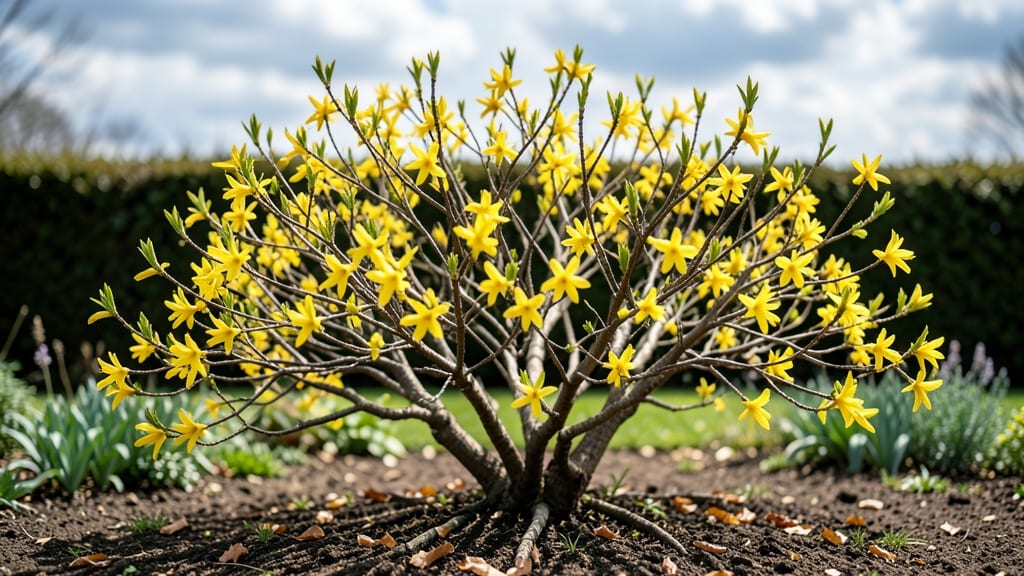
Forsythia flowers in early spring 🌸, typically between late February and early April, depending on your climate zone and how many cold winter hours it has endured.
If you've ever wondered why your forsythia bush bursts into vibrant yellow blooms while your neighbor's remains bare, the answer lies in your local climate zone—not just luck. Timing these cheerful flowers correctly can transform your spring landscape planning from guesswork to precision.
In most of the U.S., including Zone 6a, forsythia blooms when daytime temperatures climb into the 50s°F but nights stay cool. That usually means late March in the Midwest, February in the South, and April in the Pacific Northwest.
The key? Chilling hours—forsythia needs at least 500 hours below 45°F to set buds properly.
Below, I’ll break down exactly how to predict your forsythia’s bloom window, what to watch for in bud formation, and how sunlight or pruning mistakes can shift those cheerful yellow clusters weeks earlier—or cancel them entirely.
Forsythia flowering timeline by USDA climate zones
Forsythia's bright yellow blooms signal spring's arrival, but their exact timing varies dramatically across the U.S. The USDA climate zone you live in determines whether you'll see flowers in late winter or mid-spring. Understanding these patterns helps you plan pruning, fertilizing, and even companion planting for maximum impact.
For example, Pacific Northwest gardeners often spot forsythia in February, while Southern gardeners wait until March or April.
Temperature thresholds trigger forsythia's flowering cycle. These shrubs need chilling hours (typically 500-1,000 hours below 45°F) followed by warm days above 60°F.
This dual requirement explains why Zone 3 gardens bloom earlier than Zone 10—colder winters provide sufficient chilling, while milder winters in warmer zones delay flowering until spring warmth arrives consistently.
Here's how your USDA zone affects forsythia's bloom window, with regional examples to help you predict when your shrubs will light up your landscape:
| USDA Zone | Typical Bloom Window | Key Temperature Trigger | Regional Example |
|---|---|---|---|
| 3-4 | Late March to early April | 300+ chilling hours + 50°F+ days | Minnesota, upstate New York |
| 5-6 | Mid to late April | 400+ chilling hours + 55°F+ days | Chicago, Portland, Boston |
| 7-8 | Early to mid April | 500+ chilling hours + 60°F+ days | Seattle, Denver, Atlanta |
| 9-10 | Late April to early May | 600+ chilling hours + 65°F+ days | San Francisco, Phoenix, Miami |
🌱 Note: Coastal areas (like Zone 9 San Francisco) often bloom 2-3 weeks earlier than inland regions due to milder winters.
In the Pacific Northwest, where Zone 7-8 conditions prevail, forsythia typically bursts into bloom by early April. The Seattle area, for instance, sees consistent flowering when daytime temperatures stabilize above 55°F for 3-5 consecutive days.
Meanwhile, in Deep South regions like Zone 8-9 Atlanta or Zone 10 Phoenix, the same shrubs wait until late April or May because winter temperatures rarely drop low enough to satisfy chilling requirements.
Microclimates create additional variations. A south-facing slope in Zone 5 might trigger blooms 10 days earlier than a north-facing yard, while urban heat islands can delay flowering in Zone 7 cities like Denver by 1-2 weeks.
To account for these factors, observe nearby forsythia bushes in similar microclimates—they're your best local predictors.
Pruning also influences bloom timing. If you prune after flowering, you'll enjoy blooms on last year's wood, which typically appears 2-3 weeks earlier than new growth.
However, pruning before flowering (to shape the shrub) may delay blooms by 1-2 weeks as the plant focuses energy on new growth rather than flower production. Always prune immediately after the blooms fade to maintain the optimal balance.
For gardeners in warmer zones (9-10), extending the blooming period requires strategic care. Since these regions often have milder winters, forsythia may produce smaller, less vibrant blooms or flower later in the season.
To encourage earlier blooms, apply a balanced fertilizer (10-10-10) in early winter to stimulate root growth before the chilling period. In cooler zones (3-6), focus on winter mulching to protect buds from freeze-thaw cycles, which can damage emerging flowers.
Watch for bud formation in late winter—a key indicator of imminent blooming. These swollen, green buds appear along last year's branches and typically open within 7-14 days of consistent 60°F+ temperatures.
In Zone 4-5, you might spot buds as early as February, while Zone 7-8 gardeners should look in March. Take photos of bud development each year to track your local patterns and refine your planting schedule.
If your forsythia fails to bloom on schedule, check for three common issues: insufficient chilling hours
How to predict forsythia blooming dates in your area
Predicting when your forsythia will bloom isn't just guesswork—it's science! These cheerful shrubs rely on chilling hours and last frost dates to trigger their vibrant yellow flowers. By understanding your local climate patterns, you can estimate bloom windows with remarkable accuracy.
This knowledge helps you plan pruning, fertilizing, and even companion plantings for a stunning spring display.
Forsythia typically blooms in late winter to early spring, but exact dates vary by USDA hardiness zone and microclimates. For example, Zone 5 gardens often see blooms in March to early April, while Zone 8 areas may flower as late as February to March.
Local factors like elevation, urban heat islands, and proximity to water bodies can shift these windows by 1-3 weeks.
- 🌡️ Step 1: Determine Your Chilling Hours
Forsythia needs 500-1,000 chilling hours (temperatures below 45°F) to bloom. Check your local USDA Plant Hardiness Zone Map or use a home weather station to track winter lows. - 📅 Step 2: Find Your Last Frost Date
Visit the National Oceanic and Atmospheric Administration (NOAA) website or use the USDA Planting Calendar to locate your average last frost date. This marks the window when forsythia blooms typically appear 2-4 weeks before. - 🌳 Step 3: Adjust for Microclimates
South-facing slopes bloom 1-2 weeks earlier than north-facing areas. Urban gardens may experience earlier blooms due to heat retention. Note local wind patterns—exposed sites can delay flowering by up to 10 days. - 📊 Step 4: Use Historical Data
Check your local Cooperative Extension Service records or gardening forums for 3-year bloom averages in your area. Compare these with your chilling hours to refine predictions. - ✂️ Step 5: Account for Pruning Impact
Late-winter pruning (after blooms fade) encourages next year's flowers to form earlier. If you prune in summer or fall, expect blooms to appear 2-3 weeks later the following year.
For precise predictions, combine these steps with real-time monitoring. Start observing bud swell in late winter—this occurs 4-6 weeks before blooming. In my Zone 6 garden, buds typically swell in mid-February, with flowers appearing by late March.
If you notice buds but no flowers, check for pest damage or nutrient deficiencies.
Pro tip: Plant forsythia near a south-facing window or sunny patio to extend the bloom season. The extra warmth can push flowering 5-7 days earlier compared to shaded locations. Pair it with early-blooming bulbs like daffodils to create a layered spring display.
Remember, local variations matter more than general rules. If your neighbor's forsythia blooms earlier, their microclimate might have warmer winter nights or less wind exposure. Use these methods to create your own custom bloom forecast—your garden will thank you with a perfect spring show! 🌸