
Flowers
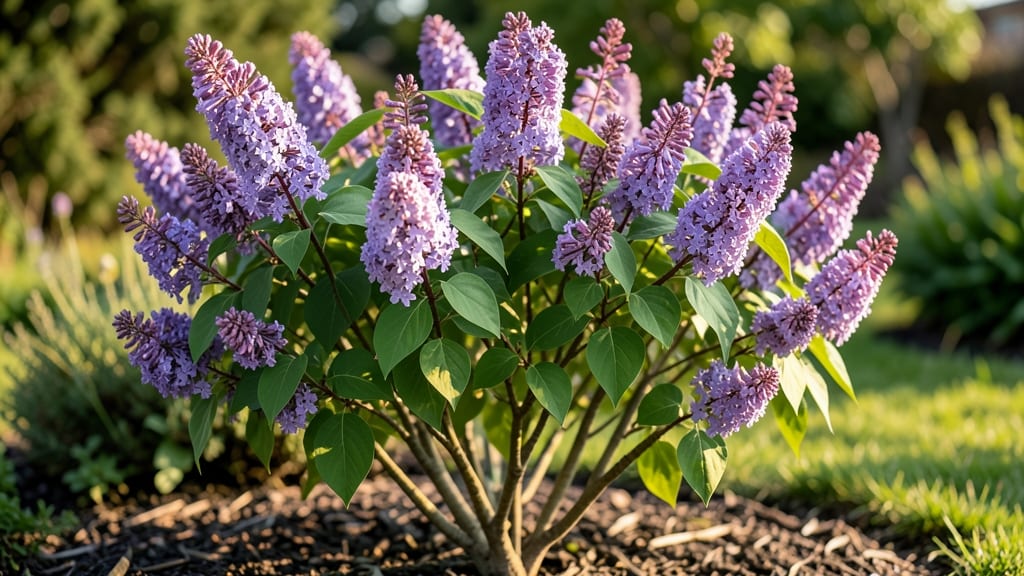
Lilacs flower in late spring, typically between May and June, when the air hums with their iconic fragrance and your garden bursts into color 🌸.
If you’ve ever wondered why your lilac bushes aren’t blooming—or when to expect those fragrant purple spikes—timing is everything. The answer depends on the variety, your climate zone, and even last year’s growing conditions.
Most lilacs need chill hours (a cold winter period) to set buds, which is why they often bloom later in warmer zones like 6a or earlier in colder regions. A late frost can delay blooms, while a mild winter might push them forward.
Below, I’ll break down the exact months for popular varieties, how to adjust care for your zone, and pro tips to ensure your lilacs bloom on time—or even earlier—next season.
Lilac flowering months by variety: a seasonal breakdown
Timing is everything when it comes to lilac blooms, and not all varieties dance to the same seasonal drum. Common lilacs like Syringa vulgaris typically burst into color in late April to early May, but early bloomers like 'Katherine Haviland' can start as early as mid-April.
Meanwhile, late varieties like 'Miss Kim' might wait until May or even June in cooler climates.
The key to predicting your lilac’s bloom schedule lies in understanding USDA hardiness zones and the specific variety you’ve planted. For example, Dwarf Korean lilacs often bloom 2–3 weeks earlier than their standard counterparts.
Even within the same zone, a mild winter can delay blooming, while a harsh freeze might push flowers to open sooner.
Here’s a quick reference for common lilac varieties and their typical bloom windows across USDA zones 3–9. Use this as your guide to set expectations and plan your garden’s seasonal highlights.
If you’re in USDA zone 9, where winters are milder, lilacs often bloom earlier than in cooler zones. For example, 'Katherine Haviland' might start flowering as early as March, while 'Miss Kim' could stretch blooming into June.
In zones 3–5, expect a 2–4 week delay compared to warmer regions.
Regional variations also play a role. In the Pacific Northwest, lilacs may bloom 1–2 weeks later due to cooler, wet springs. Meanwhile, in the Southeast, early bloomers like 'Dwarf Korean Lilac' can start as soon as February in sheltered microclimates.
Always check your local last frost date to time your garden prep.
Did you know that late frosts can damage lilac buds just as they’re opening? This is why late-blooming varieties like 'Miss Kim' are often recommended for cooler climates.
They avoid the risk of frost damage that early bloomers might face. For zone 6 and below, consider planting near a south-facing wall to create a warmer microclimate.
For gardeners in USDA zone 7 or higher, where winters are mild, lilacs may bloom so early that they’re nearly missed. If your lilac isn’t flowering by mid-April, check for over-pruning or poor soil drainage, which can delay blooming.
A simple soil test and balanced fertilizer application in early spring can often revive a sluggish shrub.
Pro tip: Early spring pruning (just after blooming) encourages next year’s flowers to form. But if you prune too late, you risk cutting off next season’s buds, which develop on old wood.
This is especially critical for late-blooming varieties like 'Miss Kim,' which rely on last year’s growth for their showstopping displays.
Whether you’re planning a fragrant spring garden or troubleshooting a lilac that’s playing hard to bloom, knowing your variety and zone is half the battle. Use this guide to time your pruning, fertilizing, and deadheading for maximum impact—and enjoy those sweet, intoxicating blooms at their peak! 🌸
How climate zone and last year’s growth affect lilac blooming
When your lilacs fail to bloom on schedule—or skip blooming entirely—it’s rarely a mystery. The timing of lilac flower blooms depends heavily on two critical factors: your USDA climate zone and the growth conditions from the previous year.
These elements work together to determine whether your shrubs will burst into fragrant purple spikes in late spring or miss the window entirely.
For example, cold-hardy varieties like 'Katherine Haviland' thrive in USDA zones 3–6 and rely on winter chill hours (300–1,500 hours below 45°F) to trigger bud formation. Meanwhile, milder climates in zones 7–9 may see delayed blooms or sparse flowers if the winter wasn’t cold enough.
Even last year’s pruning, watering, and soil health play a role in setting the stage for this year’s display.
⚠️ When Does Lilac Flower? Watch for These Red Flags
Late frosts after buds form can kill emerging blooms, while warm winters (below 500 chill hours) may prevent buds from setting at all. If your lilac skipped blooming last year, it might be recovering from drought stress or poor soil nutrition. Even over-pruning in late summer can starve next year’s flowers.
Actionable tip: Monitor your local last frost date—blooms typically appear 2–4 weeks after—and adjust care to compensate for climate quirks.
Let’s break down how climate zones influence blooming. In northern zones (3–5), lilacs often bloom in May because they need deep winter dormancy to reset. But in southern zones (7–9), blooms may stretch from March to June due to milder winters.
The key is understanding your local chill requirements—most lilacs need 500–1,000 hours below 45°F to set buds properly.
Another critical factor is bud formation in fall. Lilacs form next year’s flower buds on current-year’s growth during late summer and early fall.
If your plant was stressed by drought or poor soil last season, it may have produced fewer or weaker buds, leading to lighter blooms—or none at all. Even excessive nitrogen in the soil can promote leafy growth at the expense of flowers.
For gardeners in warmer climates (zones 8–9), the challenge is often timing blooms before heat waves. Early varieties like 'President Lincoln' may bloom in March, but late frosts can damage them.
To mitigate this, choose late-blooming varieties like 'Bloomerang' lilacs, which rebloom in summer after their spring display. In drought-prone areas, deep watering in late fall can help buds form despite dry conditions.
If your lilac missed blooming entirely, don’t panic—it might just be recovering from stress. Focus on soil amendments (like compost or a balanced fertilizer in early spring) and consistent moisture during bud formation.
With the right care, your lilac will likely bounce back next year with a fuller, more vibrant display.