Flowers
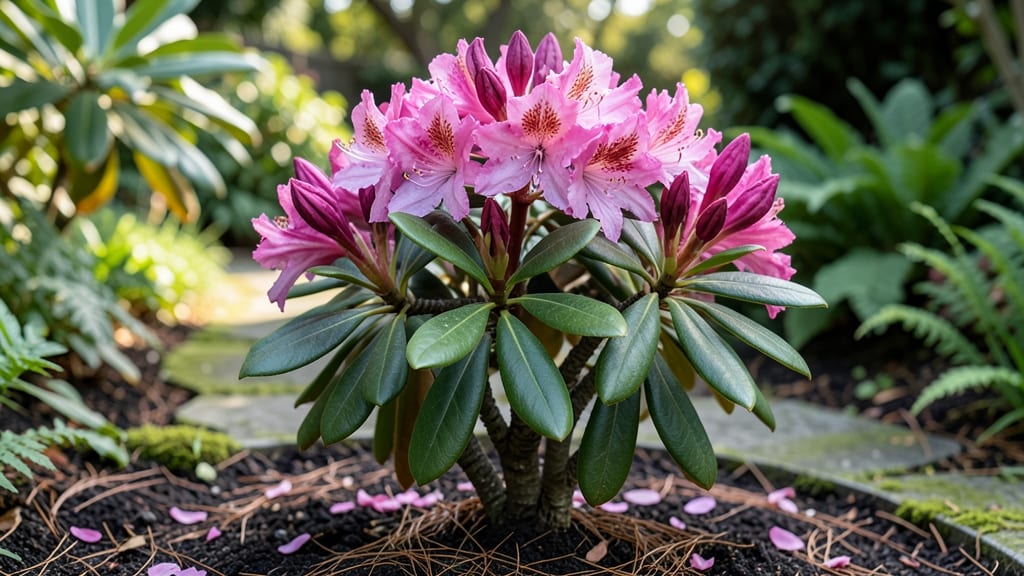
Rhododendrons flower in late spring to early summer 🌸, with exact timing depending on your USDA zone and the specific variety you’ve planted.
If you’ve ever wondered why your neighbor’s rhododendron bushes burst into color weeks before yours even bud, the answer lies in climate, elevation, and the exact cultivar you’re growing.
In cooler zones like 5-8, blooms often appear in May or June, while warmer regions may see flowers as early as April. Early bloomers like ‘Nova Zembla’ can start in late April, while late varieties like ‘Catawbiense’ might wait until June.
Below, I’ll break down the month-by-month flowering windows by zone, share the top 5 varieties and their precise bloom periods, and explain why your plant might be lagging behind schedule.
Rhododendron flowering months by USDA hardiness zone: a month-by-month guide
Rhododendrons are one of the most anticipated spring bloomers, but their exact flowering months vary dramatically depending on your USDA hardiness zone and the specific variety you’ve planted.
In cooler northern zones like Zone 4, buds often burst in late May, while in warmer southern zones like Zone 9, you might see flowers as early as February. Understanding these patterns helps you choose the right varieties for your climate and anticipate their stunning displays.
Another key factor is whether your rhododendron is an early bloomer, mid-season variety, or late-season type. Early bloomers like ‘PJM’ often flower in April-May, while late-season varieties such as ‘Nova Zembla’ might not peak until June.
Even within the same zone, these differences can mean the gap between your first bud and full bloom spans 4-6 weeks. Tracking local rhododendrons in your area is a great way to fine-tune your expectations.
Visual cues like bud swelling, color changes from green to pink, and the appearance of calyx lobes (the leaf-like structures at the base of flowers) can help you predict blooming time. For example, if you notice buds swelling in March in Zone 6, expect flowers to open within 2-3 weeks. Pairing these observations with zone-specific timelines ensures you’re prepared for the 3-6 week window when rhododendrons are at their peak.
In Zone 4, where winters are harsh, rhododendrons often need a chilling period of at least 1,000 hours below 45°F to trigger blooming. This explains why their flowers typically arrive in late spring, after the last frost.
In contrast, Zone 9 rhododendrons bloom in winter or early spring because they experience milder temperatures year-round. If you’re in a transitional zone like Zone 7, you might see a mix of late winter and early spring blooms, depending on the variety.
Choosing the right rhododendron variety for your zone can extend your blooming season. For example, planting both early bloomers like ‘Pink Pearl’ and late bloomers like ‘Nova Zembla’ in Zone 6 ensures you have flowers from April through June.
This strategy also helps you enjoy rhododendrons even if some varieties are damaged by late frosts. Always check the USDA zone range of a variety before purchasing to avoid disappointment.
Another pro tip: Pay attention to your microclimate. A rhododendron in a sheltered, south-facing spot may bloom 2-3 weeks earlier than one exposed to cold winds. Similarly, container-grown rhododendrons often flower slightly later than in-ground plants because their roots experience more temperature fluctuations.
Adjust your expectations based on these factors, and consider adding mulch in late fall to protect roots and encourage robust
Top 5 rhododendron varieties with their exact flowering windows
Rhododendrons are showstoppers in spring gardens, but their bloom times vary dramatically by variety. If you're planning your landscape around these stunning shrubs, knowing the exact flowering windows helps you create a sequential color display from early to late spring.
Some varieties burst into bloom in March, while others wait until June—here’s the breakdown you need.
For gardeners in USDA Zones 5-8, timing is everything. Early bloomers like ‘Elizabeth’ can start as early as late March, while late varieties like ‘Nova Zembla’ may not peak until mid-May.
Color also plays a role—pink and purple varieties often bloom earlier than white and yellow types. Let’s dive into the top five cultivars and their precise bloom periods.
| Variety | Bloom Time (Zones 5-8) | Color | Fragrance | Height at Maturity |
|---|---|---|---|---|
| ‘Catawbiense’ | Late April - Early May | Purple | Strong | 8-12 ft |
| ‘Elizabeth’ | Late March - Mid-April | Pink | Mild | 6-8 ft |
| ‘Nova Zembla’ | Mid-May - Early June | White | None | 4-6 ft |
| ‘PJM’ | Early April - Late April | Lavender | Moderate | 5-6 ft |
| ‘Yaku Princess’ | Early May - Mid-May | Red | Strong | 3-4 ft |
If you’re designing a long-blooming rhododendron garden, mix early, mid, and late varieties to ensure continuous color. For example, pair ‘Elizabeth’ (late March) with ‘Nova Zembla’ (mid-May) to stretch your display from spring’s first warm days to early summer.
Fragrance also matters—‘Catawbiense’ and ‘Yaku Princess’ offer sweet, intoxicating scents that attract pollinators.
Pro tip: In cooler climates (Zones 4-5), blooms may arrive 2-3 weeks later due to delayed soil warming. Conversely, in warmer zones (Zones 8-9), some varieties like ‘Elizabeth’ might bloom as early as February. Always check your local last frost date and adjust expectations accordingly.
For the best results, plant rhododendrons in partial shade with well-draining, acidic soil (pH 4.5-5.5). Mulch heavily in fall to protect roots and encourage robust blooms the following spring. With the right variety mix, your garden can be a springtime spectacle from March through June.
🌸