
Vegetables
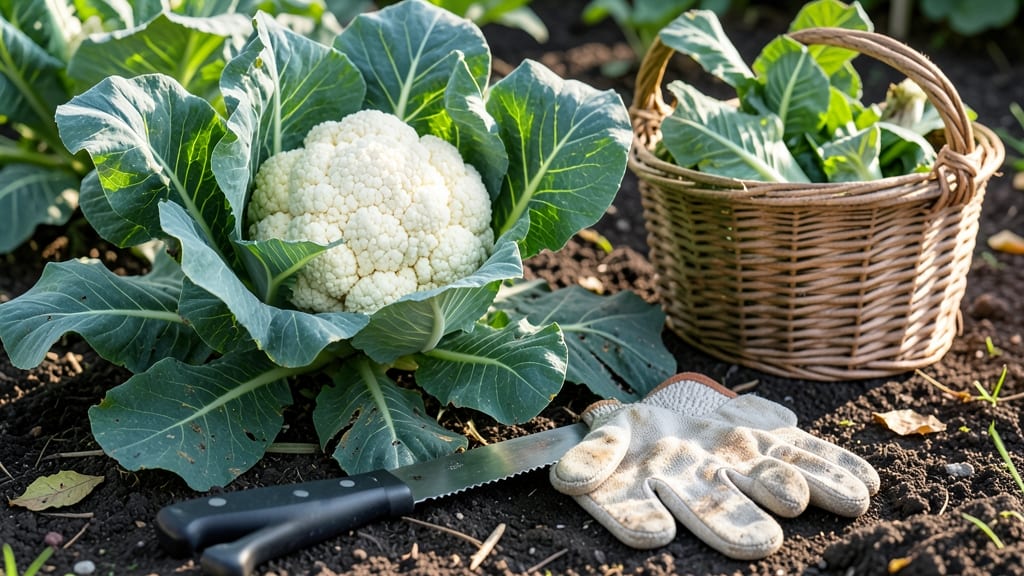
Cauliflower is ready to be picked when its curds feel firm and tightly packed, like tennis balls, with leaves beginning to yellow around the head 🥬 — and missing this window means sacrificing flavor for bitterness.
Picture this: you’ve nurtured your cauliflower for months, only to pull a loose, overgrown head that tastes like disappointment. The secret? Harvesting at the perfect moment—when the curds are dense, the color is vibrant, and the stem is sturdy enough to support the weight.
Most varieties reach peak ripeness between 70 and 100 days after transplanting, but timing depends on your climate and the specific type. Purple or orange cauliflower? They follow the same rules, just with a different color cue.
Below, I’ll walk you through the exact signs to watch for, what happens if you wait too long (or pick too soon), and how to harvest without damaging the plant—so you end up with a head that’s crisp, flavorful, and ready for the table.


How to identify perfectly ripe cauliflower curds (key signs to watch)
Harvesting cauliflower at the right time ensures you get the best flavor and texture. The key is knowing when those tight curds reach peak ripeness—before they turn yellow or bitter.
I’ve learned that visual and tactile cues make all the difference, and missing them can mean wasted effort or tough, stringy heads.
One of the first signs to watch for is the size of the curd. A perfectly ripe cauliflower head should feel heavy for its size, like a well-inflated balloon. If it’s still small or light, it needs more time.
But if it’s too large—think bigger than a softball or tennis ball—it might be past its prime. I’ve found that 6-8 inch diameters are ideal for most varieties.
Here’s a quick reference to help you spot the perfect moment:
| Sign | Description | Action |
|---|---|---|
| Curd Firmness | Tight, dense, and firm to touch (like a tennis ball) | Harvest immediately |
| Head Size | 6-8 inches in diameter (varies by variety) | Check for yellowing leaves |
| Leaf Wrapping | Outer leaves start yellowing and curling inward | Protect from sun exposure |
| Color | White, purple, or orange (depends on variety) | Avoid if browning occurs |
| Stem Thickness | Sturdy and thick (easily supports the head) | Use sharp shears to cut |
Don’t overlook the color of the leaves surrounding the head. When they start turning yellow or brown, it’s a clear signal that the curd is ready. This happens because the plant is redirecting nutrients to the head.
If the leaves stay bright green, the curd likely needs more time. I once missed this cue and ended up with a head that was too woody—a mistake I won’t repeat!
The tennis ball test is a foolproof trick I learned from my grandfather. Hold the cauliflower head in your hand—if it feels as dense and heavy as a tennis ball of the same size, it’s ready.
If it’s lighter or spongy, wait a few more days. This tactile check saves me from guessing and ensures I never pick too early or too late.
Another common mistake is ignoring the variety-specific color. Some cauliflowers stay white, while others turn purple, orange, or green. For example, Romanesco has a striking fractal pattern, while Purple Sprouting develops deep hues. Always check your seed packet for the expected color to avoid confusion.
Timing is everything when it comes to harvesting tools. Use a sharp knife or shears to cut the stem about 1 inch below the head. This prevents damage to the plant and encourages secondary harvests if your variety produces multiple heads.
I always keep my tools clean to avoid spreading disease between plants.
Finally, watch the weather forecast before harvesting. If rain is expected, pick your cauliflower a day early to avoid waterlogged curds, which can lead to rot.
Store harvested heads in a cool, dark place (like a root cellar) to extend freshness. With these tips, you’ll never miss the perfect moment again!
What happens if you pick cauliflower too early or too late (and how to fix it)
Timing is everything when it comes to harvesting cauliflower. Picking too early means you’ll end up with small, underdeveloped heads that lack flavor and texture. Meanwhile, waiting too long turns your perfect curds into loose, bitter, and tough disappointment—often attracting pests like cabbage moths in the process.
Even experienced gardeners sometimes struggle with this balance. The key is understanding the visual and tactile cues that signal readiness, as well as recognizing the warning signs of overmaturity. Let’s break down what happens when you miss the window—and how to salvage your harvest if you do.
If your cauliflower heads start splitting open, turning yellow or brown, or developing a strong bitter taste, it’s past its prime. These overripe heads attract pests like cabbage worms and lose their tender texture entirely. The good news? Some varieties (like Romanesco) can still be salvaged for cooking—but their flavor won’t be the same.
Pro Tip: Check heads every 2-3 days once they reach tennis-ball size (about 6-8 inches wide). Use your thumb to press gently—if the curds feel firm like a tennis ball, it’s ready!
When you harvest cauliflower too early, the heads remain small and loose, with curds that don’t pack together tightly. This often happens if you’re impatient and check too soon—especially with fast-maturing varieties like Snowball or Purple of Sicily.
The result? A head that’s underdeveloped and stringy, lacking the creamy texture we all love.
For overgrown cauliflower, the damage is even worse. The head may split apart, exposing the core to pests and disease. The curds become woody and bitter, and the leaves around the head often yellow and wilt.
In extreme cases, the entire plant can bolt (go to seed), especially in hot weather, leaving you with inedible florets.
Don’t despair if you’ve missed the perfect window! Some overmature cauliflower can still be used—just trim away the tough outer leaves and any discolored curds. The inner florets might still be edible and flavorful, though they’ll be firmer.
For underripe heads, wait another 3-5 days and recheck. If the head isn’t growing, it may be struggling due to poor soil or pests.
To avoid these mistakes, monitor your plants daily once the heads form. Use a sharp knife or pruners to cut the stem about 1 inch below the head, leaving the outer leaves intact to protect new growth.
If your plant produces secondary heads (common in varieties like Romanesco), you can often harvest these smaller side shoots for salads or stir-fries.
Remember: Cauliflower is a finicky crop, but with the right timing, you’ll enjoy crisp, flavorful heads that outshine store-bought every time. Keep an eye on those curds—and don’t let them turn into a pest buffet! 🥬