
Flowers
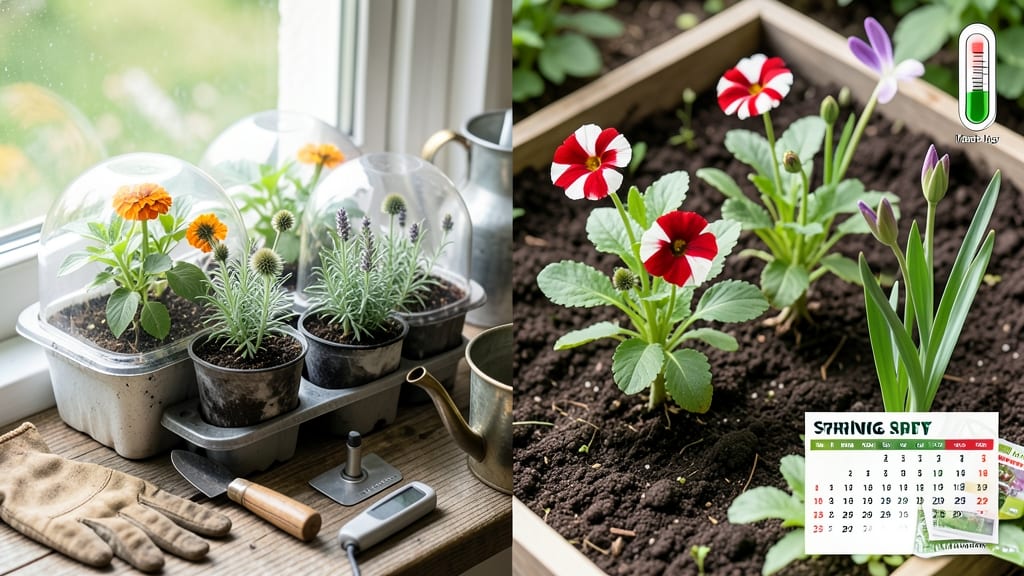
When is the best time to start planting flowers in your garden? The answer makes all the difference between a vibrant display of color and a season of disappointment. Timing your flower planting perfectly can mean the difference between a stunning garden and one that struggles to take root—but with so many climate zones and flower types, when exactly should you begin?
In USDA Zone 6a, like many temperate regions, the ideal window opens in spring (March–May) or fall (August–October), but the exact dates shift depending on whether you’re planting annuals, perennials, or bulbs.
Below, I’ll break down the best planting months for your flowers, how to adjust for early frost or late heat, and even a few pro tips to extend your bloom season—so you can enjoy peak color all year.


Climate-Zone planting calendar: when to start flowers by USDA hardiness Zone
Getting your flowers in the ground at the right time ensures vibrant blooms and healthy plants. But with USDA zones 3-11 offering wildly different climates, one planting schedule doesn't fit all. Let's break down the ideal windows for annuals, perennials, and bulbs across the country's diverse growing regions.
Your local last frost date and first frost date are your best guides. For example, Zone 3 gardeners face a 140-day growing season, while Zone 10 enjoys year-round warmth. Even within zones, microclimates matter—valleys warm faster than hillsides, and urban areas can be 5°F warmer than rural spots.
Here's your zone-by-zone planting calendar for flowers, including adjustments for cool-season vs warm-season varieties and bulb-specific timelines that often buck the rules.
| USDA Zone | Last Frost | Annuals (Direct Sow) | Perennials | Bulbs (Plant) | Notes |
|---|---|---|---|---|---|
| 3-4 | May 1-15 | May 15-Jun 1 | Early spring or fall | Sep 1-Oct 15 | Use row covers for tender varieties |
| 5-6 | Apr 15-May 1 | Apr 20-May 15 | Late spring | Sep 15-Oct 30 | Cold-hardy varieties like tulips thrive |
| 7-8 | Mar 1-Apr 15 | Mar 15-Apr 30 | Early spring or fall | Sep 1-Nov 1 | Fall planting extends spring blooms |
| 9-10 | Jan 15-Feb 15 | Jan 1-Mar 15 | Year-round | Sep 1-Nov 30 | Tropical varieties like cannas thrive |
| 11 | None | Year-round | Year-round | Year-round | Succession plant for continuous blooms |
For annual flowers like marigolds or zinnias, most gardeners aim to plant 2-4 weeks after the last frost. But in warmer zones (7-11), you can start cool-season annuals like pansies in fall for winter blooms.
Always check seed packets—they often include days-to-germination info to help you time starts indoors.
Perennials deserve special attention. Many, like daylilies and coneflowers, establish best in early spring when soil is workable but not waterlogged. Others, such as black-eyed Susans, tolerate fall planting and may even bloom the following spring. Divide established perennials in early spring or fall for maximum vigor.
Bulbs often follow their own schedule. Most spring-blooming bulbs (tulips, daffodils) need 6-8 weeks of cold before planting, which is why they go in fall. But summer-blooming bulbs like dahlias should wait until after your last frost. Pro tip: Plant bulbs 3x as deep as they are wide for best results.
Regional adjustments matter. In Zone 3, extend your season with cold frames or row covers to protect tender plants. In Zone 10, shade cloth helps prevent heat stress during summer planting. Always monitor your local soil temperature—most flowers prefer 60°F+ soil to germinate properly.
Don't forget succession planting for continuous blooms. In cooler zones, stagger annual plantings every 2-3 weeks from spring through summer. In warm zones, plant heat-tolerant varieties like sunflowers and cosmos in early spring and late summer to avoid peak
Best flowers to plant by season: cool vs warm weather varieties
Choosing the right flowers for each season ensures vibrant blooms year-round, but not all flowers thrive in every climate. Cool-season flowers like pansies and snapdragons love 50-65°F temperatures, while warm-season varieties such as zinnias and marigolds crave 70-85°F.
Planting at the wrong time can stunt growth or prevent blooming entirely—so let’s match your flowers to the season!
Spring is prime time for perennials and bulbs like daffodils and tulips, which emerge as soil warms to 50°F or above. Meanwhile, summer thrives with heat-loving annuals like sunflowers and cosmos, which need consistent warmth to flourish.
Fall offers a second chance for cool-loving flowers, while winter-hardy varieties like hellebores brave the chill.
- 🌱 Spring (March-May): Plant cool-season flowers like pansies, sweet peas, and hardy perennials (e.g., lavender, coneflowers) after the last frost when soil reaches 50°F.
- ☀️ Summer (June-August): Sow heat-tolerant annuals like zinnias, marigolds, and sunflowers once nighttime temps stay above 60°F.
- 🍂 Fall (September-November): Plant cool-season bulbs (e.g., crocuses, daffodils) and winter pansies 4-6 weeks before the first frost for early spring blooms.
- ❄️ Winter (December-February): Focus on evergreens and winter-hardy flowers like hellebores and snowdrops, which thrive in 30-50°F.
For spring planting, prioritize early bloomers like crocuses and hyacinths, which tolerate light frosts. These bulbs should go in the ground 6-8 weeks before your last frost date—typically by late fall or early winter in most zones.
In summer, fast-growing annuals like cosmos and bachelor’s buttons self-seed easily, making them low-maintenance choices.
Fall is your secret weapon for next-year blooms. Plant spring-blooming bulbs like tulips and alliums in cool, moist soil when daytime temps drop below 70°F. Even in winter, evergreen flowers like winter jasmine and camellias add color to frost-kissed gardens, requiring minimal care beyond occasional watering.
Pro tip: Use seasonal succession planting to keep your garden in bloom. For example, swap out spring pansies with summer geraniums and then transition to fall mums for continuous color. Always check your local frost dates—they’re your garden’s best friend!
Don’t let temperature swings derail your plans. If early frost threatens, opt for heat-tolerant varieties like portulaca or use row covers to protect tender seedlings. With the right timing, your garden will burst with color season after season.