
Companion Plants
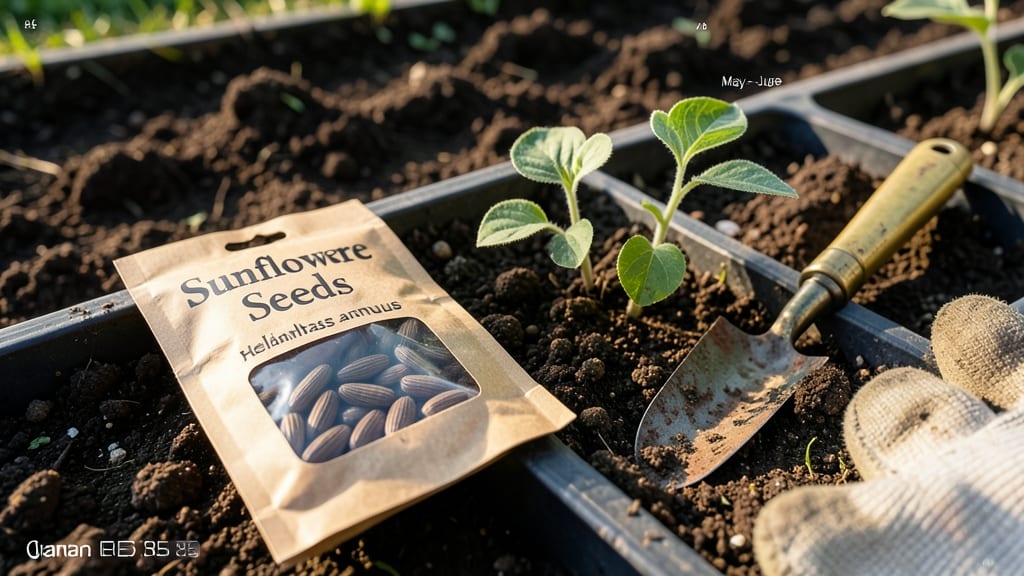
Planting sunflower seeds in Ohio after the last frost — typically around April 15 — ensures they thrive in your USDA Zone 6a garden.
Sunflowers bring vibrant color and wildlife to your Ohio garden—but planting them too early or late can mean the difference between towering blooms and wilted disappointment. Timing matters, and Ohio’s diverse USDA zones (5-7) add another layer of complexity.
Soil temperatures below 50°F can stall germination, while late plantings risk stunted growth before the first frost in October. The key is balancing your zone’s frost dates with the 60-120 days sunflowers need to mature.
Below, I’ll break down the exact planting windows for Ohio’s zones, soil prep tips, and how to adjust for your garden’s microclimate—so you can grow sunflowers that reach their full potential.
Ohio sunflower planting calendar by USDA Zone (5-7)
Ohio’s USDA Zones 5-7 create unique planting challenges for sunflowers, where first frost dates can vary by 2-3 weeks between northern and southern regions. In Zone 5, you’ll need to wait until mid-May for safe planting, while Zone 7 gardeners can start as early as late April.
The key is aligning your planting with soil temperatures above 55°F and frost-free windows that allow sunflowers to mature before fall frosts hit in October.
Sunflowers thrive in Ohio’s long summer days, but their maturity timelines (ranging from 50-120 days) mean you must choose varieties that fit your local growing season.
For example, a 60-day variety planted in late May in Zone 5 might not reach maturity before frost, while the same variety in Zone 7 could produce abundant blooms by August.
Let’s break down the optimal planting windows for each zone to ensure your sunflowers reach their full 3-14 foot potential.
⚠️ CRITICAL NOTE: Ohio’s unpredictable spring weather can delay planting. Always have backup seeds ready for late starts, and consider heat-tolerant varieties like 'Autumn Beauty' or 'Moulin Rouge', which handle Ohio’s humid summers better than standard types.
| USDA Zone | Last Frost Date | Ideal Planting Window | Soil Temp Requirement | First Frost Risk | Maturity Timeline |
|---|---|---|---|---|---|
| Zone 5 | April 15-May 1 | May 15-June 15 | 55°F+ (13°C+) | October 15-20 | 60-90 days (choose early varieties) |
| Zone 6 | April 1-May 1 | April 30-May 31 | 55°F+ (13°C+) | October 1-10 | 50-100 days (flexible variety selection) |
| Zone 7 | March 20-April 15 | April 15-June 1 | 50°F+ (10°C+) | October 20-November 1 | 50-120 days (longer season options) |
🌱 Pro Tip: Use black plastic mulch to warm soil faster in Zone 5 and extend your planting window by 1-2 weeks.
In Zone 5, where first frosts arrive as early as October 15, prioritize early-maturing varieties like 'Teddy Bear' (50 days) or 'ProCut' (55 days).
These dwarf sunflowers (2-4 feet tall) are perfect for container gardens or small spaces and can be planted as late as June 1 in northern Ohio. For taller varieties (6-14 feet), aim for a May 15 planting date to ensure they reach maturity before frost.
Zone 6 gardeners enjoy a longer growing season (about 180 frost-free days), giving you flexibility to plant two crops: an early batch in late April and a late batch in early June.
This works well for successive planting of different varieties, like 'Mammoth Russian' (120 days) for late summer blooms and 'Sunspot' (60 days) for early color. Always monitor soil moisture—Ohio’s summer heat can dry soil quickly, especially in sandy soils common in western Ohio.
For Zone 7, where first frosts often arrive after October 20, you can push the envelope with late-season varieties like 'Autumn Beauty' (100 days) or 'Russian Giant' (120 days). Plant
How to adjust sunflower planting for Ohio’s microclimates
Ohio’s diverse landscapes—from urban sidewalks to rural fields—create unique growing conditions that can challenge even the hardiest sunflowers. Microclimates like city heat islands, high-altitude valleys, and sheltered farmland all demand different planting strategies.
I’ve grown sunflowers in Columbus’ urban heat and Appalachian foothills, and the timing adjustments make all the difference between 10-foot giants and stunted plants.
Container gardening adds another layer of complexity, especially in high-rise apartments or balconies. Sunflowers thrive in pots but need faster watering schedules and heat protection during Ohio’s summer heatwaves.
Whether you’re a city dweller or rural farmer, these adjustments will help you maximize your sunflower’s potential in Ohio’s short growing season.
🌻 Key Adjustments for Ohio’s Microclimates
- 🏙️ Urban Areas: Plant 2-3 weeks later (after May 15) to avoid heat stress from pavement. Use black containers for faster soil warming.
- 🌄 High-Altitude (6000+ ft): Start seeds indoors 4-6 weeks early—cooler temps delay germination. Choose early-maturing varieties (50-60 days).
- 🚜 Rural/Farmland: Direct-sow April 15-May 1 for full-season growth. Mulch heavily to retain moisture during Ohio’s dry spells.
- 🪴 Containers: Plant 1 inch deeper than ground planting (2 inches deep) and water daily until established. Move pots to shade cloth during 90°F+ days.
- 🌡️ Heatwave Prep: Pre-soak seeds 4-6 hours before planting in July-August to combat dry soil. Use lightweight mulch (straw) to cool roots.
For urban gardeners, timing is everything. City microclimates can be 5-10°F warmer than rural areas, so I always wait until after May 15 to plant. This gives young seedlings time to establish roots before July heatwaves hit.
A trick I learned? Use black plastic pots—they absorb heat and warm the soil faster, which is crucial for slow-starting sunflower seeds in cooler urban mornings.
If you’re gardening in high-altitude areas like the Appalachian foothills, start seeds indoors 4-6 weeks early. Ohio’s USDA Zone 6 can have late frosts even into May, and cooler temps delay germination.
I recommend early-maturing varieties like ‘Autumn Beauty’ (50-60 days to maturity) to ensure they reach full height before first frost in October.
Rural gardeners have more flexibility but should still plan for Ohio’s unpredictable weather. Direct-sow seeds April 15-May 1 for a full-season harvest, but be ready to mulch heavily to retain moisture during dry spells.
I’ve found that straw mulch works best—it keeps soil cool and reduces watering needs by up to 30%.
Container gardening is my go-to for balconies and patios, but sunflowers need extra care. Plant seeds 1 inch deeper than you would in the ground (2 inches total) to stabilize them in pots.
Water daily until seedlings sprout, then transition to every other day. During heatwaves, move pots to a shaded area or cover them with lightweight shade cloth to prevent wilting.
Finally, Ohio’s summer heatwaves can stress sunflowers, especially in July and August. To prepare, pre-soak seeds 4-6 hours before planting to give them a hydration boost. Use lightweight mulch like straw to insulate roots and reduce water evaporation.
If you’re planting late in the season, choose heat-tolerant varieties like ‘ProCut’—they handle 90°F+ temps better than standard types.