
Flowers
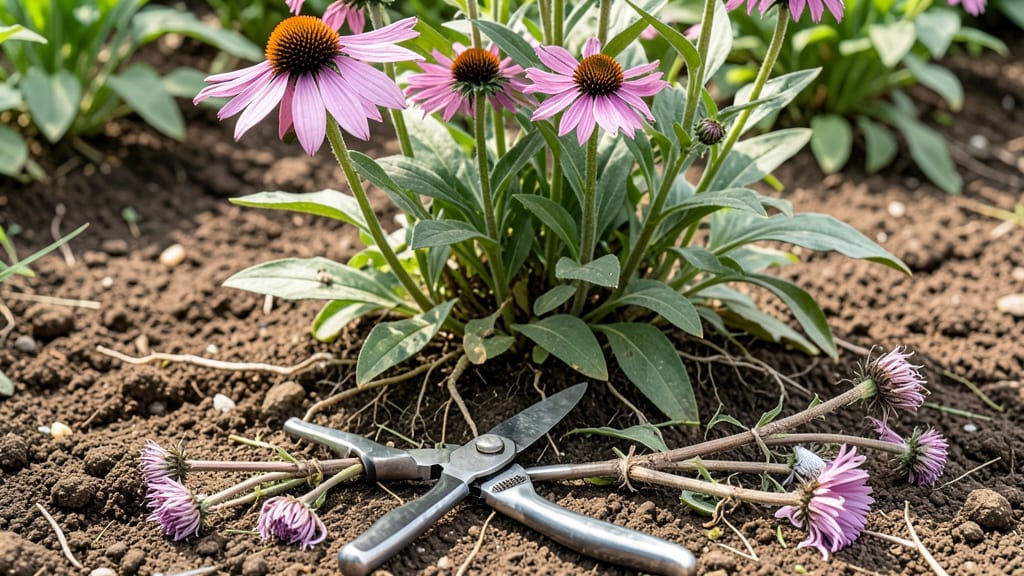
Cutting back coneflowers at the right time ensures bold blooms next season and keeps your 🌼 garden thriving.
If you’ve ever stared at a winter garden wondering whether to trim those dried stems or wait, you’re not alone. The answer isn’t just about timing—it’s about giving your coneflowers the best shot at a healthy comeback.
Late winter is the ideal window, but the exact moment depends on your climate and the plant’s signals.
In Zone 6a, where many gardeners grow coneflowers, the goal is to cut back after the last frost but before new growth appears. This balance prevents disease while encouraging fresh, vibrant stems for summer’s showstopper blooms.
Too early, and you risk exposing the plant to cold; too late, and you might stunt its growth.
Below, I’ll walk you through the step-by-step process, including when to trim in colder vs. milder regions, how to handle those stubborn stems, and why this small task makes a big difference in your garden’s future.
The perfect late winter timeline for cutting back coneflowers
Late winter is the ideal time to cut back coneflowers (Echinacea) because it allows the plant to focus energy on new root growth before spring. Cutting too early can leave them vulnerable to late-season pests, while waiting too long risks weakening the plant before blooming season.
The key is timing it just before new shoots appear—typically February to early March in most climates.
Contrary to popular belief, you shouldn’t cut coneflowers down to the ground in late winter. Instead, trim them back to 4-6 inches above the soil to protect the crown from frost while still allowing sunlight to reach next year’s growth.
This balanced approach reduces disease risk and encourages stronger stems for summer blooms.
In cold climates (Zones 3-5), wait until after the last hard frost but before new growth emerges. This usually falls in late February to early March. The goal is to remove dead foliage while leaving enough protection for the crown.
In milder climates (Zones 9-10), you can cut back as early as January, as frost is less of a concern.
One common mistake is cutting too aggressively in late winter. Over-trimming can expose the crown to frost damage or even kill the plant. Always leave at least 2-4 inches of stem above the soil to insulate the crown. This small adjustment makes a huge difference in spring recovery.
After cutting back, remove all debris from the garden bed to prevent fungal diseases like powdery mildew. Coneflowers are hardy, but damp, old stems create the perfect environment for pathogens. Dispose of clippings in the trash—not the compost—since diseases can persist in compost piles.
If you miss the late winter window, don’t panic. You can still cut back in early spring (March-April), but the plant may take longer to recover.
The earlier you prune, the more time the roots have to establish before summer heat arrives. Spring pruning is better than no pruning at all!
For reblooming varieties, like ‘White Swan’ or ‘Hot Papaya,’ late winter pruning encourages a second flush of blooms in late summer. These varieties benefit from the extra energy directed toward root growth, resulting in longer vase life and more abundant flowers.
Pro tip: Mark your calendar for February 15th as a general guideline. Adjust based on your local frost dates and whether new shoots are visible. A quick check of the soil—if it’s still frozen or thawing slowly, wait a few more weeks.
Once you’ve cut back your coneflowers, add a 2-inch layer of mulch around the base. This helps regulate soil temperature and retains moisture for early spring growth. Use organic mulch like shredded bark or straw for best results. Mulching now sets the stage for a healthier, more vibrant blooming season.
Step-by-step guide: how to cut back coneflowers properly
Cutting back coneflowers at the right time ensures stronger blooms next season while preventing disease. The key is timing—late winter, just as new growth begins, is ideal. This step-by-step guide will walk you through the process, from gathering tools to post-pruning care, so your Echinacea thrives for years to come.
Before you start, gather your supplies: sharp pruning shears, gloves, and a clean bucket or bag for cuttings. Avoid dull tools, as they can damage stems and invite pests. Work on a dry day when temperatures are above freezing to reduce stress on the plant.
Pro tip: Disinfect your shears with rubbing alcohol to prevent spreading disease between plants.
-
Step 1: Wait for the Right Time
Trim coneflowers in late winter (February-March in most zones) or early spring, just as new shoots emerge. Avoid cutting back in fall or early winter, as this can harm the plant’s dormant crown.
-
Step 2: Cut Back to the Crown
Use clean shears to cut stems 1-2 inches above the crown (the base of the plant). Never cut all the way to the ground, as this can expose the crown to rot or frost damage.
-
Step 3: Remove Deadheading Debris
Collect and dispose of cuttings immediately to prevent fungal spores or pests from lingering. Place them in a sealed bag or compost bin—avoid leaving them on the soil surface.
-
Step 4: Apply Mulch
Spread a 2-inch layer of mulch around the base (but not touching the crown) to insulate roots and retain moisture. Use shredded bark or straw for best results.
-
Step 5: Monitor for New Growth
Within 2-4 weeks, you should see fresh green shoots emerging. If growth stalls, check for signs of overwatering or disease, and adjust care accordingly.
After pruning, resist the urge to fertilize immediately—your coneflowers need time to recover. Wait until early spring, when new leaves appear, to apply a balanced fertilizer (like 5-10-10) to support robust growth. This timing ensures nutrients are used efficiently for new foliage and blooms.
Regional adjustments matter! In warmer climates (zones 8-10), you can prune as early as January. In colder zones (3-6), wait until March or after the last frost date. Always prioritize dormant season timing to avoid stressing the plant.
With proper pruning, your coneflowers will reward you with vibrant blooms from midsummer through fall. The key is patience—let the plant recover fully before expecting next year’s showstopping display. Happy pruning! 🌼✂️