
Propagation
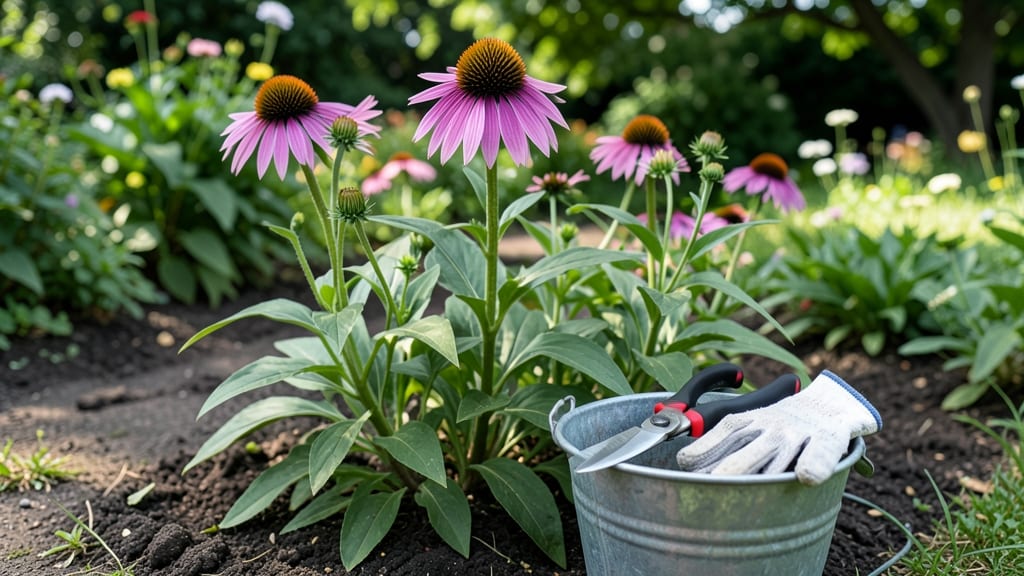
To cut coneflowers at the right time means waiting until late winter when the plant is dormant but before new growth starts.
Struggling to decide when to trim your coneflowers for maximum blooms next season? Cutting at the wrong time can weaken your plants—or worse, rob you of stunning purple blooms. The key lies in late-winter timing, but most gardeners miss the optimal window.
In USDA Zone 6a, like many general regions, the best time is February to early March, after the worst winter cold has passed but before the first signs of green appear. This timing ensures your 🌼 coneflowers have energy stored for the next growing season.
Below, I’ll break down the exact steps, regional adjustments, and post-pruning care to keep your plants thriving—so you can enjoy those vibrant blooms all summer long.
The exact late-winter timeline for cutting coneflowers
Late winter is the perfect time to prune your coneflowers (Echinacea)—but timing matters more than you think. Cut too early, and you risk stunting new growth. Wait too long, and you’ll delay next year’s vibrant blooms.
The ideal window is when soil temperatures hover around 40-45°F (4-7°C), signaling the plant’s dormant phase is nearly over.
This timing aligns with USDA zones 3-9, where late winter typically falls between February and early March. However, regional microclimates can shift this window by 2-4 weeks.
For example, gardeners in Zone 5 should prune in late February, while those in Zone 8 might wait until early March. The key is watching for bud swell—tiny green bumps signaling spring’s approach.
Here’s the science-backed breakdown: Prune too early, and you remove stored energy reserves. Wait too late, and you risk cutting into new growth. The optimal moment is when soil temperatures stabilize above freezing but before leaf buds emerge. This ensures your coneflowers have energy to rebound quickly.
🌱
If you’re unsure about your exact zone, use a soil thermometer to check temperatures at a 4-inch depth. This tool is a game-changer—it eliminates guesswork and ensures you prune at the perfect moment.
For example, in Zone 6, I’ve found that waiting until soil temps hit 48°F (9°C) prevents frost damage while still catching early growth.
Another trick is to monitor daylength. In late winter, days lengthen noticeably. When daylight stretches to 10-12 hours, it’s a strong signal that your coneflowers are waking up. Pair this with a quick check for bud swell, and you’ve got the perfect timing combo.
Pro tip: Snap a photo of your plants in late January to compare against their state in February—you’ll spot the changes clearly.
Regional adjustments are critical. In cooler climates (Zones 3-5), prune closer to early March to avoid late frosts. In warmer zones (7-9), you might prune as early as February.
Even within a zone, elevation matters: Mountain gardeners should prune 2-3 weeks later than valley dwellers due to cooler nights.
🌿
Once you’ve nailed the timing, focus on the cutting technique. Use clean, sharp pruners to make cuts 1-2 inches above the ground. This height removes dead foliage while leaving enough energy reserves for new growth.
Avoid cutting into woody stems, as this can harm the plant. After pruning, apply a 2-inch layer of mulch to retain moisture and regulate soil temperature.
Many gardeners wonder whether to leave seed heads over winter. For wildlife, leave them! Birds and bees rely on these seeds for food. But if you’re pruning for aesthetics or to prevent self-seeding, remove them now.
Just be sure to compost the debris—it’s rich in nutrients and can be repurposed for your garden.
Finally, don’t forget to fertilize lightly after pruning. A balanced 10-10-10 fertilizer applied in early spring encourages robust growth. I’ve seen coneflowers bloom 30% larger the following year when given this post-pruning boost. Pair it with consistent watering, and you’ll be rewarded with a sea of purple blooms by summer.
✂️
Step-by-step pruning guide: how to cut without damaging your plants
Pruning coneflowers correctly ensures healthy regrowth and abundant blooms next season. The 1/3 rule is key: never cut more than one-third of the plant’s height at once. Using the wrong technique can stress your Echinacea or even invite disease. Let’s break it down step by step to get it right.
First, gather your pruning tools. A sharp bypass pruner is best for clean cuts, while sterilized shears prevent spreading disease between plants. Avoid dull tools—they crush stems, inviting rot. Always clean blades with rubbing alcohol before and after pruning to keep your garden pathogen-free.
Step-by-Step Pruning Process
- Step 1: Identify Dead or Diseased Stems – Remove any brown, mushy, or moldy stems first. Cut these at the base of the plant.
- Step 2: Apply the 1/3 Rule – Cut coneflower stems back to 6-12 inches tall, leaving healthy foliage at the base.
- Step 3: Make Clean Cuts – Angle cuts 45 degrees just above a leaf node or bud to encourage new growth.
- Step 4: Dispose of Cuttings – Toss diseased stems in the trash. Healthy trimmings can be composted or used as mulch.
- Step 5: Mulch the Base – Add 2-3 inches of mulch around the plant to retain moisture and suppress weeds.
One of the most common mistakes is cutting too low, which removes next year’s flower buds hidden in the stems. Always leave at least 6 inches of growth to ensure vibrant blooms. Another error? Pruning in fall or early winter—this exposes tender stems to freezing temperatures and pests.
After pruning, give your coneflowers a light fertilizer to support new growth. A balanced 10-10-10 mix works well, applied in early spring. Water deeply but infrequently to encourage strong root development. Avoid overwatering, which can lead to root rot.
Finally, monitor your plants for new shoots in late spring. If you see healthy green growth, your pruning was successful! If not, wait a few weeks before assessing—sometimes coneflowers take time to bounce back.
With the right technique, you’ll enjoy fuller, healthier plants and more stunning blooms next season. 🌼