
Flowers
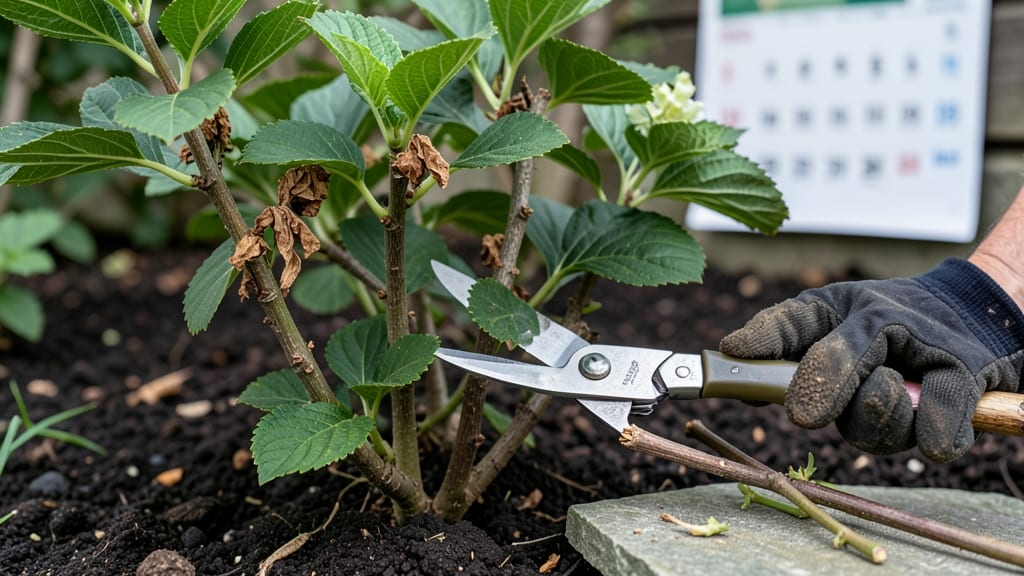
Cutting hydrangea flowers at the wrong time can mean losing next year’s blooms entirely — or worse, harming your plant’s health.
You’ve spent months admiring your 🌸 hydrangeas, and now you’re staring at those spent blooms, wondering: Do I cut them now? The answer isn’t one-size-fits-all.
Some varieties bloom on old wood, while others thrive on new growth, and pruning at the wrong time can turn your lush shrub into a bare stick.
Here’s the best timing for cutting hydrangeas by type, plus what to do after pruning to keep your plant happy and blooming for years. Whether you’re dealing with mopheads, panicles, or oakleaf varieties, we’ve got you covered.
From late summer to early spring, discover the exact moments to trim—and what to avoid—to ensure your hydrangeas stay vibrant and full of life.
Best pruning times for hydrangea flowers by type (old vs new wood)
Hydrangeas are stunning shrubs that reward careful pruning with bigger, healthier blooms—but timing is everything. The key difference lies in whether your hydrangea blooms on old wood (last year’s growth) or new wood (current year’s growth).
Cut at the wrong time, and you could end up with no flowers next season or even damage your plant.
For example, mophead hydrangeas (like 'Endless Summer') bloom on new wood, so late winter pruning works perfectly. But oakleaf hydrangeas bloom on old wood, meaning you should prune right after flowering to avoid cutting off next year’s buds.
Let’s break down the exact timing for each type to keep your hydrangeas thriving.
Pro Tip: Always use clean, sharp pruners and disinfect them with rubbing alcohol to prevent disease spread. Wear gloves to protect your hands from hydrangea sap, which can irritate skin.
| Hydrangea Type | Blooms On | Best Pruning Time | What to Cut | Notes |
|---|---|---|---|---|
| Mophead (e.g., 'Endless Summer') | New wood | Late winter/early spring (Feb-Mar) | Dead/diseased wood + 1/3 of oldest stems | Reblooms on new growth |
| Oakleaf (e.g., 'Oakleaf Hydrangea') | Old wood | Immediately after flowering (late summer) | Only dead/diseased wood | Never cut back healthy stems |
| Panicle (e.g., 'Limelight') | New wood | Late winter/early spring (Feb-Mar) | 1/3 of oldest stems + dead wood | Tolerates hard pruning |
| Smooth (e.g., 'Annabelle') | New wood | Late winter/early spring (Feb-Mar) | Dead wood + 1/3 of oldest stems | Reblooms on new growth |
If you’re unsure which type you have, check your hydrangea’s flowering pattern. Did it bloom in early summer and then again in fall? That’s a reblooming type (new wood), like 'Endless Summer'. Bloomed only once in mid-summer? It’s likely an old wood type, like oakleaf hydrangeas.
For reblooming hydrangeas, prune in late winter or early spring (February or March) to encourage new growth that will produce flowers. This is also when you should prune panicle and smooth hydrangeas, as they bloom on current year’s stems.
Cut back 1/3 of the oldest stems to the base and remove any dead or crossing branches.
For old wood bloomers, like oakleaf hydrangeas, wait until after flowering—typically late summer or early fall. Prune only to remove dead or damaged branches and shape the plant. Never cut back healthy stems, as this is where next year’s flower buds form.
After pruning, give your hydrangeas a light fertilizer (like a 10-10-10 blend) to encourage new growth. Water deeply to help the plant recover, especially if you’ve made heavy cuts. Mulch around the base to retain moisture and protect roots during hot or cold snaps.
One common mistake is pruning too late in spring, which can delay new growth. For old wood types, pruning in spring removes next year’s flower buds entirely. Always double-check your hydrangea’s variety and blooming habits before reaching for the pruners!
🌸
Step-by-step pruning guide for each hydrangea variety
Pruning hydrangeas isn’t a one-size-fits-all task—each variety blooms on different wood, meaning the timing and technique must match its growth cycle.
For mophead and bigleaf types, you’ll prune to shape and encourage next year’s blooms, while panicle and smooth hydrangeas need a lighter touch to avoid cutting off new flower buds. Let’s break down the exact steps for each type to keep your hydrangeas thriving.
Before grabbing your pruners and gloves, know that the best time to prune depends on whether your hydrangea blooms on old wood (last year’s growth) or new wood (current year’s growth).
Old-wood bloomers like mophead and oakleaf should be pruned right after flowering, while new-wood bloomers like panicle and smooth hydrangeas can handle a late-winter or early-spring trim. Let’s dive into the step-by-step process for each.
🌿 Step-by-Step Pruning Guide by Hydrangea Type
- 1 Old-Wood Bloomers (Mophead, Oakleaf): Prune immediately after flowering (late summer/early fall). Remove 1/3 of the oldest stems at the base to encourage new growth.
- 2 New-Wood Bloomers (Panicle, Smooth): Prune in late winter or early spring (before buds swell). Cut back 1/2 to 2/3 of the plant to shape, but leave 3-5 strong stems for next year’s blooms.
- 3 Everblooming Hydrangeas (e.g., 'Endless Summer'): Prune lightly in late winter (remove dead stems) and again after first flush of flowers (summer) to encourage reblooming.
- 4 Always remove: Dead, diseased, or crossing stems (regardless of variety) to improve airflow and plant health.
- 5 Sanitize tools with rubbing alcohol between cuts to prevent spreading disease. Use sharp pruners for clean cuts, not ragged tears.
After pruning, give your hydrangeas a deep drink of water to help them recover, especially if you’ve cut back heavily. For old-wood bloomers, apply a balanced fertilizer in early spring to fuel new growth, while new-wood types benefit from a light feeding after pruning.
Mulch around the base to retain moisture and protect roots during the growing season.
Pro tip: Label your hydrangeas if you have multiple varieties in your garden. This ensures you prune at the right time every year—no more guessing whether that pink mophead needs a summer trim or a spring shape-up.
A quick note on a stake saves headaches (and blooms!) down the road.
Remember, pruning hydrangeas is about balance. Over-pruning can leave your plant struggling to rebound, while under-pruning may lead to crowded stems and fewer flowers. Follow these steps, and you’ll enjoy lush, vibrant blooms for years to come. Happy pruning! ✂️