
Flowers
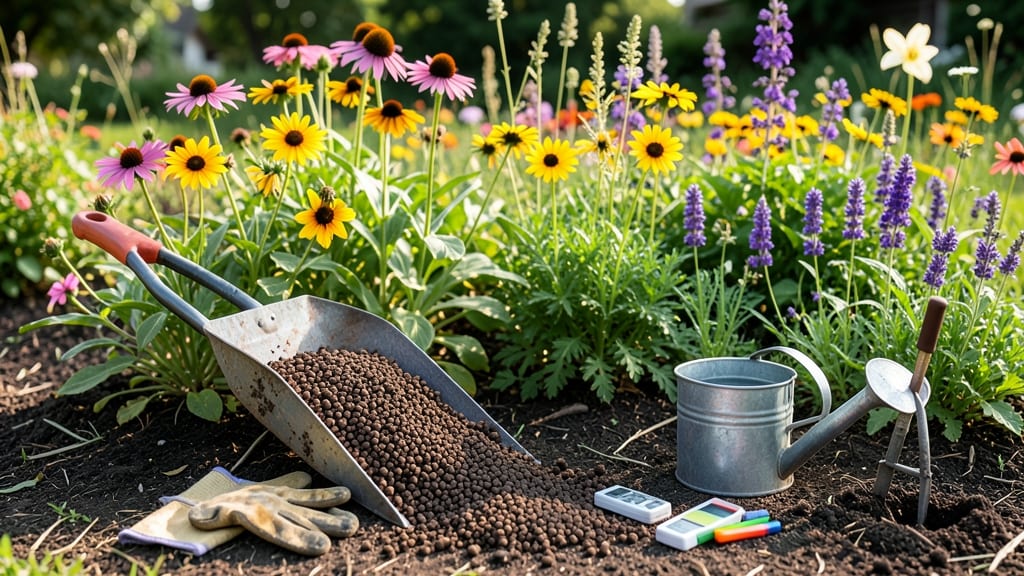
To fertilize flower beds at the right time means feeding them when they’re hungry—not when they’re dormant.
Picture this: You’ve just planted your 🌸 flower beds in March, and the soil looks rich, but without the right timing, your blooms might never reach their full potential.
Too early, and you waste fertilizer; too late, and your plants struggle to thrive. The key is understanding when your flowers need that extra boost—and when they don’t.
Most gardeners focus on spring feeding, but fall is just as critical for setting up next year’s success. Whether you’re in USDA Zone 6a or a warmer climate, the rules change based on your last frost date, plant type, and even the weather.
I’ll break down the exact windows for pre-planting, early growth, and maintenance—plus how to spot over- or under-fertilizing so you never guess again.
By the end, you’ll have a clear schedule tailored to your garden, whether you’re using organic compost or synthetic blends. No more second-guessing—just vibrant blooms all season long.
Spring fertilization schedule for flower beds: jumpstart growth before blooming
Spring is the perfect time to give your flower beds the nutrient boost they need to burst into vibrant blooms. The key is timing—fertilizing too early can waste nutrients, while waiting too long delays growth.
I’ve learned that soil temperature is the real trigger: aim for 50-55°F consistently for 7-10 days before feeding. This ensures roots are active and ready to absorb nutrients.
Most gardeners make the mistake of fertilizing as soon as the ground thaws, but cool soil slows nutrient uptake. Instead, wait until you see new shoots emerging or your local last frost date has passed.
For USDA Zone 6a (like my garden), that’s typically mid-April, but adjust based on your climate.
For a foolproof schedule, I follow three key fertilizing windows in spring: early season (just before blooming), mid-season (when flowers are established), and late season (to prep for summer). The type of fertilizer you choose—organic (like compost or fish emulsion) or synthetic (like 10-10-10)—also changes the timing slightly.
In early spring, I focus on root development with organic matter like compost or well-rotted manure. This mimics nature’s slow-release nutrients and improves soil structure. For synthetic fertilizers, a low-nitrogen option (like 5-10-10) prevents leafy growth at the expense of flowers.
I’ve found that fish emulsion is my go-to for organic gardeners because it’s gentle yet effective.
By mid-spring, when buds appear, switch to a balanced fertilizer (10-10-10) to support both foliage and blooms. This is when I see the most dramatic results—my daylilies and black-eyed Susans respond with lush, vibrant growth.
Water deeply after fertilizing to help nutrients reach the roots. Pro tip: Avoid fertilizing if rain is forecast within 24 hours to prevent runoff.
For late spring, as flowers near their peak, I use a phosphorus-heavy fertilizer (like 5-10-10) to encourage blooming. This is especially critical for annuals like petunias and zinnias, which need consistent feeding.
I’ve learned that over-fertilizing now can lead to weak stems, so I halve the recommended dose and monitor closely for signs of stress, like yellowing leaves.
Regional differences matter! In southern climates (like Zone 8+), start fertilizing as early as February when soil warms. In northern zones (like Zone 4-), wait until late May to avoid frost damage.
I once fertilized my tulips too early in Zone 6a, and the cold snap burned the foliage. Lesson learned: always check your local frost dates
Fall fertilization secrets: why late-season feeding boosts next year’s flowers
Fall fertilization is the secret weapon for gardeners who want bigger blooms and healthier roots next spring. While many skip feeding after summer, late-season nutrients help perennials store energy for winter dormancy. The key window is 6-8 weeks before your first frost, typically September-October in most USDA zones.
This timing aligns with when plants naturally slow growth but still need nutrients to strengthen root systems. A light feeding now prevents nutrient deficiencies that show up as weak stems or poor flowering the following year.
Think of it as preparing your plants for hibernation with a nutrient-rich snack.
⚖️ When to Fertilize Flower Beds in Fall
✅ Do This
- 6-8 weeks before frost - Apply low-nitrogen fertilizer (5-10-10 ratio)
- Early September - Best for cool-season flowers like pansies and asters
- Slow-release options - Granular fertilizers or compost
- Water thoroughly after application
❌ Avoid This
- High-nitrogen feeds - Causes late-season growth vulnerable to frost
- Quick-release fertilizers - Can burn roots before dormancy
- Fertilizing after frost - Wastes nutrients on dormant plants
- Over-applying compost - Can overheat soil in fall
For slow-release fertilizers, look for organic options like bone meal or composted manure. These break down gradually, providing nutrients as plants enter dormancy. Quick-release options like synthetic granules work too, but require precise timing—apply them 4-6 weeks before your first frost date to avoid wasted nutrients.
My go-to fall fertilizer is a 5-10-10 ratio blend applied at half the spring rate. This low-nitrogen approach encourages root development without promoting new top growth. For organic gardeners, fish emulsion or kelp meal work well—they're gentle on roots and packed with trace minerals.
After fertilizing, mulch heavily with 2-3 inches of straw or leaves. This insulates roots while preventing nutrient loss from rain. The mulch also suppresses weeds and regulates soil temperature—critical for winter survival.
I always mark my fall-fertilized beds with garden flags to remember not to feed again until early spring.
Remember: Fall feeding isn't about immediate blooms—it's about setting up next year's success. Plants that get this late-season boost often bloom earlier and produce more flowers the following season. It's one of my top 3 gardening secrets for low-maintenance, high-reward flower beds! 🌷