Plants
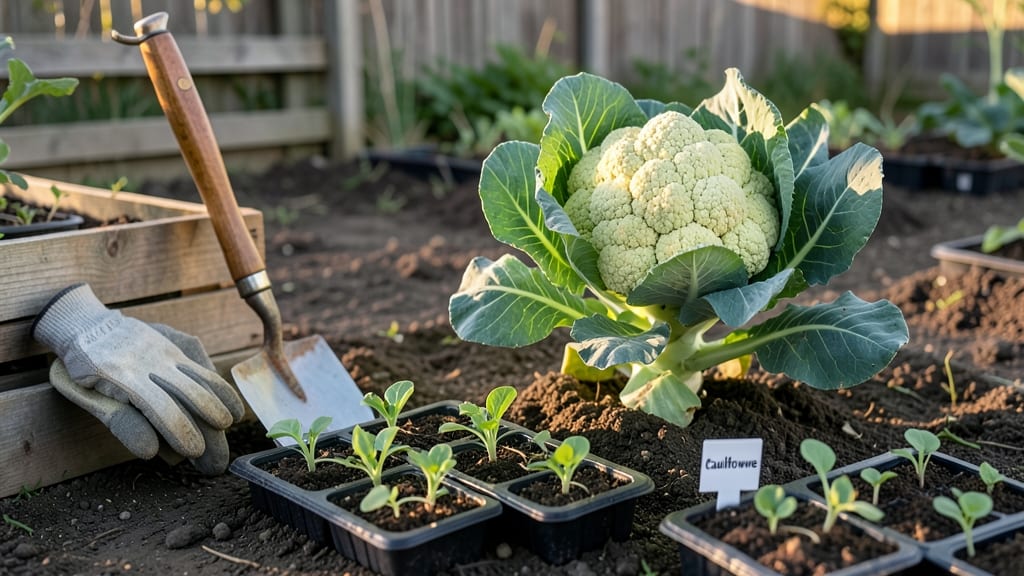
Planting cauliflower at the right time means the difference between a bumper crop of tender curds and a sad, bolted mess 🥬 — and it all hinges on knowing your last frost date.
Timing your cauliflower planting wrong can mean bitter disappointment—wilted seedlings or stunted heads—but get it right, and you’ll harvest plump, flavorful curds straight from your garden. The secret? Knowing your USDA zone’s frost-free window.
In Zone 6a, where many gardeners live, your best shot is March to April for a spring harvest or August to September for a fall crop. But if you’re in a warmer zone, you’ll need to adjust for heat sensitivity—cauliflower hates summer’s swelter.
Below, I’ll break down the exact deadlines by zone, how to tweak for your microclimate, and the best varieties for early or late starts—so you can plan with confidence and avoid the common mistakes that waste your effort.
USDA zone planting deadlines for cauliflower success
Cauliflower thrives in cool weather but bolts—producing bitter seeds—when temperatures rise above 75°F (24°C). Your USDA zone determines the exact planting window, whether you're starting seeds indoors or transplanting seedlings.
In Zones 3-5, you can plant as early as late February, while Zones 8-10 must focus on fall planting to avoid summer heat.
For spring planting, aim to sow seeds or transplant 4-6 weeks before your last frost date. In fall, plant 8-10 weeks before your first frost to ensure heads mature before cold sets in.
Coastal areas often have later frost dates than inland regions, so adjust accordingly—check your local agricultural extension service for precise deadlines.
Heat-sensitive varieties like 'Snowball Y Improved' or 'Purple of Sicily' demand extra care in Zones 6-10. If you live in a hotter zone, opt for fast-maturing varieties (60-70 days) or use shade cloth to protect plants during peak summer months. Fall planting is your best bet in these regions to avoid bolting.
In Zones 3-5, where winters are harsh, start seeds indoors 6-8 weeks before your last frost date. Use grow lights to prevent leggy seedlings, then transplant outdoors once soil temperatures hit 50°F (10°C).
For Zones 6-7, you can direct-sow seeds 2-3 weeks before your last frost, but protect young plants with frost cloth if nights dip below 40°F (4°C).
For fall planting, the goal is to harvest before first frost. In Zones 3-6, plant seeds 8-10 weeks before frost—typically late July to early August. In Zones 7-10, extend your window by planting 6-8 weeks before frost and using mulch to insulate roots.
Coastal areas in Zones 8-10 may have 2-3 weeks later frost dates than inland zones, so adjust accordingly.
If you’re in a transition zone (e.g., Zone 7b), split your planting into two batches: one in early spring and another in mid-summer for a fall harvest. This succession planting strategy maximizes yield and reduces bolting risks. Always monitor soil temperatures—cauliflower prefers 50–70°F (10–21°C) for optimal growth.
Pro tip: Use a planting calendar or app like Gardenate to track your local frost dates and adjust deadlines. For container gardening, plant 1-2 weeks earlier than in-ground beds, as pots warm up faster in spring. Always choose well-draining soil and amend with compost to retain moisture and nutrients.
Remember, bolting is your biggest enemy in warm zones. If your cauliflower starts to send up a flower stalk, it’s too late for a harvest—prevent this by planting at the right time and avoiding stress.
With precise timing, you’ll enjoy homegrown cauliflower from spring to fall, no matter your zone.
How to adjust planting for your local microclimate
Your USDA zone gives you a starting point, but your local microclimate is the fine-tuning tool for cauliflower success. Urban heat islands, high-altitude chill, or coastal fog can shift your planting window by weeks.
For example, Denver’s 10,000-foot elevation means cooler soils that let you plant 2–3 weeks earlier than Phoenix, where summer heat forces fall-only growing.
Even within a single county, a north-facing slope stays cooler than a south-facing one.
That’s why I always adjust my spring planting by testing soil temps with a thermometer—ideal range is 50–70°F—and using row covers to warm cold pockets or shade cloth to protect from afternoon sun in hot zones.
If you’re near the ocean, plant cauliflower 3–4 weeks later than inland areas. Persistent fog keeps soil temps low, delaying germination. Test soil temps daily—wait until they hit 55°F consistently before sowing seeds.
For urban gardens, pavement and buildings create heat islands that can push soil temps 10°F+ warmer than rural areas. I’ve seen cauliflower bolt prematurely in city plots planted at the standard time.
My fix? Use white shade cloth (30%) to reduce heat stress and plant heat-tolerant varieties like ‘Cheddar’ in late summer for fall harvests.
High-altitude gardeners have the opposite challenge: longer growing seasons but cooler nights. I’ve extended my fall harvest by using black plastic mulch to warm soil and low tunnels to trap heat. In Zone 5, this lets me plant a second crop in early August that matures before frost.
Succession planting is your secret weapon for year-round production. In my Zone 7 garden, I stagger plantings every 2 weeks from March to September, using row covers for early starts and shade cloth for late-season protection. This ensures a steady supply of fresh curds without overcrowding.
Before you plant, grab a soil thermometer and check temps at 4-inch depth for 3 days. If it’s below 50°F, delay planting or use heat mats for seedlings. Remember: consistent moisture is key—cauliflower hates drought stress, which leads to bitter, loose heads.