
Flowers
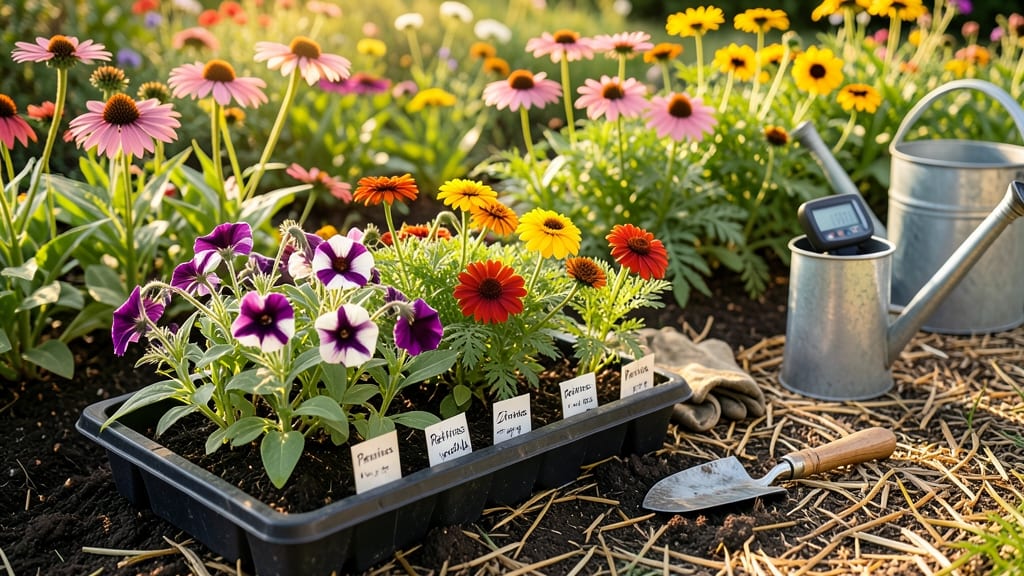
Planting flowers in Kansas at the right time ensures vibrant blooms instead of frost-killed dreams—so timing your spring planting to match your USDA zone is everything.
Picture this: you’ve spent weeks selecting hardy annuals and perennials, only to watch them wilt overnight because you planted too early. Kansas’s USDA Zones 5b-7a have precise frost-free deadlines, and missing them means starting over.
Whether you’re in Topeka, Wichita, or Kansas City, the key is knowing when to plant heat-loving marigolds versus cold-tolerant coneflowers. Below, I break down the exact weeks to start seeds, transplant seedlings, and even stretch your season with row covers.
You’ll leave here with a zone-specific schedule, microclimate tweaks for western Kansas, and the confidence to turn your garden into a summer-long showstopper—no frost casualties allowed.
Kansas frost-free dates by USDA Zone: when to plant annual flowers
Kansas gardeners know timing is everything—especially when it comes to planting annual flowers. The last frost date separates success from failure, and Kansas spans USDA Zones 5b-7a, meaning your Topeka garden has different rules than Wichita or Kansas City.
Missing the window by even a week can leave your marigolds or petunias wilted before they bloom. Let’s break down the frost-free deadlines by zone, so you can plant with confidence.
Based on 10-year climate data, Kansas typically sees its last frost between April 15 and May 1, but this varies wildly by zone.
For example, Zone 5b (northwest Kansas) may not be frost-free until May 10, while Zone 7a (southeast Kansas) often hits its deadline by April 15. These dates also shift 3-7 days earlier in recent years due to climate trends—so don’t rely on old gardening calendars.
| USDA Zone | Last Frost Date (Avg.) | First Frost Date (Avg.) | Heat-Tolerant Varieties | Early Bloomers |
|---|---|---|---|---|
| Zone 5b (Topeka, Hays) | May 10 (±5 days) | October 15 (±5 days) | Zinnias, Lantana, Celosia | Pansies, Violas, Snapdragons |
| Zone 6a (Salina, Manhattan) | April 25 (±4 days) | October 5 (±4 days) | Marigolds, Portulaca, Verbena | Sweet Alyssum, Lobelia, Calendula |
| Zone 6b (Lawrence, Junction City) | April 15 (±3 days) | October 10 (±3 days) | Geraniums, Coleus, Pentas | Stock, Primrose, Iceland Poppies |
| Zone 7a (Wichita, Kansas City) | March 30 (±3 days) | November 5 (±3 days) | Sunflowers, Dahlia, Croton | Sweet Peas, Nasturtiums, Dianthus |
Now that you’ve got the frost-free deadlines, here’s how to use them. For Zone 5b, wait until May 10 to plant heat-loving zinnias or celosia, as earlier planting risks frost damage.
In Zone 7a, you can push the envelope with tropicals like croton or sunflowers as early as April 1, but always monitor weather forecasts for late frosts.
Pro tip: Early bloomers like pansies or snapdragons can handle light frosts, so plant them 4-6 weeks before your last frost date. These cold-hardy annuals will reward you with color even if summer arrives late.
Meanwhile, heat-tolerant varieties like lantana or verbena should wait until after your last frost to avoid stunted growth.
Don’t forget about microclimates—your backyard might be 5°F warmer than the official zone average. South-facing slopes warm up faster, while low-lying areas hold cold air. Use these local clues to adjust your planting timeline.
For example, if your garden sits in a sunny, sheltered spot, you might plant marigolds a week earlier than the zone average.
If you’re still unsure, try the "leaf test": Plant a few fast-growing annuals like radish flowers (yes, radishes!) a week before your target date. If they survive, your garden is ready for petunias or impatiens. This low-stakes trial saves you from overcommitting to frost-sensitive plants too
Best flowers to plant by month in Kansas: a seasonal guide
Kansas gardeners know timing is everything—especially when planting flowers that thrive in our USDA Zones 5b-7a. Whether you're sowing hardy perennials like coneflowers or heat-loving annuals like marigolds, each month offers unique opportunities.
Western Kansas' drier climate demands drought-tolerant picks, while eastern Kansas' humidity suits moisture-loving blooms. Let's dive into the perfect month-by-month planting schedule tailored for your region.
Start with cool-season flowers in early spring when soil temperatures hit 50°F, then transition to heat-loving varieties by June. Kansas' first frost typically arrives between October 15-30, so plan your fall plantings accordingly.
Don't forget to adjust for microclimates—urban areas may stay warmer longer than rural spots. With these seasonal guidelines, you'll maximize blooms from May through October.
- March-April: Plant cool-season annuals (pansies, snapdragons) and hardy perennials (beard tongue, columbine). Soil temps should be 45-55°F.
- May: Sow heat-tolerant annuals (marigolds, zinnias) and Kansas natives (black-eyed Susans, coneflowers). Wait until after last frost (avg. April 15).
- June-July: Add tropical annuals (petunias, impatiens) and succession plant fast growers (cosmos, sunflowers) every 2-3 weeks.
- August-September: Plant fall-blooming perennials (asters, goldenrod) and cool-season veggie flowers (nasturtiums) for late-season color.
- October (early): Sow winter-hardy bulbs (crocus, daffodils) and pansies for spring blooms.
For western Kansas, focus on drought-resistant varieties like lantana and blanket flower. These thrive with minimal water once established. In eastern Kansas, prioritize moisture-loving plants such as hydrangeas and daylilies, which handle the region's higher humidity better.
Always amend soil with compost before planting to improve drainage and fertility—especially critical in Kansas' clay-heavy soils.
Don't overlook succession planting for continuous blooms. For example, sow cosmos seeds every 2 weeks from May through July to enjoy flowers until frost. Pair early bloomers like lupines with late-season stars such as mums for a garden that stays vibrant all summer.
Mulch with 2-3 inches of straw to retain moisture and suppress weeds—critical during Kansas' hot, dry summers.
Protect tender plants from late spring frosts (common until May 15) with row covers or cloche tunnels. I've had petunias survive overnight 32°F temps with these simple covers.
In September, fertilize fall-blooming perennials with a low-nitrogen formula to encourage root growth before winter. This prep work ensures your garden thrives through Kansas' extreme temperature swings.
Remember, Kansas' microclimates can vary dramatically. A south-facing slope may warm up 2-3 weeks earlier than a north-facing yard. Use these seasonal guidelines as a foundation, then adjust based on your specific location's frost history.
With this approach, you'll enjoy blooms from spring through fall—no frost-nipped failures here! 🌸