
Flowers
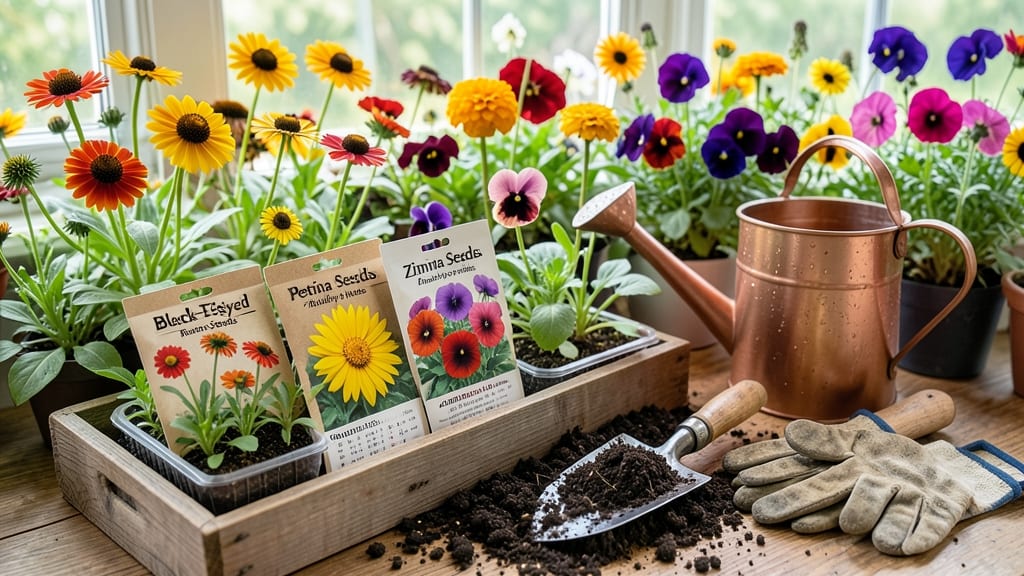
Planting flowers in Maryland at the right time means the difference between a vibrant garden and a sad, frost-nipped disappointment — and the key is timing your spring and fall windows to USDA Zones 7a-7b.
Maryland’s unpredictable spring weather can turn a gardener’s best-laid plans into a guessing game — plant too early, and frost will strike; too late, and you’ll miss peak bloom season. But with the right frost-free timeline, you can finally master the perfect schedule for annuals, perennials, and bulbs.
Whether you’re dreaming of bright daylilies in summer or hardy mums in fall, the ideal planting months depend on whether your flowers thrive in cool or warm soil. I’ll break down the exact deadlines for Maryland’s two planting seasons, plus pro tips to stretch your bloom time.
By the end, you’ll know exactly when to plant 🌸 in your zone — and how to beat early frost for a garden that stays beautiful longer.
Maryland frost dates by USDA Zone 7a-7b: exact planting windows for flowers
Maryland gardeners know the struggle: last frost dates can swing wildly between April 15 and May 10, while first frosts arrive as early as October 15.
In USDA Zone 7a, your frost window is tighter—just 165 frost-free days—compared to Zone 7b, where you gain an extra week or two. These differences mean the gap between cool-season flowers (like pansies) and warm-season bloomers (like zinnias) can be razor-thin.
To avoid frost damage or missed bloom seasons, I’ve mapped out exact planting windows for Maryland’s two zones. The key? A 2-week buffer around average frost dates for high-risk areas like the Baltimore metro or Western Maryland valleys, where cold air pools.
For example, if you’re planting tender annuals like petunias, wait until May 1 in Zone 7a—even if your neighbor in Zone 7b plants on April 25.
Here’s the critical rule: Cool-season flowers (think tulips, snapdragons, and calendula) thrive when planted 4-6 weeks before last frost.
That means mid-March to early April for Zone 7a and late March to mid-April for Zone 7b. Meanwhile, warm-season flowers like marigolds, cosmos, and sunflowers need to wait until 2 weeks after last frost—so May 15–20 in Zone 7a and May 1–10 in Zone 7b.
For perennials, timing matters just as much. Plant them in early spring (March–April) or early fall (September–October) to give roots time to establish before dormancy. Bulbs like daffodils can go in as early as October, but wait until November for tulips to avoid rot in soggy soil.
Pro tip: Use a soil thermometer—roots won’t grow well in soil below 40°F.
If you’re succession planting (like lettuce or cosmos), aim for 2-week intervals after your first warm-season planting. This ensures continuous blooms through September. For example, plant cosmos seeds every 14 days from May 15 to July 1 to stretch your season.
Just remember: first frost in Zone 7a can hit as early as October 15, so plan your last planting by September 1.
Don’t forget fall planting! Cool-season annuals like pansies, sweet alyssum, and calendula thrive when sown 8–10 weeks before first frost. That’s August 1–September 1 for Zone 7a and August 15–September 15 for Zone 7b. These flowers will bloom right through winter if you mulch them well.
For perennials, fall planting gives roots a head start for next year’s growth.
To beat early frost, I recommend these zone-specific tweaks:
- In Zone 7a, use row covers or cold frames to extend warm-season blooms into late September.
- In Zone 7b, push your last planting to July 15 for heat-tolerant flowers like zinnias or sunflowers.
- For high-elevation areas (like Catoctin Mountain), add 1–2 extra weeks to frost buffers.
Track your local frost dates using the <
Best flowers to plant in Maryland by season: cool vs. warm-season timing
Maryland’s USDA Zones 7a-7b offer a 165-day frost-free window, but timing is everything. Cool-season flowers like pansies and tulips thrive when planted 4-6 weeks before last frost, while warm-season bloomers like zinnias and marigolds need to wait until after May 10 in most areas.
Baltimore’s urban heat island effect can push planting dates 1-2 weeks earlier than Western Maryland’s cooler valleys.
For spring blooms, focus on hardy annuals and bulbs that tolerate light frost. Fall planting should prioritize cold-resistant perennials like chrysanthemums, which can handle early October frosts with proper mulching. Western Maryland’s shorter growing season means earlier deadlines—don’t wait until June to plant summer annuals!
🌱 PRO TIP: Use microclimate maps (like those from your local Cooperative Extension) to adjust planting dates by 1-3 weeks based on your specific location.
| Season | Best Flowers | Planting Window | Notes |
|---|---|---|---|
| Spring | Pansies, Tulips, Daffodils, Sweet Peas | March 15–April 15 | Cool-season; tolerate light frost |
| Summer | Marigolds, Zinnias, Petunias, Sunflowers | May 10–June 15 | Warm-season; wait for soil warmth |
| Fall | Chrysanthemums, Asters, Snapdragons, Pansies | September 1–October 15 | Cold-hardy; mulch after planting |
| Perennials | Daylilies, Black-Eyed Susans, Coneflowers | March 15–April 30 or Sept 15–Oct 15 | Plant in early spring or fall for best root growth |
In Baltimore’s urban areas, heat-tolerant varieties like celosia or vinca perform best in summer, while Western Maryland’s cooler microclimates favor hardy geraniums and columbines. Always amend soil with compost before planting—Maryland’s clay-heavy soil drains poorly, leading to root rot in many flowers.
For extended blooms, try succession planting with fast-growing annuals like bachelor’s buttons or cosmos. Start seeds indoors 6-8 weeks before last frost to get a head start. 🌻
Remember: Late May is your last chance for warm-season annuals in Zone 7b. If you miss this window, opt for cool-season alternatives like kale or ornamental cabbage that thrive in fall. 🌿