
Flowers
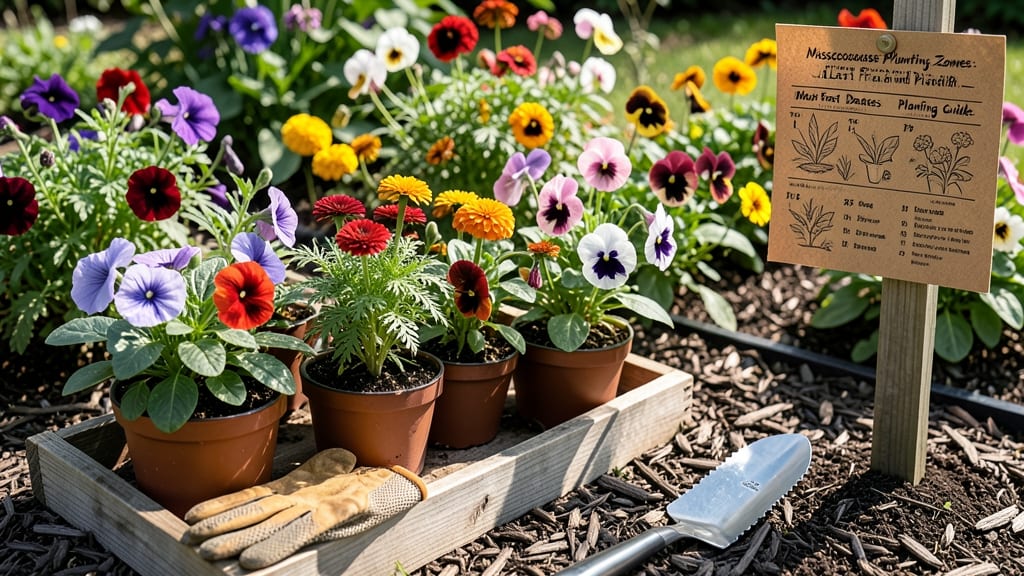
Planting flowers in Massachusetts at the right time means the difference between a garden bursting with color and one that struggles to take hold.
Massachusetts gardeners know timing is everything—plant flowers too early and risk frost damage, too late and miss peak blooms. Here’s your zone-by-zone guide to planting annuals, perennials, and bulbs for a showstopping garden.
With USDA zones ranging from 5b to 7a, the last frost typically arrives between mid-April and early May, while the first frost hits in mid-October. That narrow window means choosing the right varieties and planting dates is critical.
Below, I break down the best planting schedules for spring and fall, including soil prep tips, frost protection strategies, and the top-performing flowers for each season in your region.
Massachusetts frost-free dates by Zone: critical planting deadlines
Understanding Massachusetts frost dates is the key to successful flower gardening. The state spans USDA Zones 5a-6b, with last spring frost dates ranging from late April to early May and first fall frost dates from mid-October to early November.
These deadlines determine when to plant tender annuals like marigolds versus hardy perennials like coneflowers.
I’ve gardened in Zone 5b Western MA for years, and trust me—planting pansies in March is a recipe for frost damage. The 14-year average last frost date in Boston is May 10, but inland areas like Worcester can wait until May 15.
Always check local frost calendars like the National Weather Service or Massachusetts Horticultural Society for real-time updates.
Here’s your zone-by-zone breakdown of critical planting deadlines, including spring planting windows for annuals and fall planting windows for bulbs. I’ve also included variety-specific recommendations to maximize your blooms.
| USDA Zone | Avg. Last Spring Frost | Spring Planting Window | Avg. First Fall Frost | Fall Planting Window | Best Flowers to Plant |
|---|---|---|---|---|---|
| 5a (Northern MA: North Adams, Pittsfield) | May 15 | May 20–June 5 | September 25 | August 15–September 10 | Hardy annuals (pansies, sweet alyssum), perennials (peony, iris), bulbs (tulips, daffodils) |
| 5b (Central MA: Worcester, Springfield) | May 10 | May 15–May 30 | October 5 | August 1–September 15 | Tender annuals (marigolds, zinnias), perennials (black-eyed Susan, coneflower), fall bloomers (mums, asters) |
| 6a (Southeast MA: Boston, Providence) | April 25 | April 30–May 15 | October 15 | August 10–September 20 | Heat-loving annuals (petunias, geraniums), tropicals (begonias), late-season perennials (Russian sage) |
| 6b (Cape Cod, Islands) | April 20 | April 25–May 10 | October 20 | August 5–September 25 | Coastal-friendly flowers (lobelia, snapdragons), salt-tolerant perennials (sea thrift), extended-season bloomers |
For spring planting, wait until the soil temperature reaches at least 50°F and nighttime temperatures stay above 40°F. In Zone 5a, this often means delaying tender annuals until early June.
I’ve learned the hard way that impatiens planted in May in Pittsfield will bolt or die back with even a light frost.
Fall planting is equally critical. Bulbs like tulips should go into the ground 6 weeks before frost, while hardy perennials like sedum can handle planting until mid-October. In Zone 6b, I plant fall mums in late August to ensure they establish roots before the first frost hits.
Pro tip: Use frost cloth to extend your spring planting window by 2–3 weeks. I cover petunias and geraniums with frost cloth until May 15 in Zone 5b, giving them a head start.
For fall protection, a lightweight row cover can shield tender perennials like canna lilies until October 10.
Native Massachusetts flowers like wild bergamot and New England aster are frost-hardy and can be planted as early as late April in Zone 6
Best flowers to plant in Massachusetts by season: month-by-month guide
Massachusetts’ variable climate means your flower garden’s success hinges on timing. Whether you’re planting tender annuals or hardy perennials, aligning with the seasons ensures vibrant blooms from spring to frost.
Below, I’ve broken down the best flowers to plant each month, including care tips to maximize their potential in your yard.
Spring brings cool temperatures and longer daylight, perfect for bulbs and early bloomers like tulips and pansies. Summer’s heat tolerance makes it ideal for sun-loving perennials such as coneflowers and black-eyed Susans. Fall’s mild weather is great for late-season bloomers like mums and asters, while also preparing for winter.
Pro Tip: Always check your local frost dates—Western MA (Zone 5b) has earlier frosts than Coastal MA (Zone 6b). Use these guidelines as a starting point, then adjust based on your microclimate.
🌱 When to Plant Flowers in Massachusetts by Month
- March-April: Plant spring bulbs (tulips, daffodils) and hardy perennials (peony, lavender). Soil temp should be 40-50°F.
- May: Sow annuals (pansies, sweet peas) after last frost (mid-May in most zones). Direct seed sunflowers and cosmos.
- June: Transplant summer-blooming perennials (cone flowers, black-eyed Susans). Mulch to retain moisture.
- July: Add heat-loving annuals (marigolds, zinnias) and succession plant for late-season color.
- August: Start fall planting with mums, asters, and pansies. 6-8 weeks before frost is ideal.
- September-October: Plant bulbs for spring (crocus, hyacinth) and winter-hardy perennials (heuchera, sedum).
For spring planting, focus on cool-season flowers like pansies and tulips. These thrive in 50-60°F soil and can handle light frosts.
In May, once nighttime temps stay above 40°F, you can safely plant tender annuals such as petunias and snapdragons. Direct sowing sunflowers and cosmos in late May ensures they establish before summer heat peaks.
Summer is all about drought-tolerant perennials. Coneflowers and black-eyed Susans are low-maintenance and attract pollinators. Plant them in full sun (6+ hours) and well-draining soil to prevent root rot. Deadhead spent blooms to encourage continuous flowering through September.
Fall planting is often overlooked but critical for next year’s blooms. Mums and asters thrive when planted in late August, giving them time to root before frost. For spring bulbs, plant crocus and daffodils in October—their roots need cool weather to establish before winter.
Don’t forget to protect late bloomers with row covers if an early frost threatens. With the right seasonal timing, your Massachusetts garden can burst with color from spring to fall—and even through winter with evergreen perennials.