
Flowers
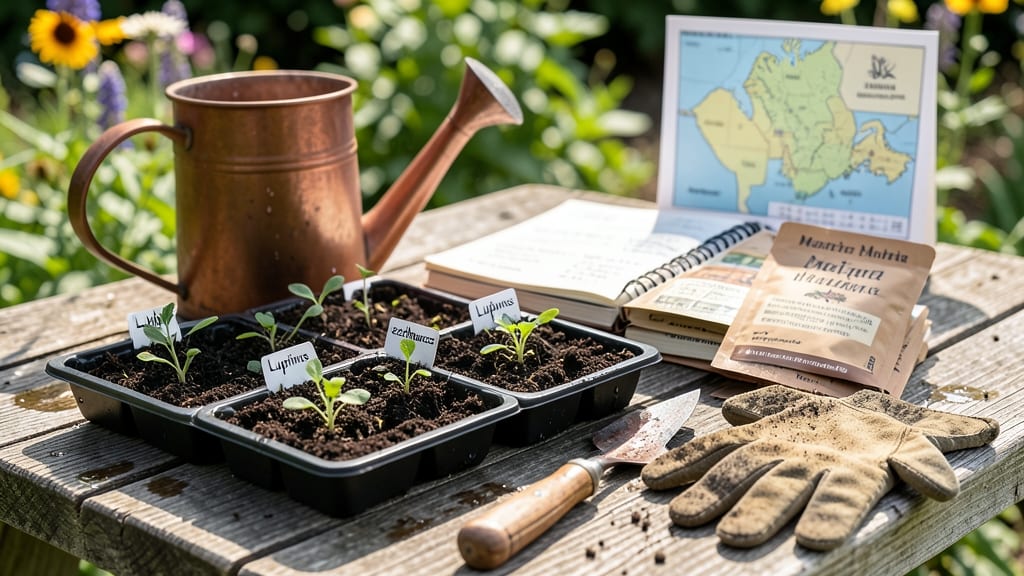
Planting flowers in Montana means timing your 🌸 blooms to survive the last frost—whether that’s May 15 in Zone 4 or June 1 in Zone 3.
Montana’s rugged beauty comes alive when wildflowers burst into color—but timing is everything. Plant too early and risk frost damage; too late and miss peak blooms.
This guide breaks down zone-specific deadlines for annuals, perennials, and bulbs, including Montana’s unpredictable climate quirks like high-altitude adjustments.
You’ll learn the best flowers for each zone, soil prep for rocky terrain, and how to extend your blooming season with simple tricks—so your garden thrives from Missoula to Glacier National Park.
Montana’s USDA Zones & last frost dates by region
Montana’s diverse geography creates a patchwork of USDA Hardiness Zones 3 through 7, meaning frost dates vary dramatically from the high-altitude Rockies (Zone 3) to the warmer valleys like Missoula (Zone 6-7).
Understanding these zones helps you avoid frost damage to tender flowers while maximizing bloom potential. For example, Glacier National Park sits in Zone 3, while Great Falls spans Zones 4-5.
In Montana, last frost dates can shift by weeks between regions—even within a single county. Zone 3 areas (e.g., Libby, Kalispell) typically see their final frost around June 1, while Zone 7 pockets (e.g., Missoula’s lower elevations) may stay frost-free until May 15.
These differences explain why hardy perennials thrive in Zone 3 but tropical annuals need Zone 6+ protection.
Here’s how to use this guide: Match your location to the closest USDA zone, then plant annuals after your last frost date and perennials in early spring (Zone 3) or late spring (Zone 7). Bulbs like tulips should go in fall (September-October) to naturalize before winter.
For example, Missoula gardeners can plant petunias in late May, while Bozeman (Zone 4-5) waits until mid-June.
Pro Tip: Check your microclimate—south-facing slopes warm faster than shaded valleys. Use a local frost calendar (like the Montana State University Extension resources) or ask nearby nurseries for neighborhood-specific advice. For instance, Billings (Zone 5) might have 2 weeks earlier last frosts than nearby high-elevation areas.
Key Dates to Remember:
- Zone 3 (e.g., Glacier NP): Last frost June 1, first frost September 15
- Zone 4 (e.g., Butte, Helena): Last frost May 20, first frost September 10
- Zone 5 (e.g., Bozeman, Great Falls): Last frost May 10, first frost September 5
- Zone 6-7 (e.g., Missoula, lower Clark Fork Valley): Last frost April 25–May 15, first frost September 15–October 1
Why These Dates Matter: Planting tender annuals (e.g., marigolds, zinnias) before your last frost risks blackened leaves or death. Conversely, waiting too long (e.g., planting cosmos in July) means smaller blooms before Montana’s short growing season ends. Perennials like coneflowers can handle early spring planting (Zone 4-7), but Zone 3 gardeners should wait until soil warms to 50°F (late May).