
Flowers
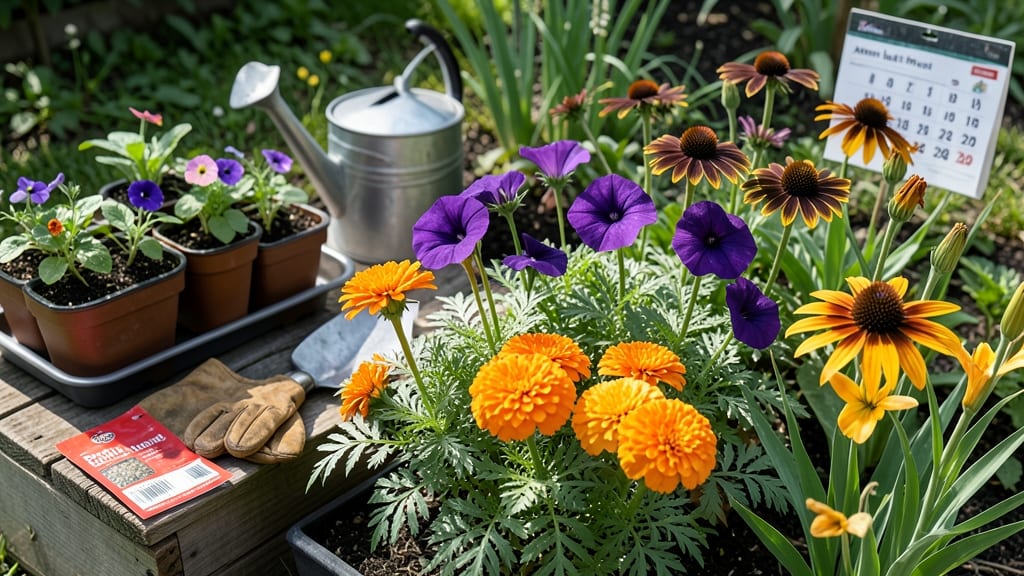
To plant flowers in New Jersey at the perfect time means catching the window between late frosts and scorching summer heat—something that can make or break your garden’s first season.
Timing your flower planting in New Jersey can mean the difference between vibrant blooms and wilted disappointment—especially with the state's unpredictable spring frosts and varying USDA zones.
Whether you're in the cooler 6a of the north or the milder 7a of the south, getting it wrong can leave your garden struggling to take root.
Most annuals and perennials thrive when planted after the average last frost date of April 15, but bulbs and cold-hardy varieties like pansies can go in as early as March. The key is knowing your microclimate—coastal areas warm up faster, while inland spots may linger in chill longer.
Below, I break down the exact planting calendar by zone, the best flowers for each season, and how to adjust for New Jersey’s tricky transitions between spring showers and summer sun.
New Jersey flower planting timeline by USDA Zone (6a & 7a)
New Jersey's USDA Zones 6a and 7a create distinct planting windows that can confuse even experienced gardeners. In Zone 6a (north NJ), the last frost typically arrives around April 15, while Zone 7a (south NJ) sees frost-free conditions by March 25.
These differences mean your spring-blooming bulbs might emerge weeks apart depending on where you garden.
Understanding these frost-date averages helps you time annuals, perennials, and bulbs perfectly. Plant too early, and a late frost will kill tender seedlings. Too late, and you miss peak blooming seasons. The key is knowing heat-tolerant varieties that thrive in NJ's summer heat and cold-hardy flowers that survive early springs.
📅 Last Frost Dates by Zone:
Zone 6a (North NJ): April 15 (average) | Zone 7a (South NJ): March 25 (average). Coastal areas may see earlier last frosts, while inland regions can experience delayed frost dates by up to 2 weeks.
For Zone 6a gardeners, the March 1-April 15 window is critical for cold-hardy annuals like pansies and violas. These flowers can handle light frosts and often bloom earlier than heat-loving varieties.
I always plant mine in early March to take advantage of this window—just be ready to cover them if unexpected late frosts hit.
In Zone 7a, you can start two weeks earlier for most flowers. This means zinnias and marigolds can go into the ground by mid-April instead of waiting until May. The key is monitoring soil temperatures—wait until they reach 60°F (15°C) before planting heat-sensitive annuals.
Don't overlook fall planting, which is just as important as spring. In both zones, August-September is ideal for asters and mums. These flowers establish roots in cooler weather and bloom beautifully before the first frost.
I've found that Zone 7a gardeners can push fall planting into early October for especially hardy varieties like 'Autumn Joy' mums.
Pro tip: Use row covers or cloches for early spring plantings in Zone 6a. These protect tender seedlings from late frosts
Best flowers to plant in New Jersey by season (cold-hardy vs. heat-loving)
New Jersey's USDA zones 6a-7a create a unique challenge for gardeners—balancing early spring frosts with summer heatwaves.
The key is selecting flowers that thrive in these extremes. Cold-hardy annuals like pansies and snapdragons can handle 30°F temperatures, while heat-lovers like zinnias and marigolds flourish when temps hit 85°F+. Let’s break down the best choices for each season.
For spring planting (March-May), focus on cool-season bloomers that tolerate light frosts. These varieties establish roots quickly and bloom early, giving you color before summer arrives. Fall planting (August-September) should prioritize heat-tolerant annuals that can handle late-season warmth and still produce flowers before the first frost.
Let’s explore which flowers excel in each scenario.
🌱 PROS & CONS OF PLANTING FLOWERS IN NEW JERSEY BY SEASON
| Spring Planting (March-May) | Fall Planting (August-September) |
|---|---|
|
Pros: - Early blooms (pansies, violas) - Frost tolerance (survive 28°F) - Quick establishment (root before heat) |
Pros: - Extended blooms (zinnias, cosmos) - Heat resistance (thrive at 90°F+) - Avoids pests (fewer spring insects) |
|
Cons: - Late frosts can damage tender varieties - Short season (may fade by June) - Requires mulch for root protection |
Cons: - Limited time to establish roots - First frost risk (October-November) - Needs consistent water during heat |
💡 Tip: Use row covers for spring plants and mulch for fall plantings to protect roots.
Start with cold-hardy annuals like pansies and snapdragons for spring. These flowers can handle light frosts down to 25°F and bloom as early as April in most of New Jersey.
Plant them in well-draining soil with full sun to partial shade, and they’ll reward you with vibrant colors until summer. For perennials, consider black-eyed Susans or coneflowers, which establish roots in spring and bloom all summer.
Shift to heat-loving annuals like zinnias and marigolds for summer and fall. These thrive in full sun and dry conditions, making them perfect for New Jersey’s hot, humid summers.
Plant them after the last frost date (typically mid-April in the south, late April in the north) or start seeds indoors 6-8 weeks before the last frost. For fall color, try cosmos or sunflowers, which handle late-season heat and still produce blooms until frost.
Don’t overlook native New Jersey flowers like butterfly weed (Asclepias tuberosa) or wild bergamot (Monarda fistulosa). These perennials are drought-tolerant and low-maintenance, perfect for gardeners who want long-lasting blooms with minimal effort.
Plant them in spring or early fall for the best establishment, and they’ll return year after year with minimal care.
To maximize your garden’s potential, combine cold-hardy and heat-loving flowers in layered beds. For example, plant pansies in front (for early spring color) with zinnias in back (for summer blooms).
This creates a continuous display from March through October. Always deadhead spent blooms to encourage more flowers and mulch around plants to retain moisture and regulate soil temperature.
New Jersey’s microclimates can also influence your choices. Coastal areas (like Cape May) have softer winters and can plant heat-lovers earlier, while inland regions (like Morris County) may experience later frosts and need to wait until mid-May for heat-tolerant varieties.
Adjust your planting dates based on your local last frost date and first frost date to ensure success.