
Flowers
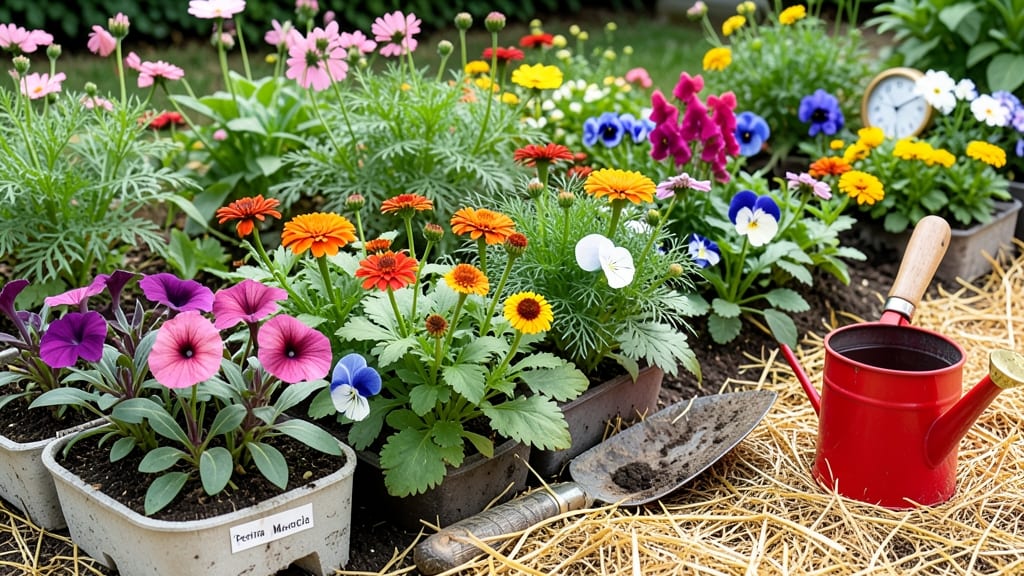
Planting flowers in North Carolina at the right time ensures vibrant blooms all season — and missing the window can mean frost or heat wiping out your hard work before it even begins.
If you’ve ever watched your 🌸 azaleas or daylilies struggle after a late frost or wilt under summer’s early heat, you know timing is everything. North Carolina’s diverse zones (6a–8b) mean deadlines vary from the coast to the mountains, so guessing won’t cut it.
This guide breaks down the exact dates for planting annuals, perennials, and bulbs by region, so you can skip the trial-and-error and start your garden with confidence.
From coastal plains to the Piedmont’s rolling hills, you’ll learn the 10-day rule for post-frost safety, which flowers thrive in each zone, and how to stretch your planting season with simple tricks.
North Carolina planting zones: when to plant flowers by last frost dates
North Carolina spans USDA hardiness zones 6b through 8a, creating unique planting windows across its three distinct regions: the Coastal Plain, Piedmont, and Mountains.
Each zone has its own last frost date, which determines when you can safely plant frost-sensitive flowers like petunias and marigolds. Understanding these dates helps you avoid late-season freezes that can kill tender seedlings.
For annual flowers, wait until 10 days after your average last frost date to plant seeds or transplants.
This 10-day rule gives the soil time to warm and reduces frost risk. Perennials and bulbs, however, often tolerate cooler soil and can be planted earlier—sometimes as early as late winter in milder zones like 8a.
Here’s how the last frost dates break down by region, along with the best planting windows for your favorite flowers:
If you’re planting cool-season flowers like pansies or lettuce, you can start as early as late winter in zones 7b and 8a. These hardy annuals often survive light frosts and can even bloom in cooler weather.
For warm-season flowers, however, wait until the soil temperature reaches at least 60°F—usually 2-4 weeks after your last frost date.
For perennials, timing depends on the plant. Daylilies and black-eyed Susans can be planted in early spring or early fall, while peony and iris prefer fall planting to establish roots before winter.
Always check the specific plant’s hardiness—some, like canna lilies, need to be dug up before frost.
Pro tip: Use the 10-day rule for extra safety. If your last frost date is April 15, don’t plant tender annuals until April 25. This buffer accounts for unpredictable late frosts, which can still occur in April, even in warmer zones.
For bulbs like tulips, plant them 6-8 weeks before the first frost—usually October in most of NC.
Microclimates also play a role. Valleys and low-lying areas tend to frost later than hillsides or southern exposures. If you’re unsure, monitor local weather forecasts or use a frost calendar from your county extension office.
For example, Asheville (Zone 7a) often has a later frost than Raleigh (Zone 7b), so adjust accordingly.
Fall planting is another key window for perennials and bulbs.
In zones 6b-7a, aim to plant by September 15 to allow roots to establish before winter. Mums and asters thrive when planted in early fall, and spring-blooming bulbs like daffodils need this head start to push through snow and frost.
Remember, succession planting can extend your blooms. After your first frost (usually November 15 in Zone 6b), replace spent annuals with winter-hardy flowers like pansies or kale. These will brighten your garden until spring and give you a head start on the next season.
🌱
Best flowers to plant by season in North Carolina (with exact months)
North Carolina’s diverse climate means your flower garden can bloom almost year-round with the right timing. From spring bulbs that punch through frost to fall perennials that defy early chill, each season offers perfect candidates.
But planting too early or late can leave your flowers struggling—or worse, dead before they bloom. Here’s my month-by-month guide to NC’s top performers, tailored to the state’s USDA Zones 6b-8b.
Start with spring bulbs like daffodils and tulips—these hardy stars go in the ground as early as October for a March-April show. Then shift to summer annuals (think petunias and zinnias) after your last frost, typically mid-March in the Mountains to early February in the Coastal Plain.
For fall perennials, mums and asters thrive when planted in August-September, while winter-hardy pansies and hellebores can handle October soil.
- 🌱 Early Spring (Feb-Mar): Plant tulips and daffodils (Zone 6b: Feb 15; Zone 8b: Jan 15). Pansies can also go in late February for early color.
- ☀️ Late Spring (Apr-May): Sow zinnias and marigolds after last frost. Petunias and geraniums thrive when planted mid-April in most zones.
- 🍂 Early Fall (Aug-Sept): Install mums and asters by August 15 for fall blooms. Hellebores (Lenten roses) can go in September for winter interest.
- ❄️ Late Fall (Oct-Nov): Winter pansies and snowdrops handle October planting. Cover bulbs like crocuses with mulch by November 1.
Don’t overlook native NC flowers like black-eyed Susans and coneflowers, which thrive when planted in early spring or fall. These perennials reward patience with years of blooms and low maintenance. For container gardens, petunias and begonias planted in May will spill over edges until frost.
Pro tip: Use row covers to extend your spring planting window by 2-3 weeks, especially in Zone 6b. For fall perennials, wait until soil temps drop below 80°F to avoid stressing roots. Always water deeply after planting to encourage strong root growth.
Missed a season? No worries! Succession planting lets you stagger zinnias and cosmos every 2-3 weeks through July for continuous color. And for winter interest, ornamental grasses planted in spring or fall add texture when most gardens sleep.
With these seasonal deadlines, your NC garden will burst with color—spring to fall—without the guesswork. Grab your gloves, and let’s get planting! 🌷