
Flowers
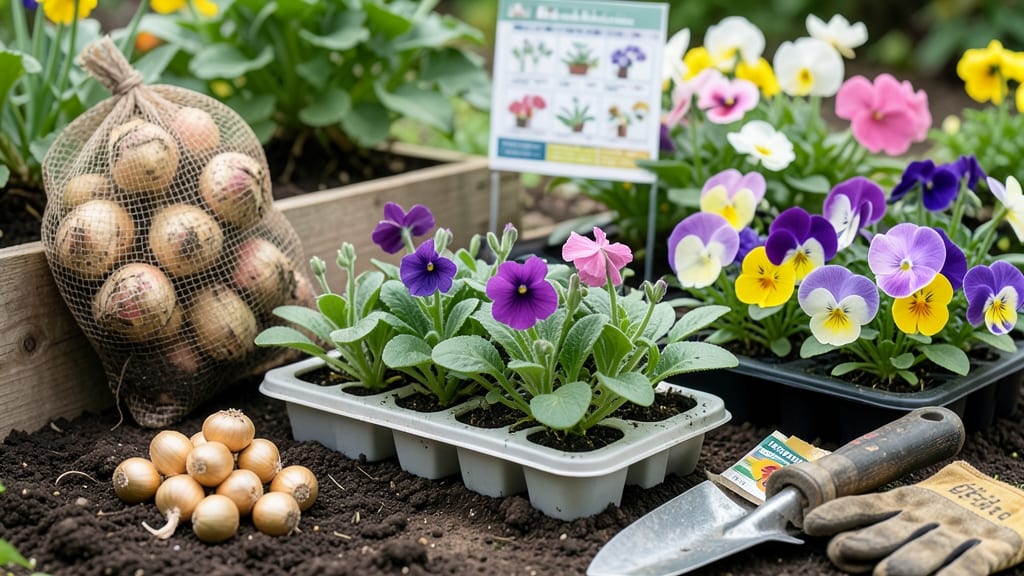
To plant flowers in Pennsylvania the right way means timing it between late March and early June for spring blooms—or August to September for fall varieties—when frost risks fade and soil warms.
Pennsylvania’s unpredictable frost dates can turn your dream garden into a frozen disappointment—but timing your flower planting just right ensures vibrant blooms all season long. Miss the window, and you’re left with leggy seedlings or flowers that bolt before they even open.
This isn’t just about avoiding frost; it’s about matching your flowers to your zone. Whether you’re in Pittsburgh’s cooler hills or Philadelphia’s urban heat, the last frost date shifts by weeks—and so does the ideal planting time for annuals, perennials, and bulbs.
Below, I break down the exact months for your USDA zone, how to stretch your season with cold frames, and which flowers thrive in Pennsylvania’s short but sweet growing window.
Pennsylvania’s frost zones and best flower planting months by region
Pennsylvania spans USDA Hardiness Zones 5b through 7a, meaning frost dates vary dramatically from the Poconos mountains to Philadelphia’s urban heat islands. Understanding your exact zone and last-frost date is critical—planting too early risks frost damage, while waiting too long shortens your bloom season.
For example, Zone 5b (northern PA) averages its last frost around May 15, while Zone 7a (southern PA) sees frost-free conditions by April 15. This 30-day difference changes everything for annuals like marigolds and petunias.
Cold-hardy perennials and bulbs (like tulips and daffodils) can handle PA’s chill, but timing matters. Planting tulip bulbs in October ensures they bloom early before summer heat, while black-eyed Susans thrive when transplanted in spring after soil warms to 50°F.
Below, we break down exact planting windows by region, including cold-tolerant varieties that thrive in PA’s short growing season.
⚠️ Key Rule: Always check your local last-frost date (use the Penn State Ag Weather Network) before planting tender annuals. A late frost in Zone 6 can delay planting until May 20, while Zone 7 gardeners may start pansies as early as March 15. Perennials are more forgiving—plant them 4-6 weeks before your average last frost for best results.
| Zone & Region | Avg. Last Frost | Best Planting Window | Cold-Hardy Flowers | Tender Annuals |
|---|---|---|---|---|
| Zone 5b (Poconos, Erie) | May 15 | April 15–May 15 (spring) August 15–September 15 (fall) |
Tulips, Daffodils, Peonies, Coneflowers | Marigolds, Zinnias (after May 15) |
| Zone 6a (State College, Harrisburg) | April 30 | April 1–April 30 (spring) August 1–September 10 (fall) |
Black-Eyed Susans, Lavender, Shasta Daisies | Petunias, Snapdragons (after April 15) |
| Zone 6b (Lancaster, York) | April 20 | March 20–April 20 (spring) August 10–September 5 (fall) |
Bearded Iris, Daylilies, Catmint | Geraniums, Begonias (after April 1) |
| Zone 7a (Philadelphia, Pittsburgh) | April 15 | March 15–April 15 (spring) July 30–August 30 (fall) |
Roses, Hydrangeas, Salvia | Impatiens, Coleus (after March 15) |
In Zone 5b, where winters are harsh, focus on early-blooming bulbs like crocuses and hyacinths—they push through snow for March-April color. Meanwhile, Zone 7a gardeners can plant tender annuals like geraniums as early as March 15, thanks to milder winters.
Pro tip: Use row covers to protect pansies or violas in cooler zones until May 1.
For perennials, early spring (March-April) is ideal—soil warms faster than air, reducing transplant shock. Dahlias, for example, need 60 days of warm soil to bloom, so plant them in late May in Zone 5b or early May in Zone 7a. Succession planting (like marigolds every 2 weeks) extends your bloom season by 6-8 weeks.
Fall planting is often overlooked but critical for bulbs and cool-season flowers. Plant tulip bulbs in October (6 weeks before ground freezes) and pansies in August-September to enjoy winter-spring blooms.
In Zone 6b, where first frost hits October 20, aim to plant fall annuals by September 15.
🌱 Pro Move: Test your soil’s drainage before planting—PA’s clay-heavy soils can drown delicate annuals. Amend with compost or sand to improve aeration.
How to adjust planting for Pennsylvania’s microclimates (city vs. rural timing)
Pennsylvania’s diverse landscapes create microclimates that can shift your last frost date by weeks. Cities like Philadelphia experience urban heat islands that delay frost, while Pittsburgh’s valleys stay cooler longer. These differences mean your spring planting window could be 2–3 weeks earlier in the city than in rural areas.
For example, Philadelphia’s average last frost is April 15, while Pittsburgh’s is May 1. Central PA’s variable frost patterns add another layer of complexity—some years, frost lingers into May 10, while others see early April thawing. Without adjustments, your annual flowers might bolt or perish.
To navigate these shifts, I rely on Penn State’s Ag Weather Network, which provides hyper-local frost alerts and growing degree day updates. Their free email alerts notify me when it’s safe to plant heat-loving annuals like zinnias or cool-season crops like pansies.
Here’s how city vs. rural planting windows differ—and how to use these tools for precision timing:
| Region | Last Frost Date | Best Spring Planting Window | Fall Planting Window | Key Adjustments |
|---|---|---|---|---|
| Philadelphia (Urban) | April 15 | April 20–May 15 | September 1–October 10 | Plant heat-lovers (e.g., marigolds) 2 weeks earlier; use row covers for late frosts. |
| Pittsburgh (Valley) | May 1 | May 10–June 1 | August 15–September 15 | Wait for soil warmth (50°F+); prioritize cool-tolerant varieties like snapdragons. |
| Central PA (Rural) | April 25 (varies) | May 1–May 20 | August 20–September 20 | Use frost blankets for early starts; monitor elevation (higher = later frost). |
Even within these regions, elevation changes of just 500 feet can shift frost dates by 1–2 weeks. For instance, State College’s mountain slopes often see frost until May 10, while nearby valleys thaw by April 20.
To account for this, I check local weather stations like those at Penn State’s College Farm or Morris Arboretum in Philadelphia.
For fall planting, the rules flip: rural areas can plant hardy annuals like cosmos as early as August 15, while cities wait until September 1 to avoid early October frosts.
Pro tip: Succession plant every 2 weeks in cities to extend blooms, since heat islands delay first frost by 10–14 days.
Start with these microclimate adjustments, and your Pennsylvania garden will bloom like clockwork—no more frost surprises! 🌸