
Flowers
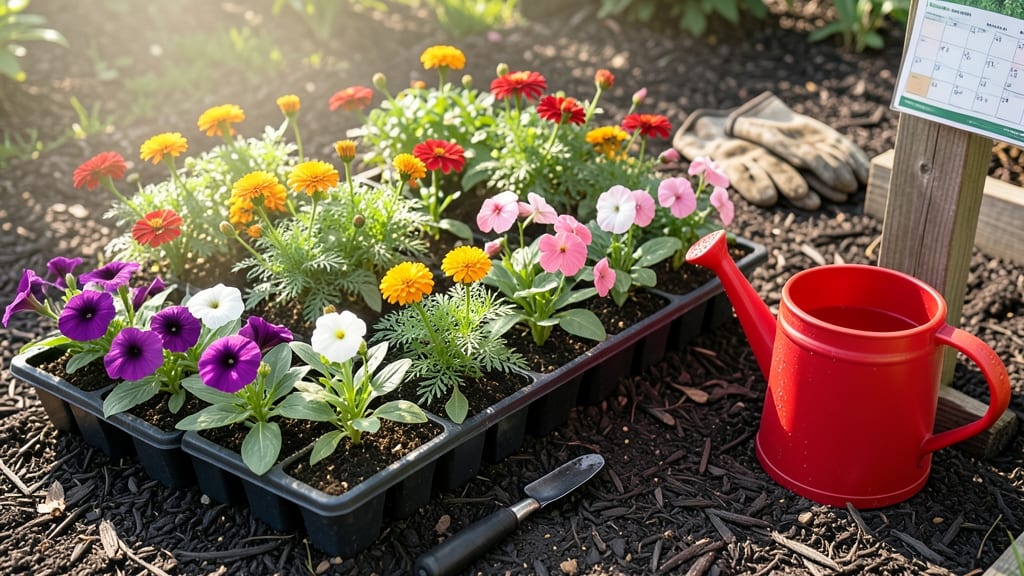
Planting flowers in St. Louis after the last frost date—around mid-April—sets your garden up for a dazzling spring show 🌸.
St. Louis gardeners know timing is everything—plant too early and frost will kill your blooms, too late and summer heat arrives before flowers even sprout. Mastering the perfect planting window ensures vibrant gardens from spring to fall.
With USDA Zone 6a frost dates as your guide, you can align your planting schedule with the 165 frost-free days St. Louis offers each year. Whether you're sowing cool-season pansies in March or warm-season zinnias in May, the right timing makes all the difference.
Below, I’ll break down the best months for planting annuals, perennials, and bulbs, plus pro tips to stretch your blooms from early spring through crisp fall. Ready to transform your yard into a nonstop color show?
St. louis frost dates and planting windows by month for annual flowers
St. Louis sits in USDA Zones 6a and 6b, where average last frost dates hover around April 15 and first frosts arrive October 15. These dates create a 165-day growing season—just enough time to grow cool-season and warm-season annuals if you time it right.
Missing the window by even a week can mean wilted seedlings or stunted blooms, so let's break down the best planting months for your favorite flowers.
Cool-season flowers like pansies and snapdragons thrive when planted 4-6 weeks before last frost, giving them time to establish roots before summer heat. Meanwhile, zinnias and marigolds need to wait until after May 1 to avoid frost damage.
Microclimates—like urban heat islands or shaded yards—can shift these windows by 1-2 weeks, so always check local forecasts.
Here’s a quick reference for month-by-month planting based on St. Louis’s climate, including adjustments for urban heat islands and shaded microclimates:
| Month | Cool-Season Flowers | Warm-Season Flowers | Urban Heat Island Adjustment | Shaded Microclimate Tip |
|---|---|---|---|---|
| February | Start pansies, calendula indoors | None (too early) | Plant 2 weeks later in city centers | Use grow lights for seedlings |
| March | Direct-sow snapdragons, stock | None (frost risk) | Wait until March 20 for city areas | Choose shade-tolerant varieties |
| April | Plant sweet peas, lobelia after April 15 | Start zinnias indoors | Delay until April 25 in heat islands | Mulch to retain moisture |
| May | Transplant coleus, impatiens | Direct-sow marigolds, sunflowers | Plant 1 week earlier in cooler suburbs | Use drip irrigation for shade |
| September | None (too late for cool-season) | Plant cosmos, asters for fall blooms | Start 2 weeks earlier in city heat | Choose drought-tolerant varieties |
| October | Plant pansies, snapdragons for winter color | None (frost risk) | Plant by October 1 in suburbs | Use row covers for protection |
For urban heat islands, where pavement absorbs heat, shift planting dates 1-2 weeks later in spring and earlier in fall. For example, marigolds can handle city heat better than zinnias, which may bolt if planted too early.
In shaded microclimates, prioritize partial-shade flowers like impatiens or coleus, and mulch heavily to prevent soil temperature swings.
Pro tip: Use row covers or cold frames to extend your planting window by 2-3 weeks in early spring or late fall. This lets you sow cool-season flowers like kale (yes, it’s edible and pretty!) or ornamental cabbage as early as February or as late as November.
Just remove covers during the day to prevent overheating.
If you’re unsure about your microclimate, observe your yard for 3 years to note frost patterns. Urban areas often frost 1-2 weeks later in spring and earlier in fall than rural spots. Adjust your planting schedule accordingly—your zinnias will thank you with bigger, brighter blooms!
Remember, soil temperature matters just as much as air temperature. Use a soil thermometer to confirm when it’s 50°F+ for warm-season flowers or 40°F+ for cool-season varieties. This simple tool can save you from planting too soon and risking frost damage.
Start with pans
Best flowers to plant each season in St. louis for nonstop color
St. Louis's four distinct seasons create the perfect canvas for a year-round flower garden. By choosing the right blooms for each season, you can enjoy continuous color without gaps.
The key is matching planting times with St. Louis's average last frost (April 15) and first frost (October 15), while accounting for our humid summers and variable springs.
Spring-bloomers like tulips and daffodils should go in early March for early color, while warm-season favorites like zinnias and marigolds need to wait until after May 1. Fall planting offers a second chance for cool-season annuals that thrive in St. Louis's mild autumns.
🌱 Seasonal Planting Timeline for St. Louis
- Early Spring (March): Plant cool-season bulbs (tulips, daffodils) and hardy annuals (pansies, violas) for March-April blooms.
- Late Spring (April-May): Set out warm-season flowers (petunias, impatiens) after April 15 when soil warms.
- Summer (June-July): Add heat-tolerant annuals (zinnias, sunflowers) and succession plant every 4 weeks.
- Early Fall (September): Plant cool-season annuals (asters, chrysanthemums) 6 weeks before first frost for October-November color.
- Late Fall (October): Install spring-blooming bulbs (tulips, hyacinths) for next year's display.
🌿 Pro Tip: Use row covers to extend fall blooms past October 15.
For spring color, tulips and daffodils planted in early March will reward you with March-April blooms. Pair them with pansies and violas, which tolerate light frosts and continue blooming until May's heat arrives.
These cool-season annuals thrive in St. Louis's variable spring temperatures and even handle occasional light frosts.
Summer gardens shine with petunias and impatiens, which should be planted after April 15 when soil temperatures consistently stay above 50°F. For extended summer blooms, choose 'Bloom All Summer' petunia varieties that continue flowering until first frost.
Don't forget zinnias and sunflowers, which thrive in St. Louis's hot, humid summers and attract pollinators.
Fall planting offers a second chance for color when many gardens fade. Asters and chrysanthemums planted in early September will bloom beautifully through October and November. These cool-season annuals handle St. Louis's mild autumns beautifully and even tolerate light frosts.
For extended fall interest, add ornamental kale and pansies to your fall garden.
To create a nonstop color garden, overlap blooming seasons by planting spring bulbs in fall, summer annuals in spring, and fall annuals in summer. This layered approach ensures your garden stays vibrant from March through November.
Remember, St. Louis's humid summers and variable springs require careful selection of drought-tolerant varieties like lantana and salvia for low-maintenance summer color.