
Flowers
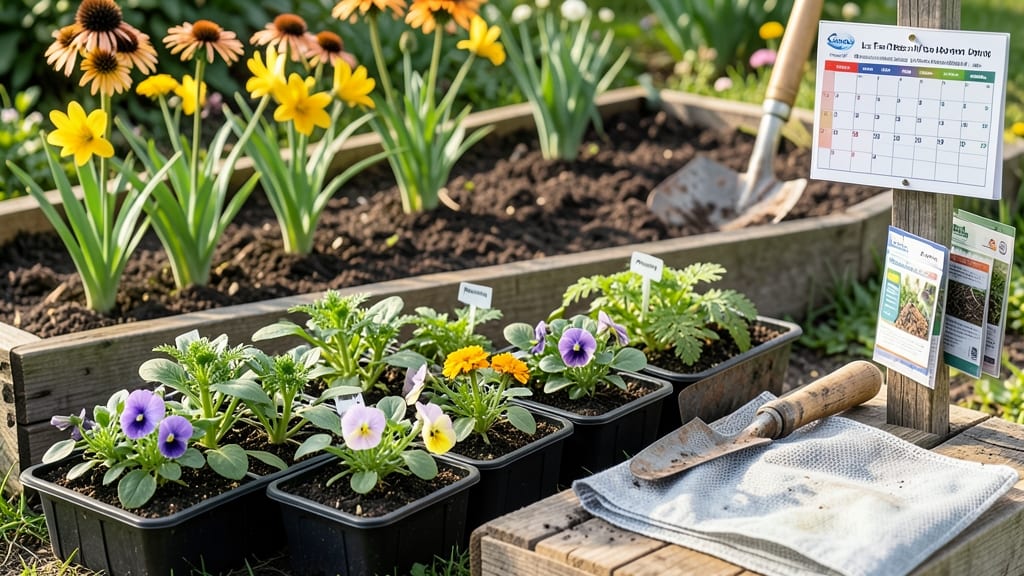
Planting flowers in Zone 6b after the last frost around mid-April ensures they thrive before summer heat arrives.
Timing your flower planting in Zone 6B can mean the difference between a vibrant garden and a season of missed blooms—avoid these common frost-date mistakes that even experienced gardeners make.
In this guide, I’ll break down the exact frost dates for Zone 6b, whether you’re planting annuals like marigolds or perennials like coneflowers, and how to adjust for microclimates.
You’ll also discover the best month-by-month schedule for cool-season blooms in spring and heat-tolerant varieties for late summer, plus tricks to extend your flower season.

Zone 6B frost dates explained: when to plant annuals vs perennials
Understanding your Zone 6B frost dates is the key to unlocking a stunning flower garden. Unlike warmer zones, Zone 6B—spanning areas like the Piedmont region and parts of the Midwest—has a 165-day frost-free window, with last frosts typically arriving between April 15 and May 1.
First frosts usually hit between October 15 and November 1, but these dates can shift by 1-2 weeks depending on elevation and microclimates.
For annual flowers, timing is everything—plant too early, and a late frost will wipe them out. For perennials, early spring or late summer planting gives roots time to establish before winter.
Even experienced gardeners often misjudge these windows, leading to wasted seed packets or stunted growth. Let’s break down the exact planting windows and how to adjust for your specific location.
Your elevation plays a huge role in frost timing. Gardens at 1,000+ feet may experience frosts 1-2 weeks later than valley areas. For example, if you’re in the Appalachian foothills, aim to plant annuals 2 weeks later than the average Zone 6B timeline.
Microclimates—like south-facing slopes or urban heat islands—can also shift frost dates by 5-10 days, so observe your garden’s patterns for 3 years to refine your schedule.
For annual flowers, the rule is simple: wait until the danger of frost has passed. Test your soil temperature with a soil thermometer—most annuals thrive when it’s consistently above 60°F.
If you’re eager to start, opt for cold-hardy annuals like pansies or snapdragons, which can handle light frosts down to 25°F. For heat-loving annuals like petunias or zinnias, delay planting until after Memorial Day to avoid stunted growth from cool soils.
Perennials, on the other hand, benefit from early spring or late summer planting. When you plant perennials in March or April, their roots have 3-4 months to establish before winter.
If you’re adding perennials in fall, aim for August or early September—this gives roots time to grow before the ground freezes. A common mistake is planting perennials too late in fall, which can leave them vulnerable to winter heave or poor root development.
Bulbs deserve special
Best flower planting calendar for Zone 6B: month-by-month guide
Getting your Zone 6B flower planting timeline right ensures vibrant blooms all season long. Unlike warmer zones, we have to work around late spring frosts (often until May 1) and early fall freezes (as soon as October 15).
The key is matching frost-sensitive flowers with the right planting windows while taking advantage of our 165 frost-free days.
I’ve broken this down into three critical planting phases: cool-season flowers (March–April), warm-season bloomers (May–June), and fall favorites (August–September). Each phase has its own frost-tolerant varieties and planting deadlines to avoid disappointment. Let’s dive into the month-by-month action plan.
- 1
- 2
- 3
For perennials, I recommend dividing and transplanting in early spring (March) or early fall (September) when the soil is still warm but nights are cooling.
This gives roots time to establish before winter dormancy. Bulbs like tulips and daffodils should go in the ground by October 1—don’t wait until November!
Pro tip: Use succession planting for warm-season flowers like zinnias and marigolds. Sow a new batch every 2–3 weeks from May through July to keep your garden blooming until first frost. This is especially useful in Zone 6B where our growing season is shorter than in warmer zones.
Don’t forget to harden off seedlings before transplanting, especially for tender annuals like petunias and geraniums. Acclimate them over 7–10 days in late April to prevent shock when moving them outdoors.
And always check your local frost forecast—a late cold snap can wipe out unprotected plants in a single night.
With this Zone 6B planting calendar, you’ll maximize your blooms while avoiding the heartbreak of frost-damaged flowers. Start with the cool-season stars in spring, transition to heat-loving varieties in summer, and finish with fall favorites for a garden that stays beautiful until the first snowflakes!