
Flowers
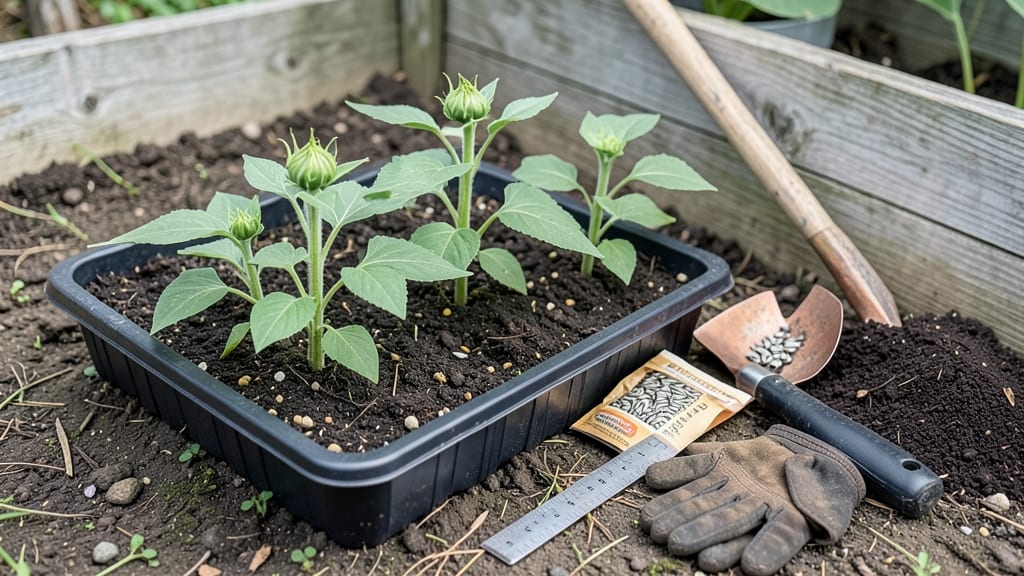
Planting sunflowers in Zone 8a after your last frost date — around mid-March — sets you up for a season of towering blooms and happy pollinators.
Sunflowers bring vibrant color and joy to any garden—but planting them at the wrong time in Zone 8a can mean wilted dreams instead of towering blooms. Timing is everything for maximizing height, yield, and resilience to summer heat.
In this zone, the 240 frost-free days give you a long window to grow everything from 3-foot dwarfs to 18-foot giants, but rushing too early risks stunted growth from cold soil, while waiting too late cuts back your bloom time.
Below, I’ll break down the ideal planting timeline, the best varieties for your climate, and how to adjust for late-season heat to keep your sunflowers 🌻 thriving all summer long.

Zone 8a sunflower planting timeline: frost dates and soil temperatures
Sunflowers thrive in Zone 8a's warm climate, but timing your planting is critical for avoiding early frost damage or summer heat stress. The average last frost date in Zone 8a falls around March 15, with soil temperatures finally reaching the 50°F threshold needed for germination.
Planting too early risks cold-sensitive seedlings, while late planting may delay blooms until fall's first frost.
In Zone 8a, sunflowers can be planted from mid-March through early July for optimal growth. This window ensures seeds germinate in 50°F+ soil and mature before fall frosts (typically November 15).
Early spring plantings (March-April) produce taller varieties with more time to grow, while summer plantings (June-July) yield shorter, heat-tolerant blooms perfect for late-season color.
| Planting Window | Soil Temp | Growth Stage | Zone 8a Notes |
|---|---|---|---|
| Mid-March | 50°F+ | Germination | Risky; use row covers if frost threatens |
| April | 55°F+ | Vegetative | Ideal for tall varieties (90+ days to maturity) |
| May-June | 60°F+ | Flowering | Best for dwarf varieties (60 days to maturity) |
| Early July | 65°F+ | Seed Development | Late plantings may bolt quickly in heat |
For Zone 8a gardeners, I recommend starting with April plantings for giant varieties like 'Russian Giant' (120 days to maturity). These need the full growing season to reach their 12-18 foot heights.
In contrast, dwarf varieties like 'Teddy Bear' (60 days) can be sown as late as June 15 for late-summer blooms. Always test soil temperatures with a soil thermometer—seeds won't germinate below 50°F, even if air temps are warmer.
Late plantings in June-July produce sunflowers that mature just in time for fall festivals or seed harvesting. However, these plants may bolt faster due to shorter daylight in late summer.
To extend the season, choose heat-tolerant varieties like 'Autumn Beauty' or provide afternoon shade for seedlings. Avoid planting after July 15—most varieties won't reach maturity before fall frosts.
Soil temperature is more critical than air temperature for sunflower germination. Use a soil thermometer to confirm 50°F+ readings at 2-inch depth. In Zone 8a, this typically occurs by mid-April in most regions, but microclimates (like urban heat islands) may warm earlier.
If planting in cooler microclimates, wait until soil reaches 55°F for faster germination and stronger seedlings.
One common mistake in Zone 8a is planting sunflowers too early in March, hoping for an early start. While some varieties tolerate light frosts, seedlings often rot in cold, wet soil.
Instead, I suggest starting seeds indoors 2-3 weeks before your target outdoor date if you're eager for earlier blooms. Use biodegradable pots to avoid transplant shock when moving seedlings outdoors after the last frost.
For succession planting, stagger sunflower varieties every 2-3 weeks from April through June. This ensures continuous blooms from summer through fall. For example, plant 'Moulin Rouge' (dwarf, 60 days) in April, followed by 'ProCut' (cut-flower, 70 days) in May, and 'Russian Giant' (120 days) in early June.
This strategy maximizes your garden's visual impact and harvest potential.
Remember that sunflowers in Zone 8a face intense summer heat, which can cause bolting (rapid flowering) or sunscald on leaves. To mitigate this, provide 1-2 inches of mulch to retain moisture and plant in well-draining soil amended with compost.
Water deeply at the base of plants in the morning to prevent fungal issues from evening moisture.
By following this Zone 8a planting timeline, you'll enjoy taller, healthier sunflowers with vibrant blooms that attract pollinators all season long. Whether you're growing for cut flowers, birdseed, or simply summer joy, timing is the key
Sunflower varieties that thrive in Zone 8a’s extended growing season
Zone 8a’s long growing season (March to November) lets you grow sunflowers from spring blooms to fall harvests. But not all varieties handle the heat and humidity equally. Dwarf types like 'Moulin Rouge' thrive in containers or borders, while 'Russian Giant' reaches 12+ feet with proper care.
Your choice depends on space, purpose, and heat tolerance.
For maximum height and seed production, giant varieties like 'Russian Giant' need full sun and consistent moisture during Zone 8a’s hot summers. Dwarf varieties like 'Teddy Bear' adapt better to partial shade or urban gardens with limited space.
Oilseed types like 'Sunflower Oil' mature faster (60-70 days) but may struggle in late-summer heat.
Planting windows vary by variety. Giant types should go in late spring (April-May) to avoid early bolting, while dwarf varieties can handle late summer plantings (June-July) for fall color. Oilseeds thrive with succession planting every 2-3 weeks for continuous harvests.
Your local microclimate matters! Coastal areas with cooler summers can plant giant varieties as early as March, while inland zones should wait until April to avoid heat stress.
For container growing, choose dwarf types like 'Moulin Rouge'—they bloom faster (50 days) and handle urban heat islands better.
If you love late-season blooms, try 'Autumn Beauty'—its multi-colored petals thrive in Zone 8a’s fall warmth (plant in June for October harvests). For seed production, oilseed varieties mature quickly but need regular watering during summer droughts. Always stake tall varieties in windy zones.
Pro tip: Mix varieties for extended color! Plant early-blooming dwarfs (March) with late-season giants (June) to enjoy sunflowers from spring to frost. Just remember—giants need space, while dwarfs bring instant color to small gardens. 🌻