
Planting
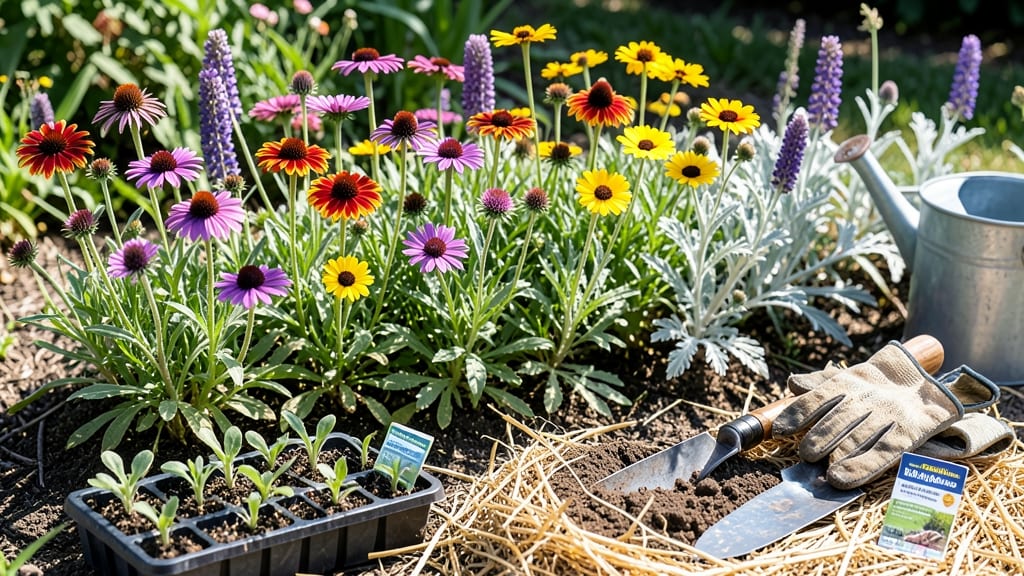
To plant wildflower seeds in Zone 9 for vibrant, year-round blooms, aim for fall or winter months when cooler temperatures and occasional rains create ideal germination conditions.
Wildflowers bring vibrant color and life to your garden—but planting them at the wrong time in Zone 9 can mean sparse blooms or failed germination. Timing is everything for year-round beauty, and these expert tips will help you maximize your wildflower success.
Unlike cooler climates, Zone 9 (think Southern California, Arizona, or Florida) rarely sees frost, so you can skip the spring rush and focus on the cooler months when heat stress is minimal.
Fall planting in October through December gives seeds time to establish roots before summer’s intensity, while winter sowing in January or February takes advantage of natural moisture.
Below, I’ll break down the best planting windows, soil prep secrets, and how to avoid common mistakes that leave your wildflowers 🌼 struggling to thrive in this unique climate.

Best planting months for wildflower seeds in Zone 9 by season
Zone 9's mild winters and warm summers create a unique opportunity for year-round wildflower planting. Unlike colder climates, you can sow seeds in four distinct seasons—each offering different advantages for establishment. The key is understanding how temperature fluctuations and rainfall patterns affect germination rates in your specific region.
Fall planting (October-December) is my top recommendation for most wildflower species in Zone 9. Cool temperatures and consistent rainfall create ideal conditions for seeds to stratify naturally and germinate without competing with summer heat. Winter sowing (January-February) works well for drought-tolerant varieties that need a head start before spring blooms.
Spring planting (March-April) gives you a second chance for summer-blooming species, while summer sowing (June-July) is best for heat-loving annuals that need to establish before monsoon rains. Each season requires different preparation techniques to ensure success in Zone 9's diverse microclimates.
| Season | Best Months | Key Advantages | Soil Prep Tip |
|---|---|---|---|
| Fall | October-December | Cool temps prevent seed desiccation; natural rainfall reduces irrigation needs | Loosen top 1" of soil; add compost for moisture retention |
| Winter | January-February | Avoids summer heat stress; ideal for perennial establishment | Test soil moisture; water lightly if dry spells occur |
| Spring | March-April | Perfect for summer-blooming annuals; longer daylight hours accelerate growth | Mulch lightly to retain moisture during warm days |
| Summer | June-July | Best for heat-tolerant species like Black-Eyed Susans; monsoon prep timing | Use shade cloth if planting before monsoons |
Fall planting in Zone 9 offers the highest success rates because seeds germinate during cooler temperatures (60-70°F) when soil moisture remains consistent. I recommend sowing native wildflower mixes like California Poppies or Bluebonnets in November for spring blooms.
The key is to plant 4-6 weeks before first frost—though Zone 9 rarely gets frost, coastal areas may experience light chilling.
Winter planting (January-February) works particularly well for drought-resistant species that need to establish deep roots before summer heat arrives. I've had great success with Desert Marigolds and Blanket Flowers when sown in late winter. The mild winter rains provide natural irrigation, reducing your watering workload significantly.
Spring planting (March-April) gives you a second opportunity for summer-blooming annuals like Sunflowers or Cosmos. The longer daylight hours in spring accelerate germination, but you'll need to water more frequently until plants establish.
I always prepare the soil with a light compost amendment to help retain moisture during warm days.
Summer planting (June-July) is ideal for heat-loving species that need to establish before monsoon rains. I recommend sowing Black-Eyed Susans or Mexican Sunflowers in late June when soil temperatures are consistently above 70°F.
The trick is to water deeply every 3-4 days until germination occurs, then let nature take over with monsoon rains.
For year-round blooms, I suggest planting a staggered mix—sow some seeds in fall for spring color, others in winter for summer blooms, and a final batch in spring for late summer flowers. This creates a continuous display that attracts pollinators throughout the year in Zone 9's mild climate.
Remember that microclimates play a huge role in Zone 9. Coastal areas may need earlier planting than inland desert regions. Always check your local frost dates (even if rare) and adjust timing accordingly. With the right seasonal approach, you can enjoy vibrant wildflowers almost year-round in Zone 9's diverse landscapes.
🌼
How to extend blooming seasons with strategic planting in Zone 9
Zone 9 gardens offer a unique opportunity to enjoy wildflowers almost year-round with the right strategic planting techniques. Unlike cooler climates, our mild winters and warm springs allow for staggered blooms if you plan carefully.
The key lies in understanding how to layer different wildflower species with varying bloom times and microclimate needs.
One of my favorite methods is succession planting, where I sow seeds in three distinct waves—fall, winter, and early spring—to create a continuous color display. This approach ensures that as one batch finishes blooming, another is just beginning.
For example, California poppies and lupines thrive when planted in October-November, while black-eyed Susans and coreopsis prefer February-March sowing.
🌱 5 Strategic Planting Tips for Year-Round Blooms in Zone 9
- 🌼 Fall Planting (Oct-Nov): Sow cool-season wildflowers like bluebonnets and larkspur for winter-spring blooms (120-150 days to flower).
- ❄️ Winter Planting (Jan-Feb): Choose heat-tolerant species like sunflowers and zinnia for spring-summer displays (60-90 days to bloom).
- ☀️ Spring Planting (Mar-Apr): Opt for fast-growing annuals like cosmos and marigolds for summer-fall color (30-60 days to flower).
- 🌡️ Microclimate Zones: Plant shade-tolerant species (e.g., foxglove) near structures, while sun-lovers (e.g., blanket flower) thrive in open areas.
- 🌧️ Rainfall Timing: Schedule seed mixes to align with natural rainfall—fall/winter plantings benefit from cooler temps and occasional showers.
Don't overlook the power of seed mixes designed for staggered blooming. Many commercial blends include a combination of early, mid, and late-season flowers.
For instance, a mix containing sweet alyssum (blooms in 30 days), bachelor's buttons (60 days), and cornflower (90 days) will give you non-stop color from early spring through summer. I recommend purchasing mixes labeled as "extended bloom" or "season-long" for Zone 9.
Microclimates play a crucial role in Zone 9 gardens. A north-facing slope might stay cooler longer, allowing you to extend spring blooms by 2-3 weeks compared to a south-facing bed. I've noticed that blue-eyed grass thrives in these cooler microclimates, while desert marigolds prefer the hottest, driest spots.
Use these natural variations to your advantage by planting heat-sensitive species in shaded areas and drought-tolerant varieties in full sun.
Another pro tip: Interplant perennials with annuals for a seamless transition. For example, pair purple coneflower (a perennial that blooms mid-summer) with snapdragons (an annual that flowers in early spring).
This creates a continuous bloom cycle where one plant takes over as the other finishes. Mulch heavily around perennials to protect their roots during our mild but unpredictable winters.
Finally, embrace winter sowing for species that need a cold period to germinate. Many native wildflowers like goldenrod and milkweed benefit from a cool stratification process.
I've had great success sowing these in December-January—they'll lie dormant through winter and burst into bloom by late spring, just as our summer annuals are taking over.