
Flowers
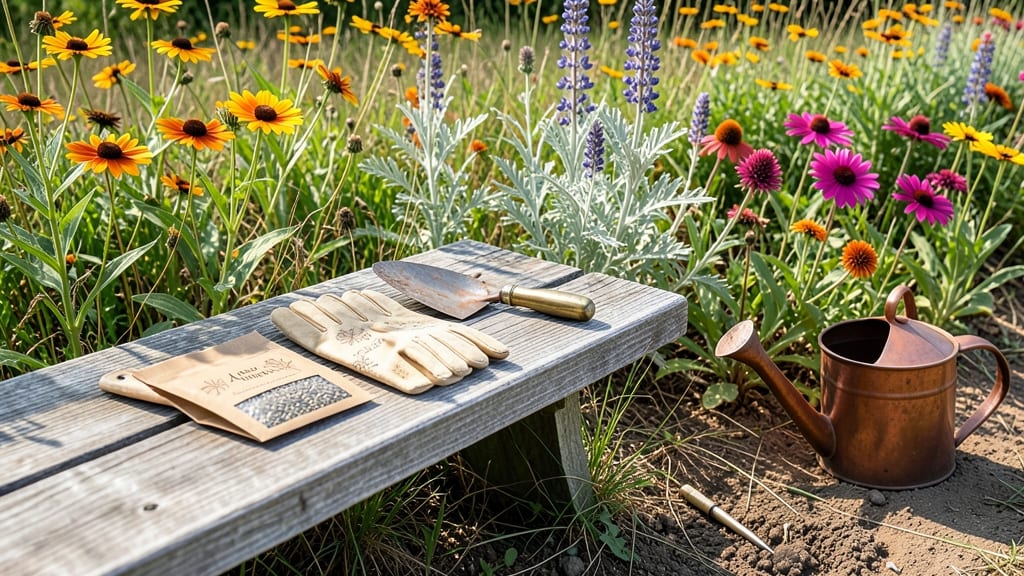
Planting wildflowers in Alabama at the right time ensures vibrant blooms from spring to summer 🌼 — and missing the window means frost or heat can ruin your efforts.
If you’ve ever watched a patch of wildflowers wither under late frost or struggle in summer’s brutal heat, you know timing is everything. Alabama’s 7a-8b zones give you two prime chances: late winter to early spring or fall, when soil stays warm but temperatures stay mild.
This guide breaks down the best months by county, the native species that thrive in your yard, and the simple prep work that makes all the difference. No guesswork—just blooms that last.
Discover frost-free deadlines, soil tricks for Alabama’s clay-heavy ground, and how to keep invasive weeds from stealing the show. Your pollinator-friendly garden starts here.
Alabama’s frost-free deadlines by county for planting wildflowers
Alabama’s diverse climate means your wildflower planting window varies dramatically from north to south. In USDA zones 7a-8b, timing directly impacts whether your seeds germinate or get fried by summer heat.
Northern counties like Madison and Marshall face later last-frost dates, while southern Mobile and Baldwin can plant earlier—sometimes as early as February.
For spring planting, aim for 2-4 weeks after your county’s average last frost. This gives seedlings time to establish before summer’s intense heat. Fall planting (September-October) is ideal for cool-season varieties like bluebonnets and poppies, which need time to root before winter dormancy.
Check your USDA zone and county-specific frost dates below to avoid common mistakes like planting too early (frost damage) or too late (heat stress).
🌱 Pro Tip: Use heat-tolerant varieties (e.g., Black-Eyed Susans, Coreopsis) for late spring plantings, while cool-season flowers (e.g., Lupine, Sweet Alyssum) thrive in fall. Always cross-check with your local cooperative extension office for microclimate adjustments.
Northern Alabama’s cooler microclimates (like Madison and Limestone counties) often see late-March last frosts, while southern regions like Mobile and Baldwin can plant wildflower seeds as early as February.
This 2-month difference is critical—planting Black-Eyed Susans in Mobile in April risks heat stress, while planting them in Madison in April gives them ideal growing conditions.
For fall plantings, prioritize September-October to allow roots to establish before winter. Cool-season varieties like Lupine and Sweet Alyssum thrive when planted in early fall, while heat-tolerant annuals (e.g., Zinnias, Sunflowers) can handle late-summer sowings in southern counties.
Always test soil moisture—Alabama’s clay-heavy soils can dry out quickly in summer.
Use this county-by-county guide to align your planting with local frost patterns. For example, Jefferson County’s 7b zone allows earlier spring plantings than Madison’s 7a, but both benefit from fall-sown seeds.
Cross-reference with the Alabama A&M University Extension’s interactive frost map for real-time updates on 2024 variations.
🌿 Key Takeaway: Spring plantings work best 2-4 weeks after last frost, while fall plantings should occur 6-8 weeks before first frost. Southern counties gain extra time—use it for heat-loving varieties like Mexican Sunflower or Lantana, while northern gardeners should focus on cool-season natives like Purple
Best wildflower varieties for Alabama’s climate zones
Alabama’s 7a–8b climate zones create perfect conditions for native wildflowers that thrive year-round. Whether you’re planting in urban gardens or rural meadows, choosing the right species ensures vibrant blooms and low-maintenance beauty.
These varieties are drought-resistant, support local pollinators, and adapt to Alabama’s sandy, clay, or acidic soils. Let’s explore the best picks for each bloom season and soil type.
For spring blooms, start with Virginia Bluebells and Bloodroot, both thriving in woodland edges and moist, acidic soils. These delicate flowers emerge early, providing bees and butterflies with their first food source.
If your soil is clay-heavy, amend it with compost to improve drainage—these plants hate soggy roots. Pair them with Coreopsis for summer-long color and Echinacea (Purple Coneflower) for late-season blooms.
🌼 SUMMARY TABLE: Alabama Wildflowers by Season & Soil
🌿If you’re planting in urban areas with compacted clay soil, focus on drought-tolerant varieties like Partridge Pea and Coreopsis. These thrive in poor soil and require minimal water once established.
For rural meadows, mix Black-Eyed Susans and Purple Coneflower for a pollinator paradise. Both handle Alabama’s hot summers and humid climate with ease.
For acidic soils common in Alabama’s pine forests, Azalea and Rhododendron wildflowers add spring color while supporting native birds. Pair them with Trillium for woodland gardens.
In sandy soils, like those in Mobile or Baldwin counties, Butterfly Weed and Coreopsis are ideal—they self-seed easily and attract monarch butterflies.
Pro tip: Mulch lightly after planting to retain moisture and suppress weeds. Alabama’s summer heat can dry out seeds quickly, so keep soil consistently moist for the first 4–6 weeks. Once established, these wildflowers need little water—just deep soakings every 2–3 weeks during dry spells. 💧
Ready to transform your landscape? Start with a mix of 3–5 varieties for continuous blooms from spring to fall. Native wildflowers like these require zero pesticides, support local ecosystems, and bring year-round beauty with minimal effort. Happy planting! 🌻