
Flowers
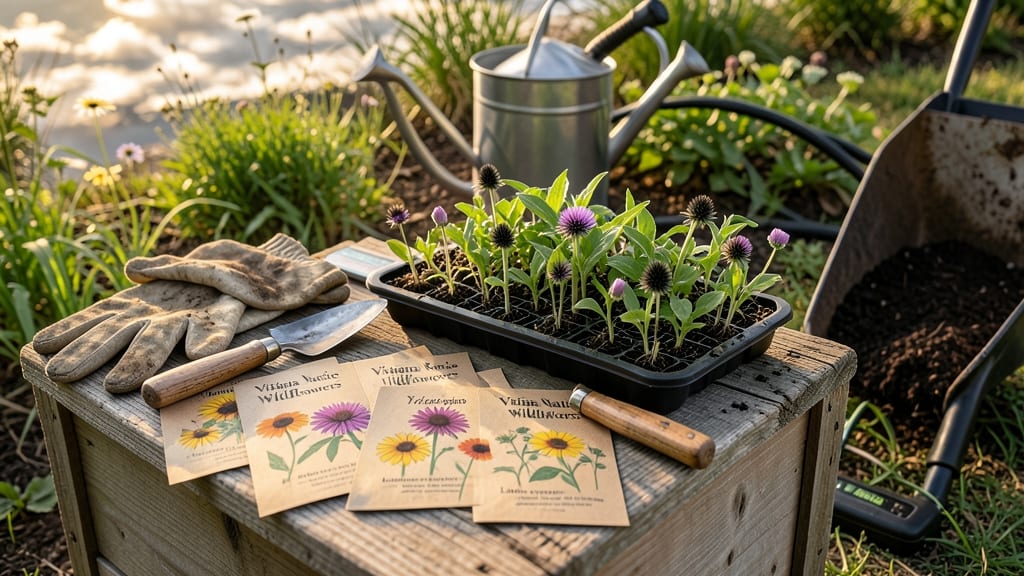
Planting wildflowers in Virginia at the right time means the difference between a burst of color and a flopped garden.
Timing your wildflower planting in Virginia can mean the difference between a vibrant meadow and a missed opportunity—knowing the exact frost-free window by county ensures your seeds thrive, not just survive.
Virginia’s 6a-8a zones shift from late-March last frosts in the mountains to February in the coastal plains, so a one-size-fits-all approach won’t cut it. Whether you’re sowing native black-eyed Susans or delicate phlox, the 30-day window after frost is critical.
Below, I’ll break down the best months for spring vs. fall planting, how to adjust for your specific county, and which wildflowers bloom fastest when timed just right.
Virginia’s frost-free zones & best planting months for wildflowers
Virginia’s diverse climate—spanning USDA zones 5a to 8a—creates unique challenges and opportunities for wildflower gardeners. The last frost date can vary by over 6 weeks across the state, from late February in the Tidewater region (zone 8a) to mid-April in the mountains (zone 5a).
Getting your wildflowers in the ground at the right time ensures strong root establishment before summer heat or winter cold sets in.
Most Virginia gardeners achieve the best results by planting wildflowers in two key windows: early spring (March-April) and fall (September-October). These periods align with soil moisture levels and temperature ranges that help seeds germinate consistently.
For example, Black-eyed Susans and Purple Coneflowers thrive when sown in late March in zone 7a, while Virginia Bluebells prefer the cooler soil of September planting.
Here’s a breakdown of Virginia’s frost-free zones and the ideal planting months for each region to maximize your wildflower success:
If you’re planting in zone 7a or warmer, you can push your spring planting window as early as February, especially for heat-tolerant species like Sunflowers or Zinnias.
In contrast, gardeners in zone 5a should wait until soil temperatures reach at least 50°F (usually late April) to avoid frost damage. For fall plantings, aim to finish by mid-October to allow roots to establish before winter.
Pro tip: Use a soil thermometer
How to adjust planting time for Virginia’s microclimates & soil types
Virginia’s diverse landscapes—from the sandy shores of the coast to the clay-rich Piedmont and mountainous Appalachian slopes—create unique challenges for wildflower planting. Each microclimate demands custom timing adjustments to ensure seeds germinate successfully.
For example, coastal areas like Virginia Beach experience milder winters, while mountain regions like the Blue Ridge face earlier frosts. Understanding these variations helps you extend planting windows and maximize blooms.
Soil type plays an equally critical role. Sandy soils drain too quickly, requiring shallow seed placement and frequent watering, while clay-heavy soils hold moisture but can suffocate roots if not amended. Urban gardens, often packed with compacted soil, may need mulch or compost to improve conditions.
By tailoring your approach to these factors, you can plant wildflowers outside standard windows and create year-round color.
Here’s how to adapt your planting schedule for Virginia’s most common microclimates and soil types:
- 🌱 Coastal Areas (Zones 7b-8a): Plant wildflowers in late February to capitalize on warmer soil temperatures. Use light mulch to retain moisture in sandy soils and water daily for 2 weeks after sowing.
- 🏔️ Mountainous Regions (Zones 5b-6a): Wait until mid-April to avoid late spring frosts. Choose cold-hardy species like Virginia bluebells and wild columbine, and plant deeper (1/4 inch) in rocky soil.
- 🏙️ Urban Gardens (Zones 6b-7a): Extend the fall planting window to mid-October by using black plastic mulch to warm soil. Test soil pH (6.0-7.0 ideal) and amend with compost if compacted.
- 🌾 Clay Soil Regions (Piedmont): Plant in early spring (March) or late summer (August) to avoid waterlogged conditions. Till in sand or peat moss to improve drainage, and sow seeds 1/8 inch deep.
- ☀️ Shady Microclimates (Woodlands): Opt for partial-shade species like wild bergamot and plant in September for fall-to-spring blooms. Use organic mulch to regulate soil temperature.
Don’t overlook the power of seed depth—shallow planting (1/8 to 1/4 inch) works best for most wildflowers, but larger seeds (like sunflowers) need 1/2 inch of coverage.
In drought-prone areas, consider hydroseeding or gel-based seed starters to lock in moisture. For urban heat islands, provide afternoon shade with lightweight shade cloth during peak summer months.
Pro tip: Use a soil thermometer to monitor temperatures—ideal germination range for wildflowers is 60-75°F. If soil is below 50°F, delay planting until conditions improve.
In clay soils, add perlite or vermiculite to improve aeration, while sandy soils benefit from peat moss or coconut coir to retain moisture.
By adjusting for local microclimates and soil conditions, you can plant wildflowers year-round in Virginia—even in unpredictable weather. Start with small test plots to refine your approach, and soon you’ll have a thriving meadow that blooms longer and brighter than ever.