
Transplanting
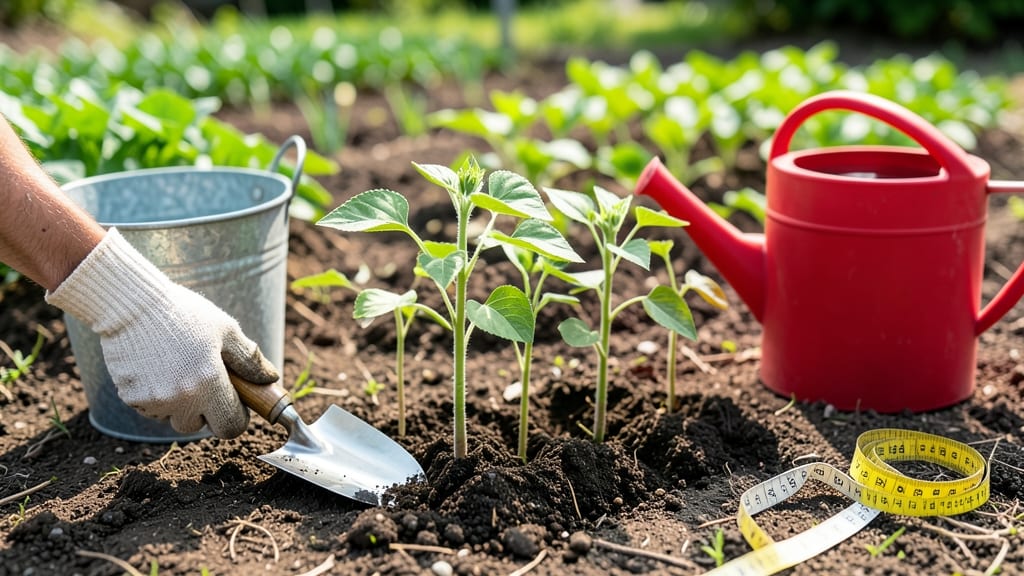
Thinning sunflower seedlings at the right time ensures they grow strong and tall—but wait too long, and you’ll end up with weak stems and fewer blooms.
Picture this: your sunflower 🌻 seedlings are packed in like sardines, reaching for the sky but barely getting any light. That’s the moment you need to act, but timing is everything.
Thin too early, and you risk damaging delicate roots; too late, and you’re fighting for space that could’ve been yours from the start.
Most gardeners thin sunflowers when they’re about 1-2 inches tall, but there are actually three key stages where spacing makes all the difference.
Whether you’re dealing with giant varieties or compact ones, knowing when to step in can mean the difference between a few sad stalks and a field of towering beauty.
In this guide, I’ll walk you through the exact growth stages to watch for, the tools you’ll need, and how to thin without causing stress to your plants. By the end, you’ll have a clear plan to give your sunflowers the space—and the strength—they need to thrive.
3 Critical growth stages to thin sunflower seedlings (with exact height guidelines)
Thinning sunflower seedlings at the right time transforms weak, leggy plants into strong stalks with vibrant blooms. The key lies in recognizing three critical height-based stages, each offering a unique window to prevent competition while minimizing stress on delicate roots.
I’ve learned the hard way that waiting too long leads to stunted growth and pale flowers, but thinning too early can uproot fragile seedlings. Let’s break down the exact moments to act—and what to look for beyond just height.
Sunflowers are fast growers, but their early development is deceptive. Those cotyledon leaves (the first pair) appear within days, but the real growth spurt happens when the true leaves emerge.
This is when you’ll notice seedlings reaching for sunlight, leaning toward each other—a clear sign they’re competing for resources. The good news? Each stage offers a specific height guideline and leaf count to time your thinning perfectly.
Miss these cues, and you risk reduced flower size or even stem collapse under their own weight.
Here’s the game-changer: thinning at the right stage isn’t just about spacing—it’s about root development. Seedlings left too crowded develop shallow, tangled roots that struggle to support towering plants.
By the time they’re 6 inches tall, their roots have already formed a competitive network, making later thinning far riskier. Let’s dive into the three height-based stages where I’ve seen the biggest impact on sunflower health and yield.
When to Thin Sunflower Seedlings by Height
-
1
1–2 inches tall (1–2 true leaves)
Thin to 6–12 inches apart when seedlings have 1–2 sets of true leaves. This is the safest stage—roots are still shallow, and stems are flexible enough to handle gentle pulling. Avoid thinning earlier, or you’ll risk damaging the taproot.
-
2
3–4 inches tall (3–4 true leaves)
Thin to 12–18 inches apart if you missed the first window. Seedlings at this stage have stronger stems but still compact root systems. Use scissors or pruners to cut at soil level—never pull, as it can disrupt root growth.
-
3
6+ inches tall (5+ true leaves)
Final thinning window: space to 18–24 inches apart (or 36 inches for giant varieties). Roots are now deep and established, but stems are thicker and more brittle. Use clean shears to avoid disease transmission between plants.
Pro Tip: Always thin on a cloudy day to reduce transplant shock. Water deeply the night before to soften the soil and protect roots.
At the 1–2 inch stage, seedlings are still in their most delicate phase. This is when their taproot begins to develop, and pulling them can sever critical root growth. I’ve seen gardeners thin too aggressively here, only to watch their sunflowers stunt or lean later.
The key is to space them 6–12 inches apart—close enough to prevent weeds but far enough to avoid nutrient theft. Look for 1–2 sets of true leaves (the second pair after the cotyledons), and you’ll know it’s time.
By the time seedlings hit 3–4 inches, they’ve developed 3–4 true leaves and are actively competing for sunlight. This is your second chance if you missed the first window, but the stakes are higher.
Their roots have elongated, making them more resilient to handling, but their stems are still thin. Use clean pruners to snip at soil level—never yank, as this can rip roots and leave gaps for weeds.
Space them 12–18 inches apart to give their future blooms room to grow.
When seedlings surpass 6 inches, you’re entering the high-risk thinning zone. Their roots are deep, but their stems are thicker and more brittle, making them prone to snapping if handled roughly.
This is the final opportunity to adjust spacing, especially for giant varieties like ‘Mammoth’ or ‘Russian Giant,’ which need 24–36 inches of space. Thin to 18–24 inches for standard varieties, and use sterilized shears to avoid spreading disease through open wounds.
One mistake I see often is thinning based solely on height without checking leaf count. Sunflowers can grow at different rates depending on soil warmth and sun exposure, so always verify with true leaves.
For example, a 4-inch seedling with only 2 true leaves isn’t ready for the 3–4 inch stage spacing—it still needs the 6–12 inch treatment. Pair height with leaf development for the most accurate timing.
Thinning also <
How to thin sunflower seedlings without damaging plants (step-by-step method)
Thinning sunflower seedlings properly prevents overcrowding and ensures each plant gets the nutrients and sunlight needed to grow strong. The key is timing—thin too early, and you risk damaging delicate stems; wait too long, and competition weakens all plants.
I’ve found the best time is when seedlings reach 1-2 inches tall with their first true leaves, but there are other critical stages too.
When thinning, you’ll need to decide between hand-thinning or using tools like scissors or a small trowel. Hand-thinning gives you more control, while tools speed up the process for larger batches.
Either way, handle seedlings gently to avoid breaking stems or pulling up roots. The goal is to leave your strongest plants spaced 6-12 inches apart, depending on the variety.
What to do with the thinned seedlings? You have two eco-friendly options: compost them immediately or transplant them to another area. If you choose to transplant, place them in a shaded spot for a few days to reduce transplant shock. Avoid simply tossing them—they’re still viable and can be useful in another part of your garden.
Here’s a quick comparison of thinning methods to help you decide which works best for your garden setup:
Avoid these common mistakes: thinning too aggressively can shock remaining plants, while leaving gaps wider than 12 inches invites weeds. Also, never thin on a hot, sunny day—wait until morning or evening when temperatures are cooler.
I once thinned my sunflowers midday and noticed wilting in the remaining seedlings by afternoon. It’s a lesson I won’t forget!
After thinning, water the remaining seedlings deeply but gently to help them recover. Mulch around the base to retain moisture and suppress weeds, which will compete with your sunflowers for nutrients.
With proper spacing and care, your sunflowers will grow taller and healthier, producing those iconic blooms you planted them for in the first place.
Thinning might seem like a small task, but it’s one of the most impactful steps in growing sunflowers. Take your time, handle seedlings with care, and soon you’ll be rewarded with a stunning display of sunflower stalks reaching for the sky. 🌻