
How To
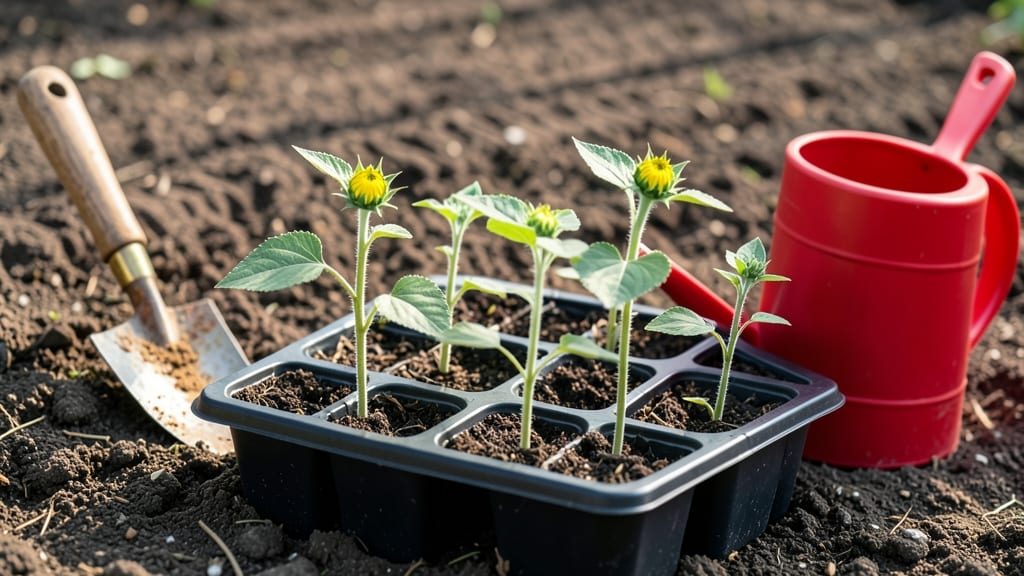
Transfer sunflower seedlings outdoors after the last frost when soil temperatures hit at least 50°F—any earlier risks shock or stunted growth.
You’ve nurtured those 🌻 sprouts indoors, but rushing them outside too soon can turn your towering dreams into leggy, wilted failures. The key? A gradual hardening-off schedule that mimics real-world conditions without overwhelming tender roots.
In USDA Zone 6a, that means waiting until mid-April or later, when nights stay consistently above 40°F. Warmer regions can transplant a week or two earlier, but never skip the 7-10 day acclimation period—it’s the difference between a 10-foot giant and a sad, stunted plant.
Below, I’ll walk you through the exact timeline, signs your seedlings are ready, and how to protect them from wind, pests, and temperature swings once they’re in the ground.
Optimal sunflower seedling transfer timeline by climate zone
Sunflowers are fast-growing giants that demand precise timing when moving from indoor starts to outdoor gardens. Their delicate root systems and rapid growth rate make them vulnerable to transplant shock if rushed.
The best transfer window depends on your climate zone, with soil temperature and frost risk serving as your primary guides.
In cool climates (USDA Zones 1-5), aim to transplant 2-3 weeks after your last frost date when soil temperatures consistently reach 50°F (10°C). These regions benefit from early spring starts (March-April) to maximize growing season length.
Meanwhile, warm climates (Zones 6-10) can often transplant as early as February, provided nighttime temperatures stay above 45°F (7°C).
Sunflowers hate cold soil—roots struggle below 45°F (7°C), leading to poor nutrient uptake. Use a soil thermometer to verify conditions before transplanting. In northern regions, consider using row covers for nighttime protection during early transfers. For southern gardeners, focus on avoiding late spring frosts that can damage tender seedlings.
Sunflowers thrive in warm soil, so consider using black plastic mulch to accelerate warming in cool climates. This technique can shave 1-2 weeks off your transfer timeline by raising soil temperatures by 5-10°F.
For container gardeners, ensure pots have drainage holes and use lightweight potting mix to prevent root suffocation during rapid growth.
Your seedling size also affects timing—wait until they reach 3-4 inches tall with 2-3 true leaves before transplanting. Larger seedlings establish faster but may need staking support due to their height.
In northern latitudes, prioritize early maturing varieties (like 'Teddy Bear' or 'Moulin Rouge') to ensure they reach maturity before frost.
Watch for signs of readiness like sturdy stems and vibrant green leaves. Avoid transplanting when rain is forecasted—wet soil compacts easily and can suffocate sunflower roots. Instead, choose overcast days for the initial transfer to reduce stress from direct sunlight.
In humid climates, space seedlings 18-24 inches apart to prevent fungal diseases that thrive in crowded, moist conditions.
Remember that sunflowers grow fastest when transplanted into well-draining soil with organic matter. Amend your garden beds with compost before planting to provide the nutrients these heavy feeders will need. For sandy soils, mix in peat moss to improve water retention during their critical establishment phase.
Timing your transfer correctly means the difference between 6-foot giants and stunted plants. Pay attention to local weather patterns—some years bring earlier frosts while others extend growing seasons. When in doubt,
Step-by-step hardening off schedule for sunflower seedlings
Transferring sunflower seedlings outdoors too quickly can shock their delicate systems, but a gradual hardening-off schedule builds resilience. Start this process when seedlings have 2-4 true leaves and are at least 6-8 inches tall.
The goal? Mimic outdoor conditions over 7-10 days to toughen stems and roots before permanent transplanting.
Begin by moving seedlings to a shaded outdoor spot during the coolest part of the day—early morning or late afternoon. Avoid midday sun, which can scorch tender leaves.
Use a porous container (like a nursery pot) to prevent root circling, and water thoroughly before moving them outside to reduce stress.
- Day 1-2: Place seedlings in partial shade for 1-2 hours. Monitor for wilting—water immediately if needed.
- Day 3-4: Extend exposure to 3-4 hours in morning sun. Gradually shift to afternoon shade if temps exceed 75°F (24°C).
- Day 5-6: Move to direct sunlight for 4-6 hours. Introduce a light breeze (like a fan) to mimic outdoor conditions.
- Day 7-8: Leave seedlings outdoors all day but bring them in at night if temps drop below 50°F (10°C).
- Day 9-10: Overnight in protected outdoor spot (e.g., under a cloche or row cover) if frost risk remains.
Watch for healthy signs like dark green leaves and sturdy stems—these indicate readiness for transplanting. If seedlings wilt slightly but perk up after watering, they’re adjusting well. Yellowing leaves or drooping signal they’re not ready yet.
For nighttime protection, use frost blankets or move pots to a garage or sheltered porch if temperatures dip below 45°F (7°C). Sunflowers are frost-sensitive, so never leave them exposed overnight until all frost risk has passed in your zone.
On transplant day, choose a cloudy morning to minimize stress. Dig holes twice as wide as the root ball and space seedlings 12-24 inches apart (depending on variety). Water deeply after planting to settle soil and reduce air pockets around roots.
After transplanting, mulch heavily with straw or grass clippings to retain moisture and regulate soil temperature. Avoid fertilizing for 1-2 weeks—focus on watering deeply every 2-3 days until new growth appears. Your sunflowers will reward your patience with vibrant blooms reaching for the sky! 🌻