
Planting
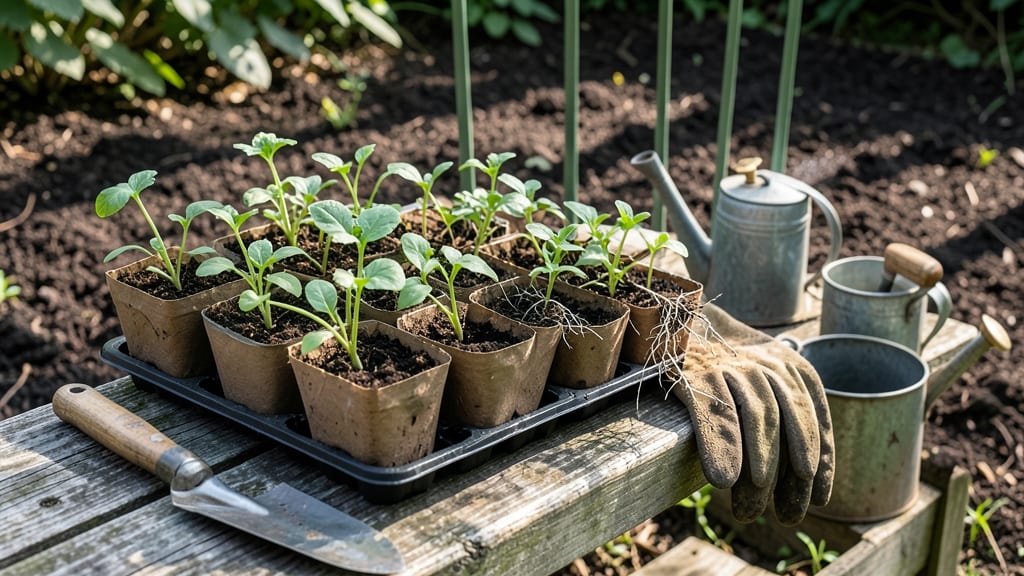
Transplanting flower seedlings at the right time—when soil warms to 60°F+ and night temps stay above 50°F—sets the stage for vibrant blooms all season.
Timing your flower seedling transplants isn’t just about soil temperature—it’s a delicate dance with nature’s cycles, especially when harnessing the moon’s gravitational pull for stronger root development. 🌸
Miss the window, and you risk stunted growth or frost damage, while planting too early can leave seedlings vulnerable to cold snaps. In USDA Zone 6a, aim for mid-April to early May after the last frost.
Below, I’ll break down the best moon phases for transplanting, how to tell if your seedlings are ready, and climate-specific tips to keep your blooms thriving from the start.


Optimal moon phases for transplanting flower seedlings
Transplanting flower seedlings under the right moon phase can dramatically improve root establishment and overall plant health. The moon’s gravitational pull influences water movement in soil, making some phases ideal for root-focused tasks like transplanting.
For annual flowers and perennial seedlings, timing matters—especially when balancing lunar cycles with local climate conditions.
Lunar gardening divides the moon’s cycle into three key phases: root sign (new moon to first quarter), fruit sign (full moon), and leaf sign (last quarter to new moon).
Root sign phases are prime for transplanting because they encourage strong root development, which is critical for seedlings adapting to their new home.
Here’s how to align your transplanting schedule with the moon’s energy for maximum success with different flower types:
| Moon Phase | Best For | Flower Types | Transplant Timing |
|---|---|---|---|
| Root Sign (New Moon - First Quarter) | Root Development | Perennials, Bulbs, Root Crops | 3 days before to 3 days after new moon |
| Fruit Sign (Full Moon) | Flower/Fruit Production | Annual Flowers (Marigolds, Zinnias) | Avoid transplanting; focus on pruning |
| Leaf Sign (Last Quarter - New Moon) | Foliage Growth | Leafy Annuals (Coleus, Petunias) | Ideal for leafy transplants only |
| Waning Crescent | Root Strength | Perennial Flowers (Roses, Lavender) | Best window for deep-rooted plants |
For annual flowers like marigolds or zinnias, aim to transplant during the waning gibbous phase (just before full moon) when root energy is still strong but fruit energy hasn’t peaked. This balance helps seedlings establish roots quickly while encouraging blooms later in the season.
Conversely, perennial flowers such as lavender or coneflowers thrive when transplanted during the root sign phase. These plants benefit from the moon’s gravitational pull to develop extensive root systems before entering dormancy or their first blooming cycle.
Always pair moon phase timing with local frost dates. Even the best lunar alignment won’t help if nighttime temperatures dip below 50°F. Wait until soil warms to at least 60°F and all frost risk has passed in your USDA Zone.
Pro tip: Use a lunar calendar to track phases, but don’t stress over perfection. Even a day’s difference rarely derails transplant success if seedlings are healthy and soil conditions are ideal. The moon’s influence is subtle but real—especially for delicate seedlings adapting to outdoor conditions.
After transplanting, focus on watering deeply in the morning during the first week to help roots establish. Mulch around the base to retain moisture and reduce stress during this critical adjustment period.
🌱
Seedling readiness checklist before transplanting flowers
Determining when your flower seedlings are ready for transplanting goes beyond checking the calendar. Healthy seedlings show clear physical signs of readiness—like sturdy stems and robust root systems—that ensure they thrive in their new garden home.
I’ve learned the hard way that rushing this step can lead to weak plants that struggle to establish, so let’s focus on what truly matters: the seedlings themselves.
Before you even consider the moon phase or soil temperature, you need to assess your seedlings’ physical development. This means examining their leaf count, root structure, and how well they’ve adapted to outdoor conditions through a process called hardening off.
Skipping these steps often results in transplant shock, where seedlings wilt or fail to grow after being moved. Let’s break down the key indicators to watch for.
- 🌱 3-4 sets of true leaves: Seedlings should have 3-4 mature leaves (not just the initial seed leaves). This indicates they’ve developed enough energy to support new growth.
- 🪴 Root-bound but not crowded: Gently remove seedlings from their pots to check for roots filling the container but not circling tightly. Healthy roots should spread outward, not wrap around the root ball.
- ✂️ Sturdy stems: Seedlings should stand upright on their own without leaning or bending. Weak stems often signal they need more time to harden off.
- 💧 Consistent watering needs: If seedlings require watering every 2-3 days without wilting, their root systems are strong enough to handle outdoor conditions.
- 🌡️ Hardened off for 7-10 days: Seedlings must endure gradual exposure to outdoor temperatures, wind, and sunlight for at least a week before transplanting.
One of the most common mistakes I see is transplanting seedlings that haven’t completed their hardening-off process. This gradual acclimation to outdoor conditions—starting with just a few hours of sunlight and increasing daily—prevents shock. I recommend starting this process 10-14 days before your planned transplant date.
Begin by placing seedlings in a shady, sheltered spot for 2-3 hours, then gradually increase their exposure to direct sunlight and wind over the week.
Another critical factor is the root system. When you gently remove a seedling from its container, you’re looking for roots that have filled the space but aren’t circling the root ball.
If roots are tightly wrapped, it’s a sign the seedling has been in the pot too long and may struggle to adapt. In this case, I recommend pruning the roots slightly before transplanting to encourage outward growth into the new soil.
Don’t forget to consider the leaf development of your seedlings. True leaves—those that develop after the initial seed leaves—should be fully unfurled and vibrant. If leaves appear yellow, stunted, or pale, it’s a red flag that the seedling isn’t ready.
These signs often indicate nutrient deficiencies or stress, which can be exacerbated by transplanting. Instead, focus on providing balanced fertilizer and optimal growing conditions until the seedlings show signs of strength.
Finally, timing your transplant isn’t just about the seedlings—it’s also about the weather forecast. Even if your seedlings meet all the readiness criteria, avoid transplanting if rain or high winds are predicted for the next few days.
Wet soil can compact too easily, making it harder for roots to establish, while wind can stress young plants. Always check the 5-day forecast and plan your transplanting day for a calm, overcast morning when conditions are ideal.