
Flowers
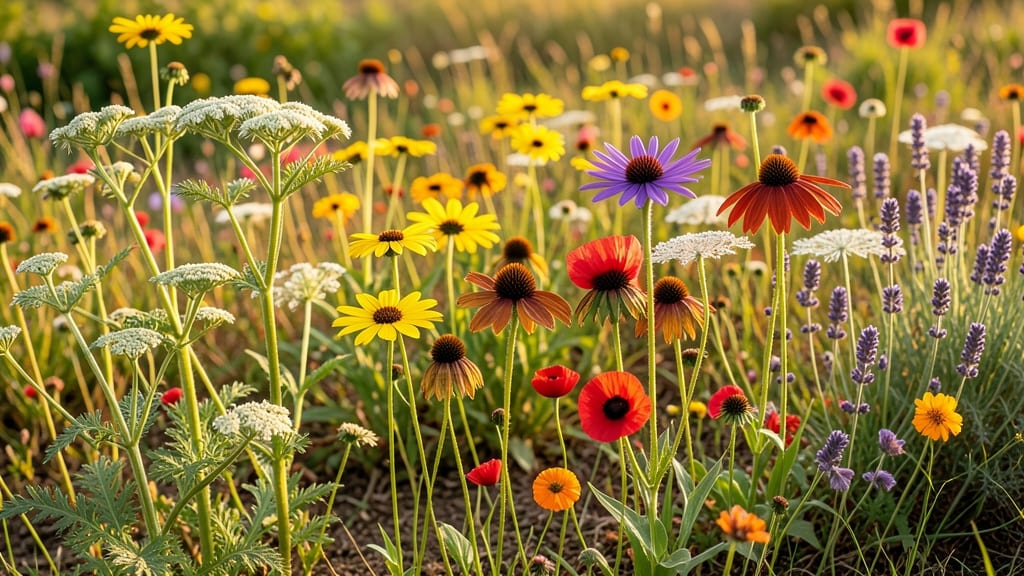
Creating a vibrant wildflower meadow with flowers 🌼 that thrive all season is easier than you think—and it starts with the right seed mix for your climate.
Picture this: a backyard bursting with color from spring to fall, buzzing with bees and butterflies, all while requiring less work than mowing a lawn. That’s the magic of a well-planned wildflower meadow, where nature does most of the heavy lifting for you.
But here’s the catch—choosing the wrong mix can leave you with patchy blooms or weeds taking over. The key is selecting native wildflowers that love your soil and sunlight, paired with a few low-maintenance stars like black-eyed Susans or coneflowers for year-round interest.
In this guide, I’ll walk you through picking the perfect flowers for your zone, designing a layout that wows, and keeping your meadow lush with minimal effort—so you can enjoy the beauty without the backbreaking work.
How to choose wildflower meadow flowers for year-round blooms
A wildflower meadow transforms any yard into a low-maintenance pollinator paradise. The key to success? Selecting native and non-native varieties that thrive in your USDA Zone 6a climate while offering continuous blooms from spring to fall.
These flowers not only reduce water needs but also support local ecosystems by feeding bees, butterflies, and birds.
Start by identifying your sunlight conditions. Most wildflower meadows require full sun (6+ hours daily), but some varieties tolerate partial shade. Next, prioritize drought-resistant species like black-eyed Susan or purple coneflower, which need minimal water once established.
Finally, mix early, mid, and late-season bloomers to ensure color year-round.
Native wildflowers are the easiest choice—they're adapted to your local soil and weather. For example, wild bergamot blooms June through August, while goldenrod lights up late summer and fall. Non-natives like cosmos and zinnia add vibrant colors but may require occasional deadheading to prolong blooms.
Consider your meadow size and maintenance goals. Taller varieties like sunflowers (4-6 ft) create dramatic backdrops, while dwarf varieties (6-12 inches) like alyssum add texture near pathways. Aim for a mix of heights to create visual interest and reduce mowing frequency.
| Flower Variety | Bloom Season | Height Range | Sun Needs | Drought Tolerance | Pollinator Value |
|---|---|---|---|---|---|
| Black-eyed Susan | Summer-Fall | 2-3 ft | Full Sun | High | Bees, Butterflies |
| Purple Coneflower | Summer-Fall | 2-4 ft | Full Sun-Partial Shade | Very High | Bees, Birds |
| Wild Bergamot | Summer | 2-4 ft | Full Sun | High | Bees, Hummingbirds |
| Cosmos | Summer-Fall | 2-4 ft | Full Sun | High | Bees, Butterflies |
| Goldenrod | Late Summer-Fall | 2-3 ft | Full Sun | Very High | Bees, Butterflies |
| Alyssum | Spring-Summer | 6-12 inches | Full Sun-Partial Shade | Moderate | Bees, Hoverflies |
| Zinnia | Summer-Fall | 1-4 ft | Full Sun | Moderate | Bees, Butterflies |
| Milkweed | Summer-Fall | 2-4 ft | Full Sun-Partial Shade | High | Monarch Butterflies |
For a true year-round display, layer spring bloomers like wild columbine with late-season varieties such as asters. Columbine blooms March-May, while asters shine from August through October. This succession planting technique ensures no bare patches and keeps pollinators fed throughout the growing season.
When selecting seeds, opt for pre-mixed wildflower blends designed for your region, or create your own mix. For example, combine 30% early bloomers (like phlox), 40% mid-season flowers (like coreopsis), and 30% late-season varieties (like sedum). This ratio creates a balanced, low-maintenance
Best wildflower meadow flowers by season: a color guide
A wildflower meadow transforms your yard into a living canvas that changes colors with each season. The key to a stunning display lies in selecting the right flowers for each time of year. Spring kicks off with delicate blooms, summer explodes with bold colors, and fall offers rich, warm hues.
Let’s explore the best seasonal wildflowers to ensure your meadow stays vibrant all year.
When planning your meadow, consider height ranges and sunlight needs to create depth and texture. Tall flowers like Joe Pye weed can serve as backdrops, while shorter varieties like black-eyed Susans add foreground interest.
Most wildflowers thrive in full sun (6+ hours), but some, like columbine, tolerate partial shade. Let’s dive into the seasonal stars!
🌸 Seasonal Wildflower Highlights
- Spring (March-May): Virginia bluebells (1-2 ft, partial shade) and wild geranium (1-2 ft, full sun) offer soft purples and whites. Bloodroot (6-12 in, shade) adds delicate white blooms with yellow centers.
- Summer (June-August): Black-eyed Susan (2-3 ft, full sun) and coneflower (2-4 ft, full sun) dominate with golden-yellow and pink hues. Butterfly weed (1-2 ft, full sun) attracts pollinators with its bright orange flowers.
- Fall (September-November): Aster (1-4 ft, full sun) and goldenrod (2-3 ft, full sun) bring late-season color in purples and yellows. Sedum (1-2 ft, full sun) adds succulent-like foliage with starry blooms.
For a low-maintenance meadow, focus on native wildflowers that thrive in your climate. These plants require minimal water once established and support local ecosystems by attracting bees, butterflies, and birds. For example, purple coneflower not only blooms from summer to fall but also provides seeds for wildlife in winter.
Mixing perennial and annual wildflowers ensures continuous blooms. Perennials like bee balm return year after year, while annuals like cosmos self-seed for effortless renewal. Plant taller flowers at the back and shorter ones in front to create a layered effect that’s both beautiful and functional.
Don’t forget to include drought-tolerant varieties like lupine or yarrow to reduce watering needs. These plants thrive in well-drained soil and can handle dry spells once their roots are established. A little planning now means less work later and more time enjoying your meadow’s ever-changing colors.
Start small if you’re new to wildflower meadows—even a 10x10 ft patch can make a big impact. Experiment with different combinations each season to discover what thrives in your space. With the right mix, your meadow will become a pollinator paradise and a year-round showstopper! 🌻