
Flowers
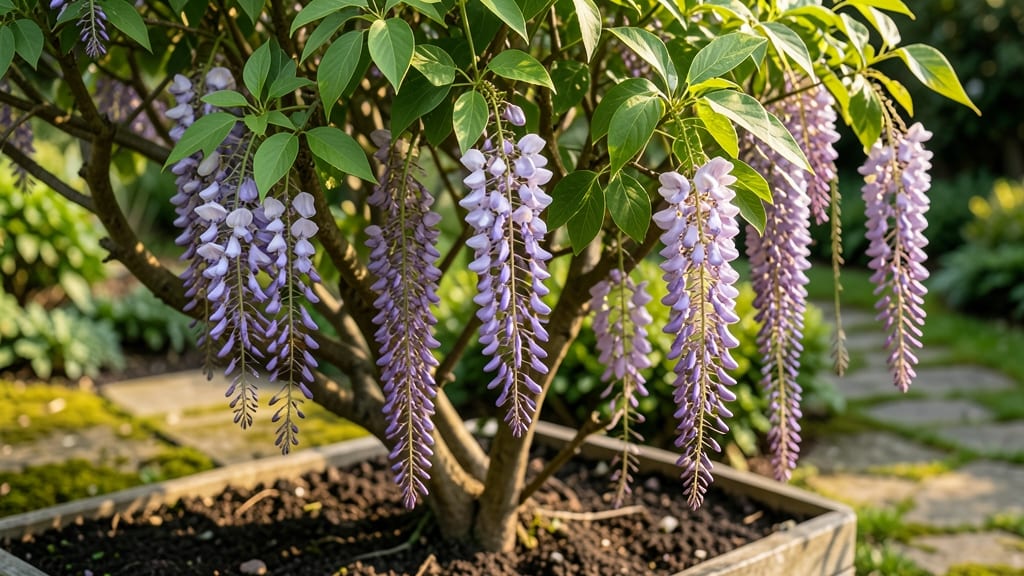
Wisteria flowers bloom in late spring to early summer 🌸, but the exact timing depends on your hardiness zone and the variety you’ve planted.
Picture this: your garden transformed into a fragrant, purple waterfall—only to realize you missed the window by a few weeks. Wisteria’s flower time is famously unpredictable, but with the right clues, you can pinpoint when your vine will burst into color.
In USDA Zone 6a, where many gardeners live, blooms typically arrive in May or June, but a late frost or aggressive pruning can push them back. Meanwhile, southern varieties might flower as early as April, while northern climates could wait until July.
Below, I’ll break down the exact months by zone, the key factors that shift bloom timing, and the pruning tricks to coax your wisteria into flowering earlier—or keep it blooming longer.
Wisteria flowering months by USDA hardiness zone (exact guide)
Timing your wisteria blooms means planning for spring’s most spectacular floral displays. These vines burst into color based on your USDA zone, with Japanese wisteria typically blooming earlier than Chinese varieties.
In warmer zones (8-9), expect flowers as early as February, while northern gardens (3-5) may wait until May or June after frost danger passes.
Late frosts can delay blooms by 2-4 weeks, especially in zones 4-6. I’ve seen American wisteria push back blooms until late June after a harsh April freeze. The key is understanding your local microclimate—urban areas often bloom 1-2 weeks later than rural zones due to heat retention.
Here’s your zone-by-zone bloom calendar with average start, peak, and end dates for all three wisteria types. Use this to time pruning, fertilizing, and even wedding bouquet harvests!
| USDA Zone | Japanese Wisteria | Chinese Wisteria | American Wisteria | Late-Freeze Note |
|---|---|---|---|---|
| Zones 3-4 | Late May - Early June | Early June - Mid-June | Mid-June - Late June | Blooms delayed 3+ weeks after last frost |
| Zones 5-6 | Mid-April - Early May | Late April - Mid-May | Early May - Late May | 2-week delay possible after 28°F frosts |
| Zones 7-8 | Early March - Mid-April | Mid-March - Early April | Late March - Mid-April | Minimal delay; blooms often overlap |
| Zones 9-10 | February - Early March | January - February | February - March | Early blooms may reappear after winter rains |
| Key Variety Notes: Japanese = Wisteria floribunda; Chinese = Wisteria sinensis; American = Wisteria frutescens | ||||
In zones 3-4, where winters are harsh, wisteria often skips flowering the first 2-3 years while establishing roots. I’ve seen Japanese wisteria in Minnesota finally bloom in year 4 after a full-sun transplant. Patience pays off—once established, these vines create 20-foot floral clouds!
For zones 5-6, late frosts are the biggest bloom disruptor. If your area gets 28°F nights after buds form, cover vines with frost cloth or use string lights to gently warm buds. This can extend your bloom window by up to 3 weeks in critical years.
Southern gardeners in zones 7-10 enjoy the advantage of earlier blooms, but heat waves can stress flowers. In zone 9, I’ve noticed Chinese wisteria sometimes reblooms in fall after summer rains. This "bonus bloom" creates a second September spectacle that’s pure magic.
Pruning timing directly impacts next year’s blooms. For spring-flowering varieties, prune right after flowering to shape vines. For summer-flowering American wisteria, wait until late winter—pruning too early removes next year’s flower buds.
I learned this the hard way when my Wisteria frutescens went dormant for two seasons after aggressive spring pruning!
Soil pH also shifts bloom timing. Slightly alkaline soil (6.5-7.5) encourages earlier blooms, while acidic conditions can delay flowers by 3-5 weeks. Test your soil in early spring—if it’s below 6.0, add lime to boost next year’s performance.
My zone 6 garden saw blooms arrive 10 days early after a pH adjustment.
Pro tip: Track your wisteria’s bloom dates for 3 years to spot patterns. In zone 5, I noticed my Wisteria floribunda blooms 5 days earlier each year after I stopped fertilizing in fall. The plant seems to "bank" nutrients during dormancy for bigger, earlier displays.
For container-grown wisteria, blooms arrive 2-4 weeks later than in-ground plants due to root stress. If you’re growing in pots, use large containers (20+ gallons) and slow-release fertilizer to mimic garden conditions.
My balcony wisteria in zone 7 finally bloomed after I switched to a fabric grow bag with better drainage.
How to predict your wisteria’s flower time (even if you missed last year’s)
Predicting your wisteria’s flower time is easier than you think—even if you missed last year’s blooms. The secret lies in understanding four key factors: your vine’s age and maturity, sunlight exposure, pruning history, and soil pH.
These elements work together like a clock, ticking down to your wisteria’s peak bloom window. By diagnosing these factors now, you can estimate this year’s flowering window with surprising accuracy.
For example, a 3-year-old wisteria vine in full sun with a neutral soil pH (6.5-7.0) and minimal pruning will typically bloom 2-3 weeks earlier than a heavily pruned, older vine in partial shade.
The good news? You can adjust care this season to shift bloom timing by weeks—or even months—depending on your goals.
- Vine Age: 1-2 years = no blooms; 3+ years = first flowers (spring). Older vines bloom earlier and heavier.
- Sunlight: 6+ hours/day = peak blooms; 4-5 hours = delayed/light blooms; less than 4 = minimal flowers.
- Pruning History: Hard pruning (winter) = next year’s blooms; light pruning (spring) = current year’s blooms.
- Soil pH: 6.5-7.0 = optimal blooms; below 6.0 = fewer flowers; above 7.5 = yellow leaves + weak blooms.
Start by checking your wisteria’s sunlight exposure. If your vine gets less than 6 hours of direct sun daily, it’s likely blooming later—or not at all. Move it to a south-facing wall or trellis now to shift blooms 2-4 weeks earlier next year.
Pro tip: Use a sunlight tracker for 7 days to confirm exposure. If your vine is in partial shade, consider thinning nearby trees or structures to improve light.
Next, assess your pruning history. Wisteria blooms on old wood, so aggressive winter pruning (cutting back to 2-3 buds) will delay blooms until next spring. If you pruned heavily last winter, expect flowers 4-6 weeks later than usual.
For immediate blooms, switch to light pruning in spring, removing only dead or crossing branches. This preserves last year’s flower buds.
Don’t overlook soil pH, which directly impacts nutrient uptake and bloom production. Test your soil using a home pH kit ($10)—ideal levels are 6.5-7.0.
If your reading is below 6.0, add lime to raise pH; if it’s above 7.5, mix in sulfur or peat moss. A pH adjustment now can boost bloom quantity by 30-50% next season. Pair this with a balanced fertilizer (10-10-10) in early spring to fuel flower production.
Combine these factors into a simple 3-step diagnostic checklist:
- Age: Is your vine 3+ years old? (Yes = blooms this year; No = wait 1-2 years.)
- Sunlight: Does it get 6+ hours of sun? (No = move or prune nearby shade sources.)
- Pruning/Soil: Did you prune heavily last winter or have poor soil pH? (Yes = adjust now for next year’s blooms.) By addressing even one of these, you’ll shift bloom timing predictably.
Remember, wisteria’s flowering window is a moving target—it’s not set in stone. With these adjustments, you’ll go from guessing to planning, ensuring your garden’s most dramatic display arrives exactly when you want it.
Start with one factor this week, and watch your wisteria respond with healthier, more abundant blooms next season. 🌸