
Flowers
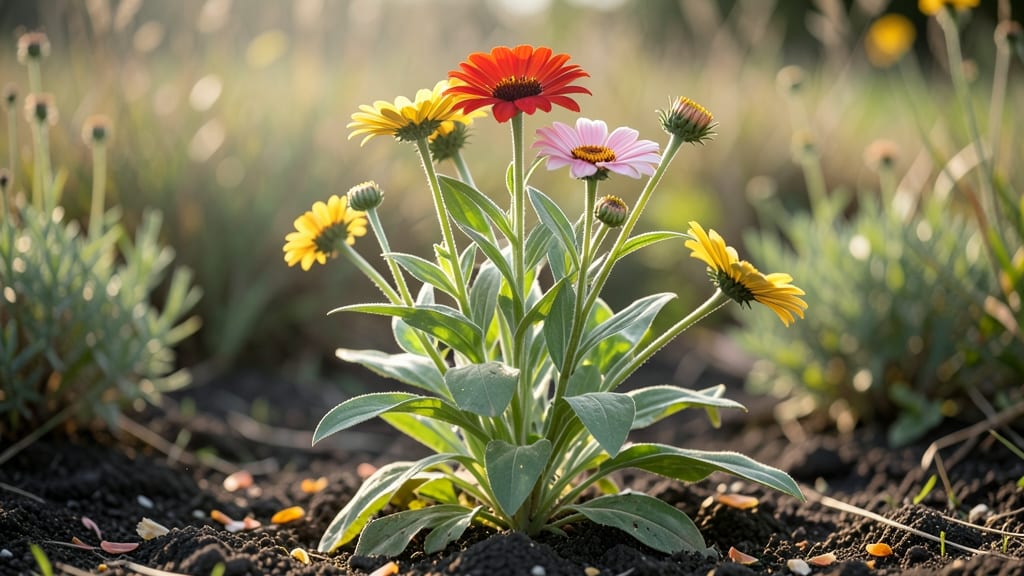
Zinnia flowers thrive best in full sun or partial shade, but getting the light right is the key to long-lasting blooms and healthy plants.
Struggling to keep your zinnias blooming beautifully? The secret often lies in understanding their light requirements—whether they thrive in full sun or can tolerate partial shade.
These vibrant 🌼 zinnias love basking in 6-8 hours of sunlight daily, but they can still produce flowers in partial shade, though with some adjustments. Too little light, and you’ll end up with leggy stems and fewer blooms.
In this guide, I’ll break down exactly how much sun zinnias need, how to adapt them to partial shade, and which varieties perform best in different light conditions.
 Best Window Placement
How much sun do zinnia flowers need for optimal growth?
If you're growing zinnia flowers, sunlight is the most critical factor for vibrant blooms and strong stems. These cheerful annuals absolutely thrive in full sun, with 6 to 8+ hours of direct sunlight producing the most abundant and long-lasting flowers.
Without enough light, you'll notice fewer blooms and leggy stems reaching toward any available light source.
Zinnias are sun worshippers—when planted in full sun gardens, they reward you with bold colors and continuous blooming from summer through fall. Even dwarf varieties need at least 4-6 hours of sun daily to perform well, though they'll never reach their full potential without more.
The key is positioning them where they'll get morning sunlight plus afternoon rays.
Here's a quick reference to help you understand zinnia sunlight needs at a glance:
| Requirement | Specification | Notes |
|---|---|---|
| Ideal Sunlight | 6-8+ hours direct | Maximum blooms, sturdy stems |
| Minimum Sunlight | 4-6 hours | Reduced blooms, leggy growth |
| Partial Shade Tolerance | 2-4 hours | Poor performance, weak stems |
| Best Time for Sun | Morning + afternoon | Avoid hot afternoon sun in extreme climates |
For seasonal adjustments, zinnias planted in early spring need extra care as days lengthen. Start them in partial shade until established, then gradually move to full sun over 2-3 weeks.
This prevents shock from sudden sunlight exposure. In hot climates, afternoon shade can prevent wilting while still providing enough light for robust growth.
Watch for these signs of light deficiency in your zinnias: leggy stems stretching toward light, fewer flower buds forming, and pale foliage. These are clear indicators your plants aren't getting enough sunlight.
If you notice these symptoms, consider moving your zinnias to a sunnier spot or using reflective mulch to bounce more light onto the plants.
In container gardening, place zinnias on south-facing balconies or sunny patios where they'll receive maximum sunlight. Rotate containers every few days to ensure even growth. If your balcony gets only partial sun, choose dwarf varieties like 'Thumbelina' which tolerate slightly lower light conditions better than taller types.
One common misconception is that zinnias can thrive in deep shade. While they can survive with minimal light, their blooming potential drops dramatically. Even 2-3 hours of direct sun can make a noticeable difference in flower production.
If you're limited to shade, focus on pruning regularly to encourage bushier growth and more blooms.
For maximum blooms, pair your zinnias with low-growing companions like marigolds or nasturtiums. These plants won't compete for sunlight while adding color and helping deter pests.
In urban gardens with limited space, consider vertical gardening by training zinnias to grow along trellises or fences where they can reach upward for sunlight.
Remember, the more sunlight your zinnias receive, the more vibrant and long-lasting their blooms will be. With 6-8 hours of direct sun, you'll enjoy continuous flowering from summer through fall, making them one of the most rewarding annuals for gardeners.
Start by giving them the best possible light conditions, and you'll be rewarded with a sea of color that lasts all season long! 🌼☀️
Growing zinnia flowers in shade: what to expect and how to adapt
Zinnia flowers prefer full sun for vibrant blooms, but partial shade can work if you adapt your approach. While they won’t thrive in deep shade, 3-4 hours of filtered light daily can support growth with adjustments. The key is understanding how shade affects their stem strength and flower production.
In partial shade, zinnias may produce fewer blooms and longer stems as they stretch toward light. However, choosing the right varieties and care techniques can help you maximize their potential. Let’s explore what to expect and how to adapt your gardening strategy for shade-loving zinnias.
Zinnia Flowers in Shade: Pros and Cons
✅ Pros
- Less heat stress in hot climates
- Slower bolting (prevents early flowering)
- Works for containers on patios or balconies
- Reduces powdery mildew risk in humid areas
❌ Cons
- Fewer blooms compared to full sun
- Leggy stems require staking
- Smaller flowers with less vibrancy
- Higher maintenance needed for optimal growth
For shade-tolerant zinnias, opt for dwarf varieties like the 'Crystal Series' or 'Benary’s Giant' (though the latter prefers more light). These types handle partial shade better and produce compact blooms. Pair them with reflective surfaces like white mulch or light-colored walls to bounce extra light onto the plants.
To encourage bushier growth in shade, prune regularly to remove leggy stems and promote side branching. Pinch back the tips of young plants to encourage fuller foliage. Additionally, container gardening offers flexibility—use light-colored pots and place them where they receive morning sun for the best results.
Companion planting can also help zinnias thrive in shade. Pair them with tall, sun-loving plants like sunflowers or cosmos to create a microclimate with better light exposure. Avoid planting near shady perennials like hostas, which compete for light and nutrients.
If growing zinnias in deep shade is unavoidable, consider artificial grow lights for 4-6 hours daily to supplement natural light. A simple LED grow bulb can make a significant difference in stem strength and flower production.
Just ensure the light source is 12-18 inches above the plants to avoid overheating.
With the right varieties, pruning, and light management, you can still enjoy vibrant zinnia blooms in partial shade. While they won’t match the abundance of full-sun zinnias, a little extra care goes a long way in creating a stunning shade garden. 🌿