
Planting
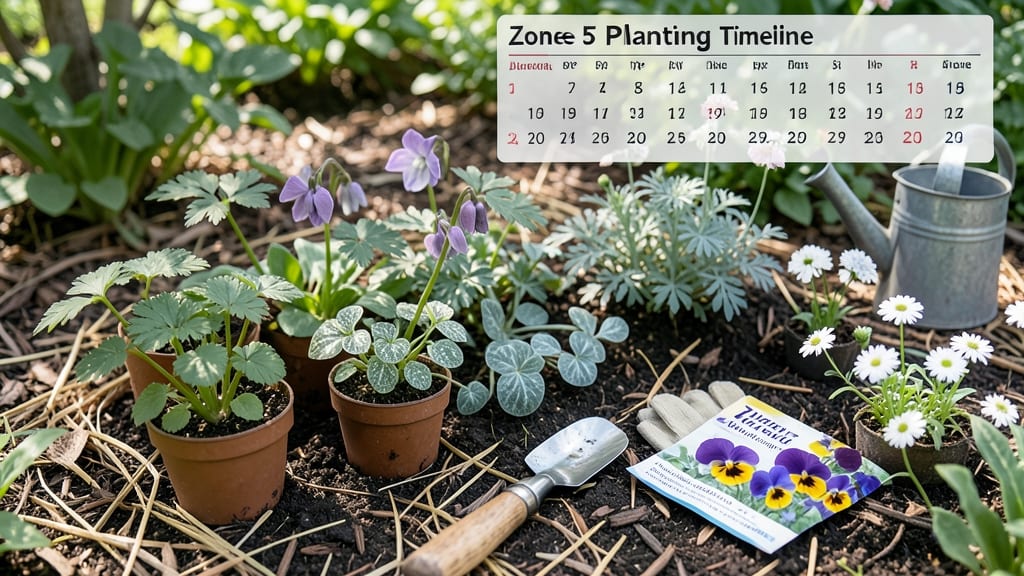
Your Zone 5 flower planting schedule is the key to unlocking a garden bursting with color—if you nail the timing, that is.
Picture this: you’ve spent hours selecting the perfect 🌸 Zone 5 flowers—vibrant marigolds, hardy coneflowers, maybe even some fragrant peonies—only to watch them fizzle because you planted them too early or too late.
The difference between a thriving garden and a season of disappointment often comes down to those critical deadlines, especially in Zone 5’s unpredictable climate.
In this guide, I’ll break down the exact month-by-month schedule for planting annuals, perennials, and bulbs, tailored to Zone 5’s last frost dates (April 15) and first frost (October 15).
Whether you’re prepping for spring bulbs in March or fall perennials in August, you’ll know when to plant to maximize blooms—and avoid the common mistakes that waste your effort.
You’ll walk away with a printable checklist, hardiness-specific tips, and the confidence to adjust for early frosts or heatwaves. Let’s get those Zone 5 flowers in the ground at the perfect time.

Zone 5 flower planting schedule by frost dates (with last chance deadlines)
Zone 5 gardeners face a tight window between spring thaw and fall frost—typically just 150 frost-free days—so timing is everything.
Missing your last frost date (usually April 15) can delay annuals by weeks, while planting heat-sensitive varieties too late (after June 15) risks wilting before they bloom. My schedule breaks down exactly when to plant bulbs, seeds, and transplants to maximize your garden’s potential.
Key deadlines in Zone 5 revolve around soil temperature (aim for 60°F+ for seeds) and frost risk. For example, tender annuals like petunias must go in after May 15, while cold-hardy perennials like coneflowers can wait until late May.
Below, I’ve organized your month-by-month tasks with last-chance reminders to avoid costly mistakes.
📅 Critical Dates for Zone 5: - Last Frost: April 15 (varies ±7 days) - Soil Warms to 60°F: Mid-May - First Frost Risk: October 15 - Heat Wave Threshold: 85°F+ (June–August)
For Zone 5’s short growing season, succession planting is your secret weapon. For example, sow bush beans every 2 weeks from May 15 to July 1 to stretch harvests. Similarly, marigolds planted in early June and again in mid-July will give you non-stop blooms until frost.
Pro tip: Mark your calendar for June 15—this is your last chance to plant heat-sensitive annuals like impatiens before they bolt.
Perennials deserve special attention in Zone 5. Most establish best when planted in early spring (April) or early fall (September), giving roots time to settle before winter. For instance, peony roots should go in by May 10, while daylilies can wait until late May—but avoid planting after June 1 to prevent stress from summer heat. Always water deeply after planting to encourage root growth.
Don’t overlook fall planting—it’s when bulbs and cool-season perennials thrive. Crocuses and snowdrops planted in September will reward you with early spring color, while pansies sown in late August bloom until frost.
Even hardy annuals like calendulas can be direct-sown in early September for a late-season splash of color. The key? **Mul
How to adjust your Zone 5 flower planting schedule for early/late frosts
Zone 5’s unpredictable frost dates can throw off even the most organized planting schedule. Whether you face an early spring frost or a late fall freeze, these adjustments will help you protect your flowers and extend your growing season.
The key lies in understanding your microclimate and choosing the right strategies for your specific situation.
First, identify your local frost dates—they can vary by 1-2 weeks even within the same zone. Check with your local cooperative extension office or use a frost date calculator to pinpoint your exact window. Once you know your dates, you can shift planting times or protect vulnerable plants accordingly.
- 🌱 1. Choose Cold-Hardy Varieties: Opt for tough annuals like pansies, snapdragons, and calendulas, which can handle light frosts (28°F). Perennials like coneflowers and black-eyed Susans also thrive in Zone 5’s cooler temps.
- 🌡️ 2. Use Row Covers: Lightweight frost blankets can protect seedlings and tender plants by raising temps 5-8°F. Secure them with bricks or clips to prevent wind damage. Remove during the day to avoid overheating.
- ✂️ 3. Succession Planting: Stagger plantings every 2-3 weeks to ensure a continuous bloom cycle. For example, sow marigolds in early May, then again in mid-June for fall color.
- ☀️ 4. Leverage Microclimates: South-facing slopes and sunny walls warm up faster in spring. Plant heat-loving annuals like geraniums or zinnias in these spots 2-3 weeks earlier than your average last-frost date.
- 🌿 5. Prep Soil Early: In late winter, amend soil with compost or aged manure to warm it faster. Cover beds with black plastic mulch for 2-3 weeks before planting to raise soil temps 5-10°F.
- 💧 6. Adjust Watering: Water deeply before frost to help roots establish. Avoid overhead watering at night, which can freeze and damage plants. Use drip irrigation for consistent moisture.
If you’re dealing with an early frost threat, prioritize hardy perennials and bulbs like tulips or daffodils, which can withstand 20°F temps. For annuals, opt for fast-growing varieties like bachelor’s buttons or cosmos, which mature quickly and can often survive light frosts.
For late frosts, delay planting heat-sensitive annuals like petunias or impatiens until mid-May or later. Use slow-release fertilizer to encourage strong root growth before the first frost. If a late frost hits, cover plants with burlap or straw to shield them from damage.
Finally, keep a planting journal to track what works in your garden. Note which varieties thrive despite early or late frosts, and adjust your schedule each year based on your observations.
With these strategies, you’ll turn Zone 5’s unpredictable frosts into an opportunity for a longer, more resilient blooming season.