
Flowers
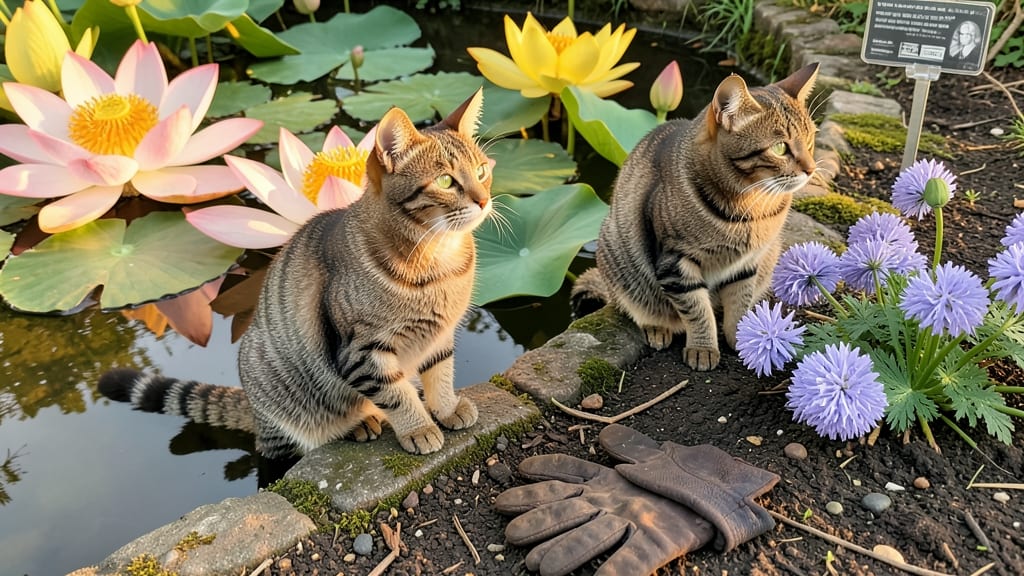
Lotus flowers can indeed be poisonous to cats 🌸, and the risks depend on which part of the plant your feline friend encounters.
If your cat has ever sniffed, nibbled, or played with lotus flowers in your garden, you may be wondering: Are lotus flowers poisonous to cats? The answer isn’t as straightforward as you’d think—some parts are toxic, while others might be safe, but the risks can be serious if ignored.
While the flowers themselves are less toxic, the roots and seeds contain compounds that can cause stomach upset, vomiting, or even more severe reactions in cats. Even a small nibble can lead to discomfort, so it’s best to keep your curious kitty away from these plants.
In this guide, I’ll break down which parts of the lotus are dangerous, what symptoms to watch for, and how to create a cat-friendly garden with safe alternatives. Your pet’s well-being is worth a few extra precautions!
Toxic parts of lotus flowers and their dangerous effects on cats
Lotus flowers (Nelumbo spp.) are stunning aquatic plants that add elegance to ponds and water gardens, but their beauty comes with hidden dangers for curious cats. While not all parts are equally toxic, several components contain harmful compounds that can cause mild discomfort to life-threatening reactions in feline companions.
Understanding which parts pose risks—and how—is essential for pet owners who love gardening.
The most concerning parts are the roots and seeds, which contain toxic alkaloids and glycosides that disrupt your cat's nervous system and digestive tract. Even the leaves and flowers can cause irritation or poisoning if ingested in large quantities.
The severity depends on how much your cat consumes and their size, but all parts should be treated with caution.
Here’s a detailed breakdown of which parts are toxic, their dangerous compounds, and the symptoms to watch for in your cat:
The roots and seeds are the most dangerous parts of lotus flowers, containing high concentrations of alkaloids and glycosides that can cause severe neurological and digestive issues in cats. If ingested, these compounds interfere with your cat’s nervous system, leading to symptoms like vomiting, diarrhea, and even seizures.
In extreme cases, ingestion can result in respiratory distress or coma, making these parts a critical concern for pet safety.
Even the leaves and flowers aren’t entirely safe. While they contain lower levels of toxins, they can still cause irritation or mild poisoning, especially if your cat nibbles on them frequently.
Symptoms like drooling, nausea, or skin irritation are common, and repeated exposure can lead to more serious health issues over time. Always monitor your cat’s behavior around these plants to prevent accidental ingestion.
If your cat shows signs of poisoning—such as excessive drooling, vomiting, or lethargy—after interacting with lotus flowers, act quickly. Contact your veterinarian or the ASPCA Animal Poison Control Center immediately. Early intervention can make a significant difference in your cat’s recovery and prevent long-term damage.
Keep the plant’s packaging or a sample of the ingested part handy for the vet to identify the toxin.
To minimize risks, consider creating a cat-safe garden zone where lotus flowers are placed out of reach. Use raised planters or fenced-off areas to keep your curious feline away from these toxic parts.
Alternatively, opt for non-toxic aquatic plants like water hyacinth or water lettuce, which are safer for cats while still adding beauty to your pond.
Regularly inspect your garden for fallen petals, seeds, or roots that your cat might mistake for toys or treats. Even small amounts can be harmful, so vigilance is key.
By understanding the dangers and taking proactive steps, you can enjoy your lotus flowers while keeping your feline friend safe and healthy.
🌸
Safe alternatives to lotus flowers for cat-friendly gardens
If you love the elegant look of lotus flowers but worry about their toxicity to cats, you’re not alone. The good news is there are plenty of cat-safe alternatives that mimic their beauty and grace without the risks.
These plants can add stunning visual interest to your garden while keeping your feline friend safe from harm.
Many of these alternatives thrive in similar conditions—moist soil, partial to full sun—and even offer extra benefits like air purification or cat-friendly textures. The key is choosing plants that are non-toxic to cats and align with your garden’s aesthetic and maintenance needs.
Lotus Flowers and Cat Safety
Pros
- Stunning visual appeal – Adds elegance to ponds or garden beds
- Low-maintenance – Thrives in shallow water or moist soil
- Long bloom season – Flowers from summer to early fall
Cons
- Toxic to cats – Contains alkaloids that can cause vomiting or diarrhea
- Requires specific conditions – Needs standing water or very moist soil
- Aggressive spread – Can overtake small garden spaces
One of the best cat-friendly alternatives is cat grass (wheatgrass, oat, or barley). It’s not only safe but also enticing for cats to nibble on, satisfying their natural urge to graze.
Plant it in a shallow container near a sunny window, and your cat will happily munch while you enjoy its delicate blades.
For a more lotus-like appearance, consider water lilies (non-toxic varieties like Nymphaea 'Alba). These float gracefully on pond surfaces and won’t harm curious cats.
Pair them with marigolds, which repel pests and add vibrant color without toxicity. Both thrive in sunny, moist conditions, just like lotuses.
If you prefer upright plants, spider plants (Chlorophytum comosum) are a fantastic choice. Their arching leaves and air-purifying qualities make them a pet-safe staple. Place them in bright, indirect light and keep the soil slightly moist. They’re also great for hanging baskets, adding vertical interest to your garden.
For a bold pop of color, calendula (pot marigold) is another excellent option. These cheerful flowers are non-toxic, pest-resistant, and thrive in full sun. They bloom continuously from spring to frost, offering a long-lasting alternative to lotuses with a similar aesthetic.
To create a cat-safe garden, focus on layering textures and colors with these alternatives. Combine cat grass near seating areas, spider plants in hanging baskets, and marigolds or calendula in flower beds. This way, you’ll enjoy a beautiful, functional garden that’s completely safe for your curious kitty.