
Shrubs
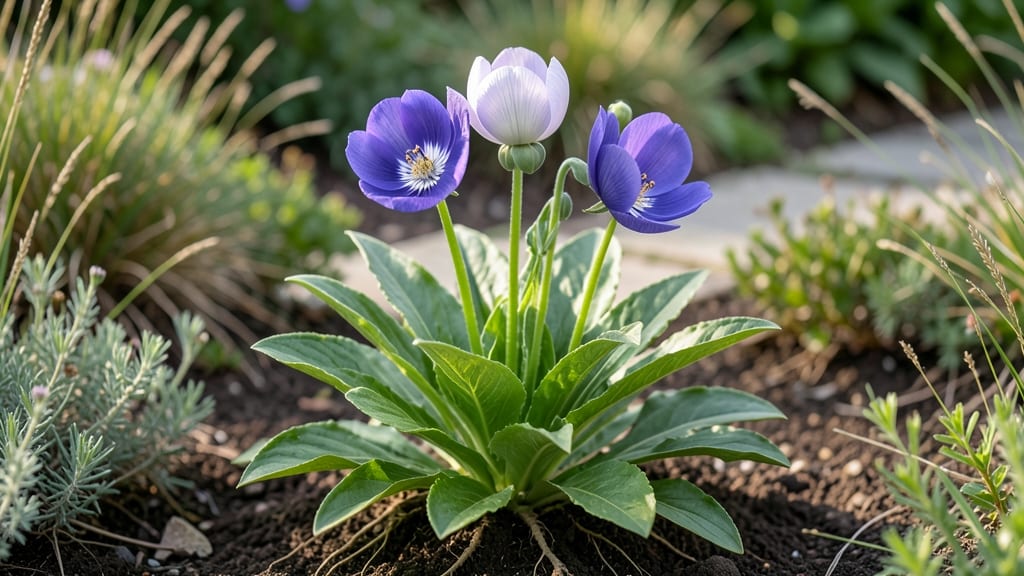
Balloon flowers 🌸 thrive in either sun or shade—but getting the balance right is the key to vibrant blooms and healthy growth.
Picture this: your Platycodon grandiflorus sits in a spot that seems just right, yet the flowers refuse to open, or the leaves wilt by midday.
You’re not alone in this light-guessing game, and the good news is that this adaptable perennial can handle almost any condition—with a few smart tweaks.
Whether you’re working with a shady corner or a sunny border, the secret lies in understanding how much light your variety truly craves. Some types bask in morning sun, while others retreat into dappled shade by noon.
I’ll break down the exact light rules for each scenario, plus how to fix common mistakes that leave your plants struggling.
By the end, you’ll know exactly how to position your balloon flowers for maximum blooms, whether your garden leans toward sun or shade—and trust me, your plants will thank you with showstopping color all season long.
 Best Window Placement
Balloon flower light requirements: sun vs shade breakdown
Balloon flowers (Platycodon grandiflorus) are famously adaptable, but their light needs vary dramatically between varieties. Some thrive in bright shade, while others demand full sun to produce their signature puffy blooms.
Understanding these differences is key to avoiding leggy stems or sparse flowers. Let’s break down how to match your garden’s conditions to the right variety for peak performance.
Most balloon flower varieties fall into three light categories: full sun, partial shade, or deep shade. Full-sun types (like 'Royal Crown') need 6+ hours of direct light daily, while shade-tolerant varieties (such as 'Hidcote Blue') can handle just 2-4 hours.
The secret lies in their leaf color—darker foliage often signals a need for more light, while lighter leaves thrive in shade.
Here’s how to identify your garden’s light conditions: Observe shadows at midday (June solstice) to gauge sun exposure. A 6-foot rule works well—if a vertical object casts a 2-foot shadow, you’re in partial shade.
For full sun, shadows shrink to 1 foot or less. Use this knowledge to select varieties that match your space.
Notice how 'Royal Crown' and 'Blue Boy' dominate the full-sun category with dark green leaves and compact growth. These varieties reward sunlight with larger, more abundant blooms, but they’ll bolt (send up tall, weak stems) if shaded too much.
In contrast, 'Hidcote Blue' and 'Alba' prioritize shade tolerance, making them ideal for woodland gardens or north-facing beds.
For mixed-light gardens, opt for 'White Dawn'—it bridges the gap with 4-6 hours of sun and produces showstopping white blooms. If your space gets morning sun but afternoon shade, this variety will thrive without stretching.
Pro tip: Rotate pots every few weeks to ensure even light exposure, especially for container-grown balloon flowers.
Color is your best clue for diagnosing light issues. Yellowing leaves on a full-sun variety signals underwatering or root stress, while pale, sparse blooms in shade-loving types mean they’re craving more light.
Adjust care accordingly: water deeply in hot sun, or move plants gradually to brighter spots over 2-3 weeks to avoid shock.
Seasonal light shifts matter too. In summer, balloon flowers in full sun may need afternoon shade to prevent wilting. Use lightweight shade cloth (30-50% coverage) to filter harsh rays while maintaining airflow.
Conversely, winter light is gentler—shade-tolerant varieties can handle direct winter sun without stress, so avoid moving them indoors unless temps drop below 20°F.
Pruning plays a role in light adaptation. For sun-loving varieties, cut back leggy stems in early spring to encourage bushier growth. In shade, pinch back new growth to promote branching and denser foliage.
This simple trick can transform a tall, sparse plant into a full, blooming bush—regardless of light conditions.
Ready to experiment? Start with
How to adapt balloon flowers to low-light or full-sun gardens
Balloon flowers (Platycodon grandiflorus) are famously adaptable, but their light exposure directly impacts bloom quantity and plant vigor. In full-sun gardens, they reward you with vibrant, abundant flowers, while in low-light conditions, they’ll survive but may produce fewer blooms.
The key is strategic adjustments to soil, companions, and seasonal care.
I’ve grown balloon flowers in everything from shady woodland edges to sun-drenched borders, and the difference in care is surprisingly simple. With the right soil amendments, pruning techniques, and companion plants, you can coax even the most finicky varieties into thriving.
Let’s break down how to optimize their care based on your garden’s lighting.
- 1 Soil Adjustments: Amend low-light soil with organic compost (3-4 inches) to boost nutrients. In full sun, mix in sand or perlite for better drainage.
- 2 Companion Planting: Pair with tall grasses (like Miscanthus) in shade to filter light gently. In sun, plant near dwarf coneflowers for mutual support.
- 3 Pruning for Light: In shade, prune lightly to encourage leafy growth. In sun, cut back spent blooms aggressively to redirect energy to new flowers.
- 4 Seasonal Light Shifts: Move container-grown plants to sunnier spots in summer. In winter, protect from frost scorch with mulch or shade cloth.
For low-light gardens, focus on nutrient-rich soil and drip irrigation to prevent moisture stress. I’ve seen balloon flowers thrive under 30% sunlight when paired with fertilizer spikes every 6 weeks. The trade-off? Fewer blooms but lush foliage that adds texture to shady borders.
In full-sun conditions, prioritize consistent watering (deep soak twice weekly) and afternoon shade during heatwaves. My purple ‘Mariesii’ variety exploded with blooms when I added a 50% shade cloth in July—proof that even sun-lovers need a break!
Pro tip: Gradual acclimation is key. If moving plants between light conditions, shift them incrementally (e.g., 1 extra hour of sun per week) to avoid sunburn or leaf scorch. Patience here pays off with healthier roots and longer bloom seasons. 🌸