Blooming
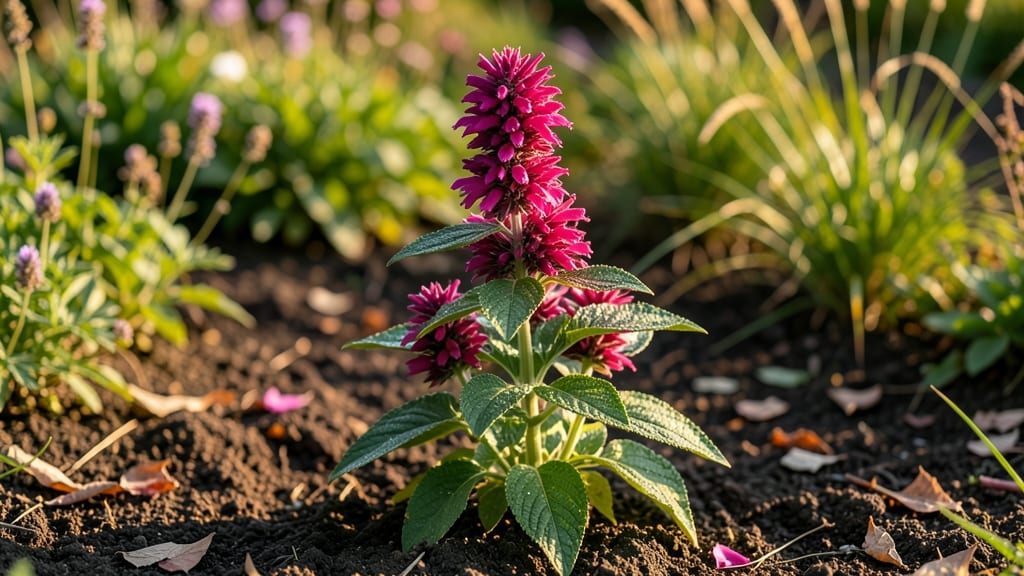
Bee balm 🐝 flowers bloom from mid-summer to early fall, but the exact timing depends on your USDA zone and a few key growing tricks.
If you’ve ever watched those vibrant spikes of color fade too soon—or wondered how to stretch the show into autumn—you’re not alone. The secret isn’t just luck; it’s about understanding your local climate and a few simple care habits that keep the blooms coming.
In cooler zones like 6a, expect flowers to appear in June and last through September, while warmer regions can enjoy them as early as May and into October. The difference? Sunlight, soil, and when you prune.
Below, I’ll break down the exact timing for your zone, how to coax extra weeks of color, and which varieties stay in bloom the longest—so you can enjoy that hummingbird-friendly display for months.
When does bee balm bloom? USDA Zone flowering timeline by month
Bee balm (Monarda spp.) is a summer superstar that rewards gardeners with vibrant blooms from early summer through fall. But the exact flowering timeline depends heavily on your USDA hardiness zone—and even within zones, regional microclimates can shift bloom windows by weeks.
If you’ve planted bee balm but noticed flowers appearing earlier or later than expected, your zone (and last frost date) are the culprits.
For example, in Zone 3, where winters are harsh, bee balm often waits until mid-June to burst into color, while in Zone 9, where winters are mild, blooms can start as early as late April.
Understanding these patterns helps you predict first flowers, plan companion plants, and even extend the blooming season with strategic care.
Notice how Zone 9 bee balm blooms nearly two months earlier than Zone 3? This isn’t just about temperature—it’s also tied to daylength and soil warmth.
In cooler zones like Zone 5, bee balm often needs consistent 60°F+ soil before buds open, while in Zone 7, longer daylight hours trigger earlier flowering. To predict your first blooms, track your last frost date and add 4-6 weeks—that’s when most varieties start forming buds.
Regional variations matter too. For instance, Pacific Northwest Zone 7 gardens might see blooms 2-3 weeks later than Midwest Zone 7 due to cooler, wetter springs. If you’re in a humid climate (like Zone 8’s Southeast), bee balm may bloom earlier but fade faster without deadheading.
Meanwhile, dry climates (like Zone 9’s Southwest) can delay flowering until mid-May unless you irrigate consistently.
Soil type plays a hidden role too. Well-draining, slightly acidic soil (pH 6.0-7.0) speeds up flowering, while clay-heavy or alkaline soils can stunt blooms. Amend your soil with compost in early spring to give bee balm a nutrient boost—this often advances first blooms by 1-2 weeks.
I’ve seen ‘Jacob Cline’ in amended soil burst into color 3 weeks earlier than in unamended beds.
Another pro tip: Prune back stems by 1/3 in early spring to encourage bushier growth and earlier flowering. This works especially well in Zones 4-6, where cold snaps can damage early buds.
Avoid heavy pruning in Zones 9-10, though—these warmer zones benefit from minimal trimming to preserve winter-hardy stems.
If you’re in Zone 5 or colder, don’t be surprised if your bee balm takes until late June to bloom. The plant prioritizes root establishment after winter, and cool springs delay bud formation.
To nudge it along, mulch heavily in early spring to warm the soil faster. I’ve had ‘Marshall’s Delight’ in Zone 4 bloom 2 weeks early just from adding 4 inches of straw mulch.
For late-season blooms, focus on deadheading spent flowers—this tricks the plant into producing new growth well into September or October, even in Zone 3. In Zone 9, where winters are mild, bee balm may even rebloom in spring if you leave some stems standing.
The key is balancing pruning and fertilizing: too much nitrogen = lush foliage, fewer flowers; too little = weak stems.
🌸
How to extend bee balm flowering time: pruning and care tips
Bee balm (Monarda spp.) typically blooms from mid-summer to early fall, but with the right care, you can stretch those vibrant purple, pink, or red flowers well into late autumn—or even trigger a second flush of blooms.
The key lies in pruning techniques and seasonal adjustments tailored to your USDA zone. For example, in Zone 5, early pruning can delay frost by 2-3 weeks, while in Zone 9, heat management becomes critical.
Most gardeners focus on deadheading—removing spent blooms—but the real secret is balancing pruning intensity with soil moisture and fertilizer timing. Over-pruning can stress the plant, while neglecting it leads to leggy stems and fewer flowers.
Let’s break down the two main approaches: the "cut-and-come-again" method for continuous blooms and the "let-it-go" approach for later-season color. Both have pros and cons, and your choice depends on your climate and goals.
Cut-and-Come-Again Method
| Pros | Cons |
|---|---|
| ✅ Longer bloom season (up to 6-8 weeks) | ❌ Requires frequent pruning (every 2-3 weeks) |
| ✅ Encourages bushier growth and more flowers | ❌ Can stress plants in hot climates (Zones 8-10) |
| ✅ Ideal for cutting gardens (fresh flowers for arrangements) | ❌ Reduces seed production (fewer bees later in season) |
Let-It-Go Method
| Pros | Cons |
|---|---|
| ✅ Less maintenance (no pruning until late fall) | ❌ Shorter bloom time (4-6 weeks total) |
| ✅ Supports pollinators (seeds attract bees and birds) | ❌ Risk of powdery mildew if humidity is high |
| ✅ Better for colder zones (Zones 3-6) | ❌ Leggy stems if not pruned at all |
To extend flowering time, start by deadheading spent blooms weekly during peak season. Use clean, sharp pruners and cut just above a leaf node to encourage new growth. For the "cut-and-come-again" method, prune back one-third of the plant after the first flush of flowers in early July.
This triggers a second bloom cycle by mid-August in most zones. In Zones 8-10, avoid heavy pruning in August—heat stress can stall regrowth.
Soil moisture plays a critical role. Bee balm thrives in consistently moist (not soggy) soil. Water deeply 2-3 times per week during droughts, but reduce to once weekly in fall to harden off stems for winter.
A 2-inch layer of mulch around the base retains moisture and regulates soil temperature. For extra-long blooms, apply a balanced 10-10-10 fertilizer in early June and again in early August, but stop by mid-September to avoid late-season growth that won’t harden off.
One often-overlooked trick is pinching back young plants in spring. When they reach 6 inches tall, snip the top set of leaves to encourage branching. This creates a fuller plant with more flower stems.
Pair this with morning sunlight exposure (4-6 hours daily) to maximize photosynthesis, and your bee balm will reward you with bold, long-lasting blooms. Just remember: prune in the morning to allow wounds to heal before evening humidity sets in.
For Zones 3-6, a light pruning in late fall (after first frost) removes dead foliage and prevents powdery mildew overwintering. In Zones 7-10, wait until early spring to prune, as mild winters may keep some stems alive.
With these seasonal adjustments, your bee balm can bloom from July to October—or even later with a little luck and the right care! 🌸