
Blooming
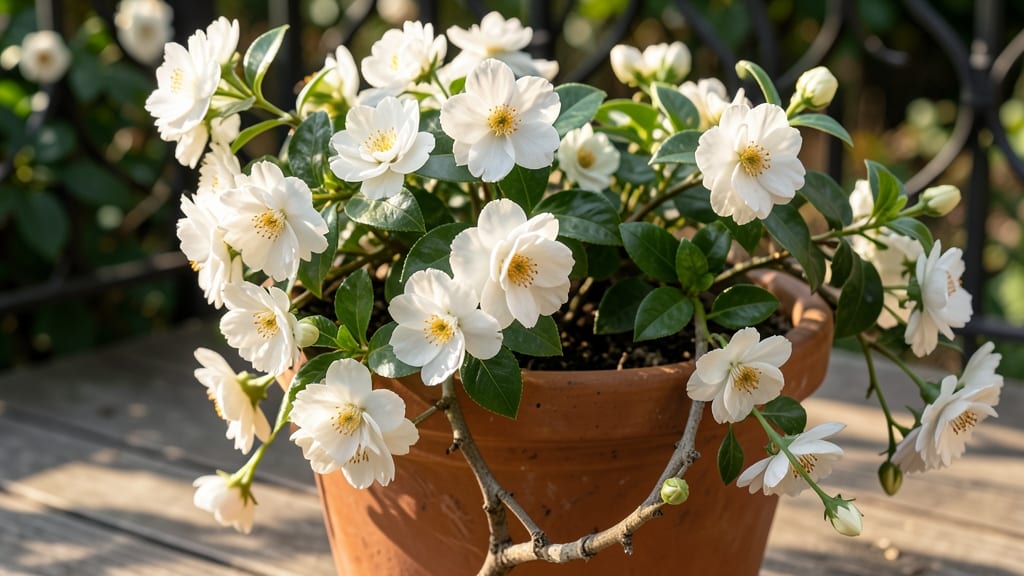
Jasmine flowers bloom in late spring when the air hums with sweetness 🌸 — but only if you plant them at the right time. There’s nothing like the intoxicating scent of jasmine in full bloom, yet many gardeners miss the window entirely by planting too early or too late.
The secret to fragrant springtime perfection lies in timing: plant jasmine in April or May, after the last frost, when soil temperatures are warm enough to support root growth.
In USDA Zone 6a, this typically means waiting until mid-April, but regional frost dates can shift that window by weeks.
Once planted, jasmine thrives with partial shade and consistent moisture, but even the hardiest varieties need a little help to produce abundant blooms. Pruning in early spring and feeding with a balanced fertilizer can extend the blooming season from June through September.
Discover how to align your planting schedule with your climate, choose the right jasmine variety for your garden, and keep those fragrant flowers coming back year after year.
Best planting times for jasmine flowers to bloom in spring
Timing your jasmine plant correctly ensures those fragrant spring blooms you crave. Most jasmine varieties need 6-8 weeks to establish roots before winter arrives, so planting too late risks stunted growth.
The key is aligning your planting with your last frost date and USDA hardiness zone—each zone has its own perfect window for maximum fragrance.
For spring-blooming jasmine, focus on planting in early spring (just after frost) or early fall (6-8 weeks before first frost). This gives roots time to anchor before dormancy. In warmer zones (USDA 9-11), you can even plant in late winter—just avoid extreme heat stress.
Let’s break down the best times by zone to guarantee those magical spring jasmine blooms.
🌱
| USDA Zone | Best Planting Window | Last Frost Date | Key Considerations |
|---|---|---|---|
| 7-8 | April 15–May 15 | Mid-April | Plant after last frost; use mulch for winter protection. |
| 9 | March 1–April 15 | Late February | Avoid planting in extreme heat; opt for fall planting too. |
| 10-11 | January–February or September–October | None (warm winters) | Plant in cool months to avoid transplant shock. |
🌸 Pro Tip: Container jasmine can be planted year-round in warm zones.
In USDA zones 7-8, aim for April planting—just as soil warms to 60°F. This gives roots 6-8 weeks to establish before summer’s peak. I’ve found that planting jasmine vines in early spring (right after frost) yields the most robust blooms by June.
Use a soil thermometer to confirm soil is above 55°F before planting.
For zones 9-11, you have more flexibility. Plant in late winter (January–February) to avoid summer’s intense heat, or opt for fall planting (September–October) to take advantage of cooler temperatures and consistent moisture.
In my zone 10 garden, I’ve had success with September plantings—the vines establish quickly and bloom earlier the next spring.
Regardless of zone, avoid planting during extreme heat (>90°F). High temperatures cause transplant shock and root stress, delaying blooms. If you must plant in summer, do it in early morning or late afternoon, keep soil consistently moist, and provide light shade for the first 2-3 weeks.
A shade cloth (30-50%) works wonders.
Another critical factor is jasmine variety. Winter jasmine (Jasminum nudiflorum) blooms earlier (February–March) and thrives in cooler climates, while common jasmine (Jasminum officinale) prefers warmer springs (April–May).
If you’re in zone 7, winter jasmine is your best bet for early fragrance. In zone 10, common jasmine will reward you with prolonged blooms through summer.
Don’t forget to harden off container-grown jasmine before planting. Acclimate plants to outdoor conditions over 5-7 days by gradually increasing sunlight exposure. This reduces stress and ensures stronger root growth.
I always move my containers to a shaded patio for a few hours daily before the final transplant. It makes all the difference in bloom vigor.
Finally, prune lightly at planting to encourage airflow and bushiness. Trim back overly long vines by 1/3 to stimulate new growth. This isn’t just about aesthetics—better airflow reduces fungal risks like powdery mildew, which can stunt blooms.
Pair this with a balanced fertilizer (5-10-10) at planting, and you’re setting your jasmine up for springtime success.
With the right timing, your garden will soon be filled with the intoxicating scent of jasmine—just in time for those warm spring evenings. The secret? Plant at the perfect window, protect from frost and heat stress, and give your vines the care they crave.
Your nose (and neighbors!) will thank you. 🌿
How to encourage early and prolonged jasmine blooms
Want your jasmine flowers to burst into bloom earlier and stay fragrant longer? The key lies in strategic care that mimics their natural growing conditions. Jasmine vines thrive when given the right balance of sunlight, soil, and pruning—all while avoiding common mistakes that stunt their growth.
I’ve learned through years of experimenting that even small adjustments can transform a sparse vine into a fragrance-filled paradise that blooms for months.
Most gardeners focus only on planting timing, but the real magic happens in the ongoing maintenance after those first leaves appear. Your jasmine’s ability to produce abundant, fragrant blooms depends on how you train its growth habit, manage its water needs, and prepare its soil.
Let’s break down the proven techniques that will have your jasmine vines covered in scented flowers from early spring through fall.
Let’s start with pruning, the most misunderstood step for jasmine care. Many gardeners avoid pruning because they fear harming their plant, but strategic cuts actually encourage more blooms. I prune my jasmine vines in late winter or early spring—just before new growth begins.
Use clean, sharp shears to remove any dead or crossing branches, then cut back the remaining stems by about one-third. This might sound drastic, but it triggers the plant to produce new, vigorous shoots that will flower earlier and more abundantly.
Next, pay close attention to your jasmine’s sunlight exposure. While these vines love sunlight, they’re not fans of intense afternoon heat, which can scorch their delicate leaves. The ideal spot offers 4-6 hours of morning sun followed by dappled shade in the afternoon.
If your jasmine isn’t blooming well, it might be getting too much direct sun—try moving it to a slightly shadier location. Conversely, if it’s struggling to flower at all, it might need a few more hours of morning light to trigger blooming.
Watering is another critical factor that often gets overlooked. Jasmine plants need consistent moisture during their blooming season, but they hate soggy roots.
My rule of thumb is to water deeply 2-3 times per week during spring and summer, ensuring the top 2 inches of soil dry out slightly between waterings. In fall and winter, reduce watering to once a week or even less, as the plant enters dormancy.
Always water at the base of the plant rather than overhead to prevent fungal diseases that can ruin your blooms.
Finally, don’t underestimate the power of soil preparation. Jasmine thrives in well-draining, slightly acidic soil with a pH between 6.0 and 7.0. Before planting, amend your soil with compost or aged manure to improve fertility and drainage.
I also add a handful of bone meal at planting time to give my jasmine a phosphorus boost, which encourages stronger root and flower development. Mulching with organic matter like shredded leaves or straw helps retain moisture and keeps roots cool during hot summer months.
With these techniques, you’ll transform your jasmine from a sparse, underperforming vine into a fragrant, blooming powerhouse that fills your garden with sweet scent from early spring through fall.
The secret isn’t just one trick—it’s the combination of proper pruning, sunlight management, watering discipline, and soil care that makes all the difference. Give it a try, and you’ll be rewarded with months of intoxicating jasmine blooms that make your garden the envy of the neighborhood. 🌸