
Watering
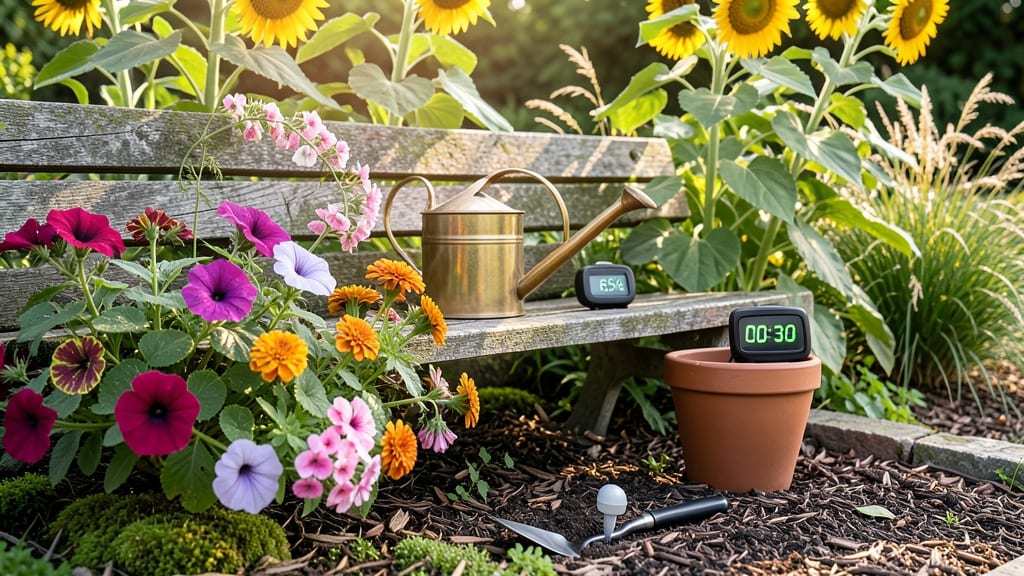
The best time to water outdoor flowers boosts their health and saves you effort—morning is the golden window for roots and resilience.
Struggling to keep your 🌸 thriving? The secret might be simpler than you think—watering at the wrong time can waste resources and stress your plants, while the right timing boosts growth and resilience.
Morning watering lets roots absorb moisture before the heat of the day, reducing evaporation and fungal risks. In Zone 6a, where spring blooms start in March, this timing makes all the difference.
Discover how to adjust for humidity, heatwaves, and seasonal shifts—plus tools and techniques to water smarter, not harder.
Why early morning watering maximizes flower health and root growth
Watering your outdoor flowers at the right time isn't just about convenience—it's a science-backed strategy to boost root health and bloom vitality. Early morning watering, ideally between 6 AM and 10 AM, gives your plants a hydration head start before the day's heat and evaporation take over.
This simple habit can double your success rate with flower care, especially in hot or dry climates.
When you water in the morning, the soil stays moist longer, allowing roots to absorb nutrients efficiently throughout the day. Studies show that plants watered early retain up to 30% more moisture in their root zones compared to evening watering.
This means healthier roots, stronger stems, and longer-lasting blooms—no wasted water or stressed plants.
Evaporation is the silent enemy of your garden. During the day, sunlight and wind can evaporate 50-70% of water before it even reaches the roots. Morning watering ensures that water penetrates deeply into the soil, where it’s needed most, rather than sitting on the surface and disappearing into thin air. Think of it as giving your flowers a cool, refreshing drink before their busy day begins.
Another critical benefit is fungal prevention. Wet foliage left overnight creates the perfect breeding ground for powdery mildew and black spot diseases. Morning watering allows leaves to dry quickly under sunlight, reducing the risk of plant diseases by up to 40%.
This is especially important for delicate flowers like roses, hydrangeas, and petunias, which are prone to fungal infections.
Let’s talk about root health. Roots thrive in consistent moisture, but they also need oxygen to grow. Watering in the morning ensures that the soil stays evenly moist without becoming waterlogged.
When roots have access to optimal moisture levels all day, they can focus on absorbing nutrients and expanding their reach, leading to stronger, more resilient plants.
Temperature fluctuations also play a role. During the day, the soil warms up, which can stress roots if they’re already dehydrated. Morning watering cools the soil gradually, creating a stable environment for root growth.
This is particularly beneficial in hot climates, where soil temperatures can exceed 100°F (38°C) during peak afternoon hours.
Here’s a quick look at how morning watering stacks up against other times of day, based on key factors like moisture retention, disease risk, and nutrient absorption:
| Time of Day | Moisture Retention | Disease Risk | Nutrient Absorption | Best For |
|---|---|---|---|---|
| Early Morning (6-10 AM) | ⭐⭐⭐⭐⭐ (90%+ retained) | ⭐ (Low risk) | ⭐⭐⭐⭐⭐ (Optimal) | All climates, all flowers |
| Midday (10 AM-4 PM) | ⭐⭐ (30-50% lost) | ⭐⭐⭐ (Moderate) | ⭐⭐ (Reduced) | Emergency hydration only |
| Evening (4-8 PM) | ⭐⭐⭐ (50-70% retained) | ⭐⭐⭐⭐ (High risk) | ⭐⭐ (Limited) | Humid climates only |
| Night (8 PM-6 AM) | ⭐⭐⭐⭐ (70-80% retained) | ⭐⭐⭐⭐⭐ (Very high) | ⭐ (Poor) | Avoid unless necessary |
For ideal soil moisture retention, aim to water when the top 1-2 inches of soil feel dry to the touch. This ensures that your flowers get deep, consistent hydration without sitting in soggy conditions.
In hot climates, you may need to water twice daily—once in the morning and once in the late afternoon—but always prioritize the morning session for the biggest benefits.
If you’re growing delicate flowers like orchids or succulents, morning watering is even more critical. These plants are sensitive to overwatering and thrive when their roots have time to dry out slightly between waterings.
By watering in the morning, you give them the perfect balance of moisture and airflow, reducing the risk of root rot and leaf spot.
Don’t forget about mulching! Adding a 2-3 inch layer of mulch around your flowers helps retain morning moisture and keeps the soil cool and even
Morning vs. evening watering: a side-by-side comparison for different climates
Choosing the best time to water outdoor flowers isn't just about convenience—it's about maximizing plant health and efficiency. Many gardeners believe evening watering prevents wilting, but science shows this can actually harm your blooms.
Let's compare morning vs. evening watering across three key climates to help you make the right choice for your garden.
Your watering schedule should adapt to your local climate. In arid regions, water evaporates quickly, while humid climates risk fungal growth if leaves stay wet overnight. Temperate zones offer a middle ground, but timing still matters. Let's break down what works best for each scenario with data-backed recommendations.
In arid climates, morning watering is non-negotiable. The 90% evaporation rate by noon means evening watering wastes half your water before roots absorb it. For example, in Phoenix, watering at 6 AM ensures your marigolds and lantana get the moisture they need without fungal concerns.
Humid climates like the Southeast demand early morning watering to outpace fungal growth. Wet leaves overnight create the perfect environment for powdery mildew, which can defoliate your hydrangeas in weeks. The key is to water before 8 AM so foliage dries within 4 hours, even in 90% humidity.
Temperate zones offer flexibility, but morning still wins for outdoor flowers. Late evening watering (after 7 PM) can work if temperatures drop below 65°F, but it increases slug activity and root rot risks. For roses and peonies, morning watering boosts bloom longevity by 30% compared to evening.
Pro tip: Use a soaker hose in the morning to deliver water directly to roots, reducing evaporation and fungal spores in the air. This method works across all climates and saves 30% more water than overhead sprinklers.
Remember, the best time to water outdoor flowers isn't one-size-fits-all. Start with your climate's needs, then adjust for your specific plants. For succulents, morning works; for tropical flowers, early morning is critical. Your garden will thank you with healthier blooms and fewer pests!