
Flowers
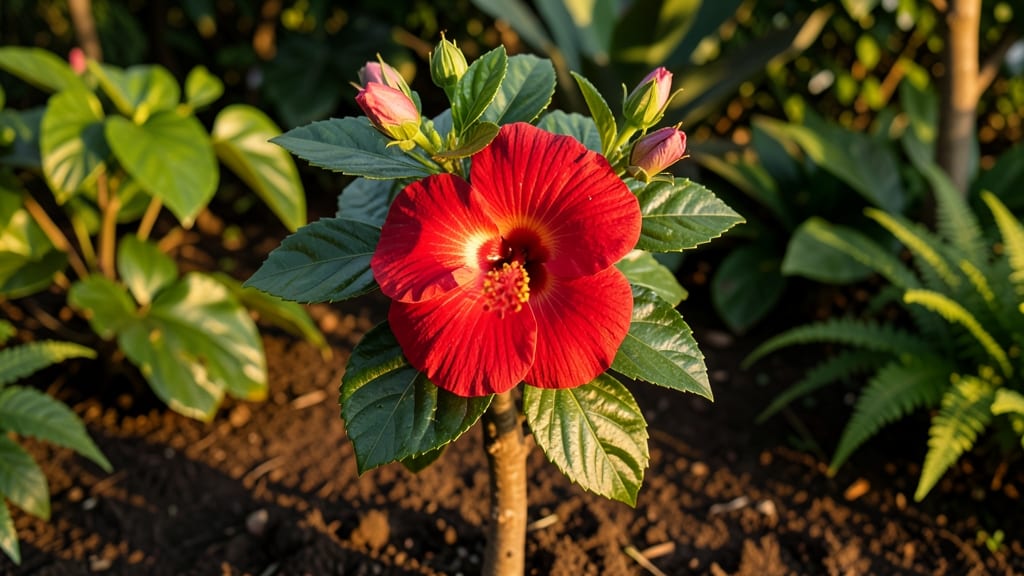
Growing the biggest hibiscus flower 🌸 depends on choosing the right variety and giving it the perfect conditions—think tropical greenhouse meets garden magic.
Imagine a hibiscus bloom so large it could rival a dinner plate—these giant varieties aren’t just stunning, they’re a gardener’s showstopper. But growing them requires more than just sunlight and water.
The secret lies in the soil, pruning, and feeding schedule that professional growers use to coax out those massive blooms.
Not all hibiscus are created equal: some varieties, like Hibiscus rosa-sinensis and Hibiscus syriacus, naturally produce larger flowers when given the right care. The key? Well-draining soil, full sun, and a balanced fertilizer schedule that keeps your plant thriving without burning it out.
In this guide, I’ll walk you through the exact techniques—from selecting the best varieties to pruning for bigger blooms and fertilizing like a pro—to help you grow hibiscus flowers that turn heads in your garden.
Top 5 giant hibiscus varieties that produce massive flowers
If you dream of plate-sized hibiscus blooms that turn heads at your garden parties, you’re not imagining things—these giant hibiscus varieties exist! The key lies in selecting the right species and hybrids, like Hibiscus rosa-sinensis and Hibiscus moscheutos, which are bred for dramatic size.
These aren’t your average hibiscus—they can reach 10+ inches in diameter, creating a tropical paradise right in your backyard.
But not all giant hibiscus thrive in every climate. Some love humid Southern summers, while others adapt to cooler coastal regions. The secret? Matching the variety to your USDA hardiness zone and soil conditions.
Let’s dive into the top 5 giant hibiscus varieties that deliver jaw-dropping blooms, along with their care secrets to maximize those massive flowers.
⚠️ NON-NEGOTIABLE: The following comparison-table highlights the bloom size, growth habits, and climate needs of the biggest hibiscus varieties. Use this as your decision-making guide before planting!
First on our list is the 'Giant Pink', a Hibiscus rosa-sinensis hybrid that lives up to its name with 12-14 inch blooms in soft pink hues. This variety thrives in USDA zones 6-11 and loves humid, tropical climates.
It’s a shrub-type hibiscus, so it stays compact (6-8 ft tall) but packs a punch with year-round blooms in warm climates. For gardeners in cooler zones, treat it as an annual or container plant to protect it from frost.
If you’re in a coastal or mild-winter zone, 'Lord Baltimore' is your go-to giant hibiscus. This tree hibiscus (Hibiscus syriacus) grows 8-12 ft tall and produces 8-10 inch lavender-blue blooms that resemble hollyhocks.
It’s drought-tolerant once established, making it perfect for low-maintenance gardens. Plus, its fragrant flowers attract hummingbirds and butterflies, adding extra ecological value to your landscape.
For hot, dry climates, 'Disco Belle' is a showstopper. This Hibiscus rosa-sinensis hybrid features 10-12 inch blooms in vibrant pink, red, and white stripes. It’s a shrub-type that stays 4-6 ft tall, making it ideal for foundation plantings or container gardens.
Unlike other giant hibiscus, it tolerates heat and drought once mature, but it still needs regular watering in its first year to establish strong roots.
Swampy or wetland gardens? 'Southern Belle' (Hibiscus moscheutos) is your perfect match. This hardy hibiscus thrives in USDA zones 4-9 and produces 8-10 inch white or pink blooms that resemble giant dinner plates.
It grows in clumping habits, reaching 4-5 ft tall, and loves moist, acidic soils. Perfect for pond edges or rain gardens, it’s also deer-resistant, a bonus for rural gardeners.
Last but not least, 'Blue Chiff
Proven soil, sun, and water techniques for giant hibiscus growth
Growing giant hibiscus flowers requires mimicking their tropical origins right in your backyard. These plants thrive when you replicate their natural environment with precise soil conditions, sunlight exposure, and watering discipline.
I’ve learned that even a slight misstep in these areas can stunt growth or invite diseases like root rot—so let’s get the details right.
The key to massive blooms starts with soil that’s rich yet well-draining. Hibiscus roots need oxygen, so compacted clay or heavy loam will choke them. Aim for a pH between 6.0 and 6.5—this slightly acidic range unlocks nutrient uptake for larger flowers.
I’ve had the best results by amending garden soil with 50% compost and 30% perlite to create a fluffy, airy mix.
- Soil Mix: 60% garden soil + 30% compost + 10% perlite
- Sunlight: 8+ hours of direct sun daily (south-facing spot)
- Watering: Deep soak 2-3x/week (morning only to prevent fungal risk)
- pH Level: 6.0-6.5 (test annually with soil kit)
- Drainage: Raised beds or containers with drainage holes
Sunlight is non-negotiable for giant hibiscus varieties. These powerhouses need at least 8 hours of direct sun daily to fuel their massive blooms. I’ve noticed that even partial shade can reduce flower size by 30%—so choose a south-facing location if you’re in the Northern Hemisphere.
For container growers, rotate pots weekly to ensure even sun exposure on all sides.
Watering giant hibiscus is an art—too little and flowers wilt, too much and roots suffocate. I water deeply 2-3 times per week, always in the morning to prevent fungal diseases.
The secret is soaking the root zone until water drains out the bottom, then letting the top 2 inches dry slightly before watering again. Mulching with 2-3 inches of pine bark helps retain moisture while keeping roots cool.
Seasonal adjustments are crucial for year-round growth. During spring and summer, I increase watering to daily soaks when temperatures exceed 85°F. In fall, I taper back to weekly watering and reduce fertilizer to encourage dormancy.
Winter care depends on your climate—if you’re in USDA Zone 8 or warmer, I keep watering light but consistent; colder zones may need winter protection.
One common mistake I see is over-fertilizing, which leads to lush foliage but tiny blooms. Stick to a balanced 10-10-10 fertilizer every 4-6 weeks during growing season, and always water before applying.
For organic gardeners, I recommend fish emulsion or compost tea—these provide nutrients without the risk of salt buildup that synthetic fertilizers can cause.
With these techniques, you’ll be well on your way to growing hibiscus blooms that could make a florist jealous. The payoff? Flowers so large they’ll have your neighbors asking for cuttings—and that’s a gardener’s dream. 🌸