
Flowers
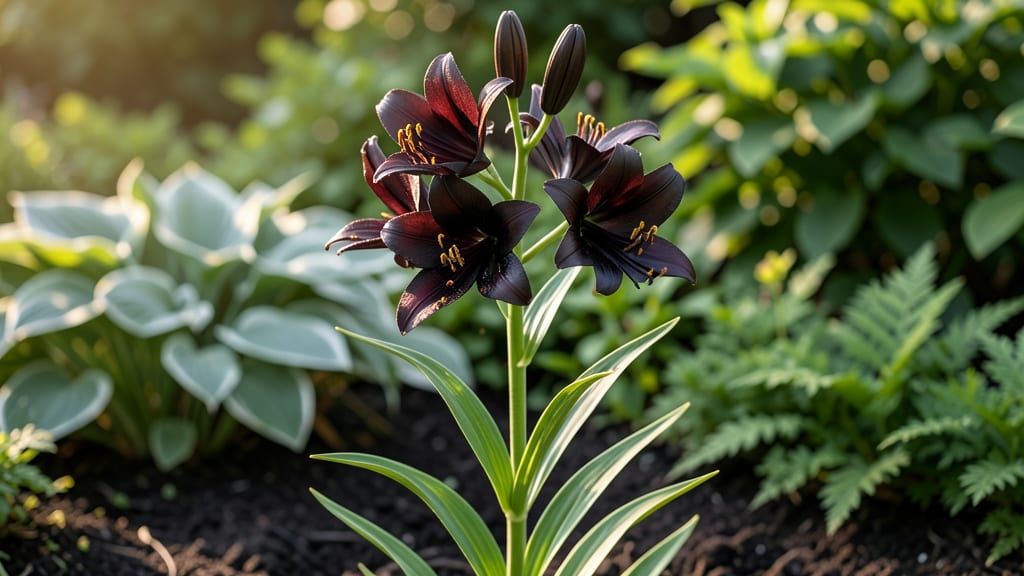
Black lilies flower 🌹 with a dramatic, velvety allure that turns heads in any garden or container arrangement.
But here’s the catch: these showstoppers demand precise care to thrive—especially in pots, where their roots can’t spread as freely. Too much water, and they’ll rot; too little sun, and their blooms will fade fast.
I’ve seen them go from stunning to sad in weeks when grown without the right balance.
If you’re ready to cultivate those deep, mysterious blooms year after year, the key lies in soil prep, sunlight placement, and a smart watering schedule. Below, I’ll walk you through the exact steps to keep your black lilies flourishing in containers, from planting to peak bloom.
You’ll learn how to pick the perfect pot, when to fertilize for maximum impact, and which companion plants keep pests at bay. By the end, you’ll have a foolproof system for growing black lilies that steal the show—no guesswork required.
How to grow black lilies in containers: essential tips for thriving blooms
Black lilies (Lilium regale or dark-hued varieties) bring a dramatic flair to any garden, but their success in containers depends on precise care. Unlike traditional lilies, these dark velvet blooms demand well-draining soil and bright sunlight to prevent bulb rot.
I’ve learned that even the most experienced gardeners overlook these critical details when growing black lilies in pots.
Containers offer flexibility for urban gardeners, but they also require larger-than-expected pots and regular moisture checks. Without proper drainage, black lilies develop soggy roots that lead to fungal diseases like botrytis blight.
My first attempt with a small pot ended in disaster—until I upgraded to a 12-inch deep container with drainage holes.
Step-by-Step Guide to Growing Black Lilies in Containers
- 1 Choose the Right Container: Select a pot with 12+ inches depth and drainage holes. Terracotta pots help prevent root rot by wicking excess moisture. Avoid plastic containers without drainage—black lilies hate soggy feet.
- 2 Prepare Well-Draining Soil: Mix 50% potting soil with 30% perlite and 20% compost. Black lilies need sandy loam to prevent bulb rot. Add a handful of orchid bark for extra aeration—this trick saved my bulbs last summer!
- 3 Plant Bulbs Correctly: Bury bulbs 6-8 inches deep with 6 inches between each. Point the sharp end up—this ensures proper root growth. Gently pat soil down to eliminate air pockets, which can cause rot.
- 4 Place in Full Sun: Black lilies need 6+ hours of direct sunlight daily. A south-facing window or balcony works, but supplement with grow lights in winter. My indoor plants struggled until I added a LED grow bulb—now they bloom year-round!
- 5 Water Deeply but Sparingly: Water when the top inch of soil feels dry. Use a watering can with a narrow spout to avoid disturbing bulbs. Overwatering is the #1 killer of container-grown black lilies—always check drainage holes after watering.
- 6 Fertilize Strategically: Use a balanced 10-10-10 fertilizer every 4-6 weeks during spring/summer. Stop fertilizing after July to encourage bulb dormancy. I swear by fish emulsion for a mid-season boost—my blooms are always bigger!
- 7 Deadhead and Prune: Remove spent blooms to redirect energy to bulb growth. Cut back yellow leaves in fall but leave healthy foliage until it dies back naturally—this stores nutrients for next year’s flowers.
- 8 Overwinter Properly: Move containers to a cool, dark place (40-50°F) in winter. Reduce watering to monthly and avoid fertilizing. My overwintered bulbs bloom earlier and more vigorously the next season!
Best companion plants for black lilies in containers: pairings for color and health
Black lilies (Lilium regale) make a stunning focal point in containers, but pairing them with the right companions can elevate both their health and visual impact. The key is selecting plants that share similar light and water needs while offering contrasting textures or colors.
For example, silver foliage plants like lamb’s ear (Stachys byzantina) create a striking contrast against black lilies’ deep petals, while fragrant herbs like lavender add sensory appeal without competing for resources.
Container size matters—black lilies need at least a 12-inch-deep pot with drainage, and adding companions requires careful spacing. A 14-16 inch container can comfortably house black lilies with 2-3 smaller companions, like heuchera or fuchsia.
Larger pots (18+ inches) allow for bold pairings like hostas or coral bells (Heuchera), which thrive in partial shade and complement the lilies’ dramatic height.
| Companion Plant | Benefits | Container Size | Light Needs |
|---|---|---|---|
| Lavender (Lavandula) | Fragrance, pest deterrent | 14-16" | Full sun |
| Heuchera (Coral Bells) | Color contrast, shade-tolerant | 12-14" | Partial shade |
| Fuchsia (Fuchsia spp.) | Trailing habit, pollinator-friendly | 16-18" | Partial shade |
| Hostas (Hosta spp.) | Shade lover, lush foliage | 18+" | Partial shade |
| Lamb’s Ear (Stachys byzantina) | Silver foliage contrast | 12-14" | Full sun |
For pollinator-friendly containers, pair black lilies with salvia or catmint (Nepeta). These perennials attract bees and butterflies while thriving in the same well-draining soil and sunlight conditions.
Place the container where you can enjoy the buzzing activity—black lilies’ dark blooms create a striking backdrop for winged visitors.
If your container gets morning sun and afternoon shade, consider impatiens or begonias for vibrant bursts of color. These shade-loving annuals bloom prolifically and pair beautifully with black lilies’ dramatic height.
Just ensure the container has adequate drainage—black lilies hate soggy roots, and their companions should match this need.
Avoid pairing black lilies with aggressive spreaders like mint or competitive feeders such as sunflowers. Instead, opt for low-maintenance perennials like sedum or sweet woodruff (Galium odoratum) for a harmonious, long-lasting display.
Mulch with orchid bark or pine needles to retain moisture and suppress weeds while keeping the container looking polished.
Pro tip: Group companions by height—tallest in back (like black lilies), medium in middle, and trailing varieties (like fuchsia) at the edges. This creates a natural tiered effect that draws the eye upward, making your container arrangement even more striking.
With the right pairings, your black lilies will thrive while stealing the show! 🌹🌿