
Flowers
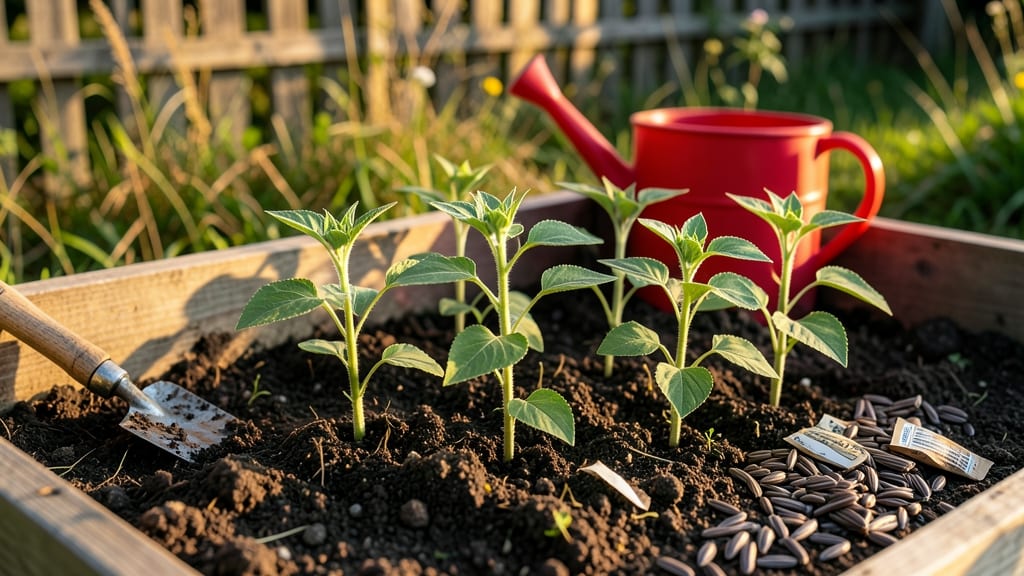
You can plant sunflowers in July — even in Zone 6a — if you choose the right varieties and give them the care they need to thrive in late summer.
Picture this: bold 🌻 blooms standing tall in your garden well into September, all because you planted them just as summer peaked. It’s not just possible; it’s a game-changer for extending your growing season and adding height and color to your space.
But here’s the catch: July planting means racing against time. Heat, shorter days, and the looming threat of frost can turn your sunflowers into leggy shadows if you don’t adjust your approach.
The key is selecting fast-maturing varieties, prepping the soil like a pro, and keeping them hydrated without drowning their roots.
In this guide, I’ll walk you through the exact steps to plant sunflowers in July for strong stems and vibrant blooms — plus, how to troubleshoot common pitfalls so you end up with a sunflower showstopper, not a sad, stunted plant.

Why planting sunflowers in July can work (and when it won’t)
July might seem like a risky time to plant sunflowers, but with the right varieties and climate conditions, you can still enjoy vibrant blooms. Sunflowers are incredibly heat-tolerant, making them perfect for late-season planting in many regions.
The key is understanding your local frost dates and choosing fast-maturing varieties that can thrive before winter arrives.
Sunflowers planted in July often develop stronger stems because they grow quickly in warm weather. However, success depends on your USDA hardiness zone and how early your first frost typically occurs.
In zones 6-9, July planting can work beautifully, while colder zones may need to wait until early June or use container gardening for flexibility.
If you're in a hot, dry climate, July planting is ideal because sunflowers naturally thrive in these conditions. But if you live in an area with early fall frosts, you’ll need to choose fast-maturing varieties or extend the season with protective measures like row covers.
One of the biggest advantages of July planting is that sunflowers can handle intense summer heat better than many other plants. Their deep roots help them access water, reducing the need for frequent irrigation.
However, container planting is a game-changer if your ground stays too hot or dry, as it gives you control over soil moisture and temperature.
If you're in a region with early fall frosts, focus on dwarf varieties like 'Teddy Bear' or 'Moulin Rouge,' which mature in 50-60 days. These can often bloom before the first frost hits, giving you vibrant flowers even in cooler climates.
For taller varieties, aim for fast-maturing types like 'Autumn Beauty' to ensure they reach maturity before winter.
Another critical factor is soil preparation. Before planting in July, enrich your soil with compost or aged manure to provide nutrients for quick growth. Sunflowers are heavy feeders, so well-prepared soil is essential for strong stems and abundant blooms.
If your soil is poor, consider adding a balanced fertilizer at planting time.
For gardeners in warmer climates (zones 9-11), July planting is nearly foolproof because the growing season is long. You can even plant sunflowers as late as August in these areas and still enjoy flowers. The key is to monitor your local frost dates and adjust your planting timeline accordingly.
If you're unsure whether July planting will work in your area, check your last frost date and count backward from it. Sunflowers need about 80-100 days to mature, so if you have at least 90 days of warm weather left, you’re in the clear.
For example, in Zone 7, where the first frost typically arrives in mid-October, July planting is perfect.
Finally, consider container gardening if your ground conditions aren’t ideal. Containers allow you to move sunflowers to cooler spots if needed and give you better control over soil moisture. Just ensure your containers are at least 12 inches deep and 18 inches wide to accommodate the roots of larger varieties.
Step-by-step guide to planting sunflowers in July for maximum growth
July planting might feel late, but sunflowers can still thrive with the right approach. These hardy annuals love warm soil and long daylight hours, making them perfect for summer gardens.
The key is preparing your soil properly and giving them consistent care to prevent weak stems or early bolting.
Start by choosing a sunny spot with at least 6-8 hours of sunlight daily. Sunflowers are heavy feeders, so enrich your soil with compost or aged manure before planting. This helps them establish strong roots quickly, which is critical for late-season growth.
⚠️ WARNING: JULY PLANTING RISKS ⚠️
- Weak stems from rapid growth without proper support
- Bolting (premature flowering) if days are too short
- Pest pressure from increased summer insects
Dig holes twice as wide as the root ball and 1 inch deeper than the container. Space seeds 6-12 inches apart for dwarf varieties or 18-24 inches apart for standard types. Plant seeds 1 inch deep—they need light to germinate, so don’t bury them too deeply.
Water immediately after planting to settle the soil and keep it consistently moist for the first 2 weeks. Once established, sunflowers are drought-tolerant, but July heat can stress young plants.
Aim for 1 inch of water per week, delivered at the base of the plant to avoid wetting leaves.
To prevent bolting, choose fast-maturing varieties (like 'Autumn Beauty' or 'ProCut') that can complete their life cycle before frost. Mulch around the base with straw or grass clippings to retain moisture and regulate soil temperature. Avoid over-fertilizing with nitrogen—this promotes leafy growth over strong stems and blooms.
Harvest seeds when the back of the flower head turns brown and petals droop. Cut the head and hang it upside down in a dry, dark place for 2 weeks to fully dry. With these steps, you’ll enjoy vibrant blooms and healthy stems—even when planting in July! 🌻