
Flowers
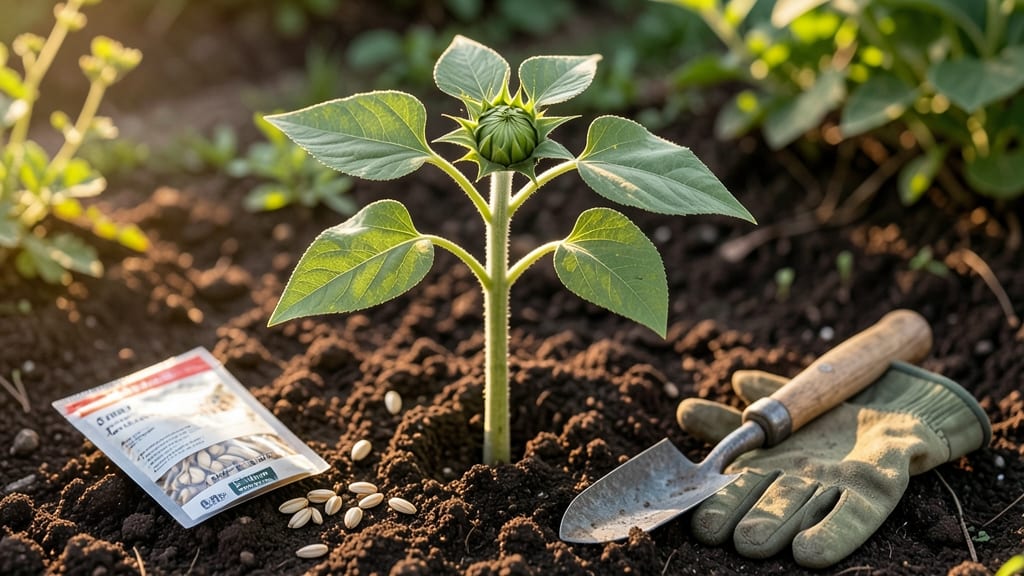
You can plant sunflowers in Florida year-round, but the best months are late winter to early spring when temperatures are mild and days grow longer.
Picture this: towering 🌻 sunflowers swaying in your garden by summer, their golden faces tracking the sun. But timing matters—plant too early, and the heat will stress your seedlings; too late, and you’ll miss the peak bloom season.
Florida’s frost-free climate means no waiting for spring thaw, but regional differences still play a role. North Florida’s cooler winters (like Zone 9a) favor early planting, while South Florida’s heat can push you toward late winter starts.
Below, I’ll break down the ideal planting windows by region, soil prep secrets, and how to keep your sunflowers thriving through Florida’s sweltering summers.
Best months to plant sunflowers in Florida’s frost-free zones
Florida’s frost-free climate makes sunflowers a year-round possibility, but timing matters for optimal growth and vibrant blooms. Unlike northern climates, you won’t need to wait for spring—just choose the right monthly window based on your USDA zone (8A-10A) and heat tolerance goals.
Planting too early in extreme heat can stress seedlings, while late-season planting may delay blooms until winter’s chill.
In North Florida (Zones 8A-8B), like Jacksonville or Gainesville, cooler winters mean you can start as early as December for spring blooms. Meanwhile, South Florida (Zones 9A-10A), including Miami and Fort Myers, enjoys year-round planting with peak performance in January-February.
The key is balancing soil warmth, humidity levels, and sunlight intensity.
Here’s your zone-by-zone planting calendar, including soil prep tips and bloom timing to help you plan for towering sunflowers that steal the show:
| Zone | Best Planting Months | Soil Temp | Bloom Time | Pro Tip |
|---|---|---|---|---|
| 8A-8B (North FL) | December–February | 60–75°F | April–June | Use black plastic mulch to warm soil faster. |
| 9A (Central FL) | January–March | 65–80°F | March–July | Plant dwarf varieties for container gardens. |
| 10A (South FL) | Year-round (peak: Jan–Feb) | 70–85°F | February–October | Provide afternoon shade in summer to prevent bolting. |
For North Florida gardeners, December planting gives you a head start on spring blooms, but avoid sowing after February 15—summer’s intense heat can cause seedlings to bolt prematurely.
In Central Florida (Zone 9A), January is ideal for early blooms, while March plantings yield summer-long color. South Florida’s long growing season lets you plant almost anytime, but January-February delivers the most reliable results.
Before planting, prep your soil by mixing in 2–3 inches of compost to improve drainage—sunflowers hate soggy roots. Test your soil’s pH (aim for 6.0–7.0) and add lime if needed. In sandy soils common to Florida, blend in organic matter like coconut coir to retain moisture during germination.
Plant seeds 1 inch deep and 6–12 inches apart, depending on the variety’s mature size.
If you’re chasing fall harvests, aim for August–September plantings in North Florida or June–July in South Florida. These late-season sunflowers will bloom just in time for winter festivals and seed-saving.
Just be mindful of hurricane season: tall varieties may need staking or planting in sheltered beds to avoid wind damage.
Pro tip: Use row covers for early December plantings in North Florida to protect seedlings from cooler nights (below 50°F). In South Florida, watch for whiteflies and aphids—neem oil sprays can keep pests at bay without harming pollinators.
With the right timing, your sunflowers will reach 10–12 feet tall in just 80–100 days, turning heads from Orlando to Key West.
Remember, sunflowers are fast growers, but their first 2 weeks are critical. Keep soil consistently moist (not soggy) during germination, and watch for squirrels—they love sunflower seeds! For continuous blooms, stagger plantings every 2–3 weeks from January through March in most zones.
Now that you’ve got your planting calendar, grab your seeds, mark your calendar, and get ready for sunflower season that’s as bright as the blooms themselves! 🌻
How to adjust sunflower planting for Florida’s extreme heat and humidity
Florida’s sweltering heat and high humidity can turn your sunflower dreams into a wilting nightmare. Without adjustments, your plants may bolt prematurely, suffer from heat stress, or develop fungal diseases like powdery mildew. The key is timing, shade, and smart watering—let’s break it down.
Sunflowers love warmth, but Florida’s summer heat (90°F+) can shock young plants. Planting in late winter or early spring (January-February) gives them time to establish roots before the worst heat arrives. If you plant in summer, choose shade-tolerant varieties and provide afternoon shade.
⚠️ CALLOUT-WARNING ⚠️ Avoid These 3 Critical Mistakes in Florida: 🌡️ Planting in peak summer – Seeds may rot or sprout poorly in 95°F+ soil. 💧 Overwatering at night – Leaves stay wet, inviting fungal infections like powdery mildew. 🌿 Ignoring mulch – Bare soil bakes roots; mulch keeps soil 5-10°F cooler. Pro Tip: Test soil temp—plant only when it’s below 85°F (use a thermometer!).
Start with heat-tolerant varieties like ‘Autumn Beauty’ or ‘Moulin Rouge,’ which handle 90°F+ temps better than standard types. These varieties also resist bolting (premature flowering) in Florida’s long days. For extra protection, use row covers or shade cloth (30-50%) during 12-4 PM when the sun is harshest.
Watering is everything in Florida’s humidity. Give sunflowers 1-2 inches of water weekly, but deep-soak in the morning to prevent fungal growth. During summer heatwaves, increase to every 2-3 days and water at the base of the plant (not overhead).
Drip irrigation is ideal—it delivers water directly to roots without wetting leaves.
Mulch with 2-3 inches of straw or wood chips to lock in moisture and regulate soil temperature. This is especially critical in North Florida, where day-night temp swings can stress plants. Avoid synthetic mulches—they trap too much heat. Instead, opt for organic options that improve soil over time.
Watch for heat stress signs: yellowing leaves, drooping stems, or premature bolting. If you see these, provide afternoon shade immediately and reduce water slightly (overwatering in heat worsens stress). With these adjustments, your sunflowers will thrive year-round in Florida’s climate—even in the hottest months! 🌻