
Planting
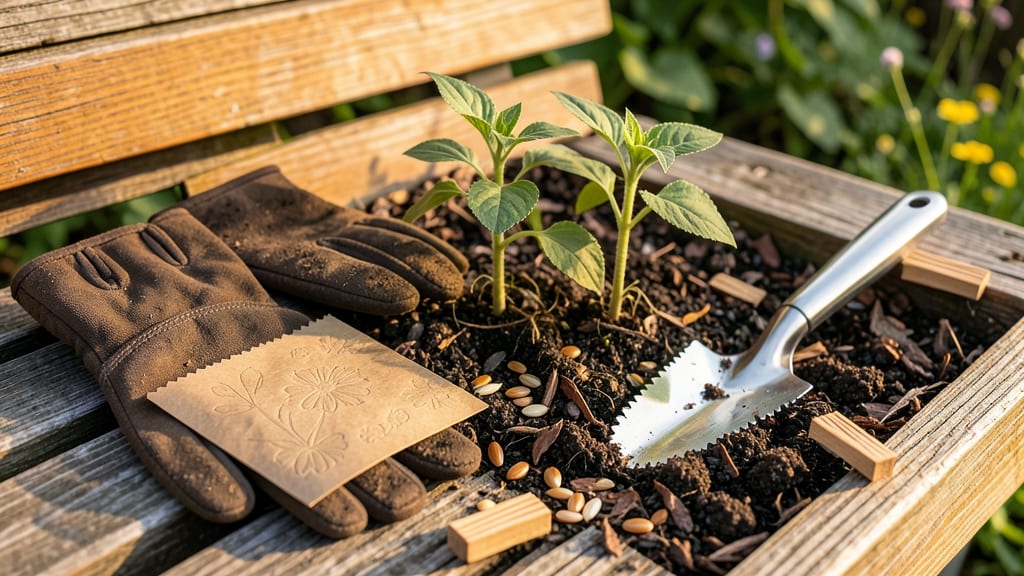
Planting sunflowers in fall is possible—but only if you pick the right varieties, time it just right, and protect them from early frosts.
Sunflowers are summer’s golden stars—but can they thrive if planted in fall? The answer depends on your climate zone, soil conditions, and a few key strategies that could turn late-season planting into a rewarding harvest.
In warmer zones like 8-10, fall sunflowers can grow tall and strong before winter, but in colder areas like 6a, you’ll need fast-maturing varieties and frost covers to give them a fighting chance.
Below, I’ll break down the best planting windows by zone, the top varieties for late-season success, and how to shield young plants from unexpected cold snaps—so you can enjoy sunflowers even when the calendar says it’s time to tuck in for winter.

Fall sunflower planting: climate zone guidelines for success
Fall sunflower planting is a gamble in most climates—but with the right timing and variety selection, you can coax these cheerful blooms to thrive before winter arrives. The key lies in understanding your USDA hardiness zone and adjusting your planting window accordingly.
In warmer zones (8-10), fall planting can yield stunning blooms, while cooler zones (3-6) require fast-maturing varieties and protective measures. Let’s break down the best strategies by zone to maximize your success.
Sunflowers need 90-120 frost-free days to mature, so fall planting pushes the limits in many regions. For example, a 60-day variety planted in USDA Zone 7 by early September might still produce blooms before hard frost, while the same variety in Zone 5 would likely bolt too early.
The solution? Choose early-maturing hybrids and plant them 6-8 weeks before your first frost date to ensure they reach maturity.
Here’s how to align your fall planting with your climate zone for optimal results:
| USDA Zone | Planting Window | Days to Maturity Needed | Recommended Varieties | Frost Protection Tips |
|---|---|---|---|---|
| 3-4 | Late July to early August | 50-60 days | 'Autumn Beauty,' 'Teddy Bear' | Row covers, cold frames |
| 5-6 | Mid-August to early September | 60-75 days | 'Moulin Rouge,' 'Russian Giant' | Black plastic mulch, cloches |
| 7-8 | Early September to mid-October | 75-90 days | 'ProCut,' 'Sunspot' | Lightweight row covers |
| 9-10 | October to November | 90-120 days | 'Russian Mammoth,' 'Giant Russian' | None (warm winters) |
In northern climates (Zones 3-6), focus on short-day varieties that mature quickly. Plant seeds 4-6 weeks before your first frost and use black plastic mulch to warm the soil and extend the season.
For example, in Zone 5, aim for a September 1st planting to ensure blooms by late October. If frost hits early, opt for dwarf varieties like 'Teddy Bear,' which can tolerate cooler temps better than towering giants.
Southern gardeners in Zones 8-10 have more flexibility. Here, you can plant sunflowers as late as October or even November in mild winters. The longer daylight hours in fall help sunflowers grow taller, making this an ideal time for tall varieties like 'Russian Mammoth.'
Just ensure your soil stays warm (above 60°F) for germination, as cooler soil can delay sprouting.
Adjust your planting depth based on soil temperature. In cooler zones, plant seeds 1 inch deep to protect them from temperature fluctuations, while in warmer zones, a ½-inch depth works well. Always water thoroughly after planting to encourage germination, and keep the soil consistently moist until seedlings emerge.
Mulch with straw or leaves to retain heat and moisture, especially in fall’s unpredictable weather.
One common mistake is assuming all sunflowers can handle fall planting. Tall varieties like 'Russian Giant' may not have enough time to mature in cooler zones, while dwarf or early-maturing types are better suited.
For instance, 'Sunspot' (50-60 days to maturity) is a reliable choice for fall gardens in Zones 4-7. Always check seed packets for days-to-maturity and adjust your planting date accordingly.
Monitor your local frost forecast and use protective measures like row covers or cloches to shield young plants from early frosts. Even a light frost can damage sunflower leaves, but the plant’s taproot often survives to regrow in spring.
In extreme cases, transplant seedlings to containers and move them indoors during cold snaps, though this is more common in Zones 3-5.
Fall-planted sunflowers can also serve as winter interest in your garden. Even if they don’t bloom, their textured seed heads add structure to winter landscapes. In warmer zones, you might even harvest seeds for next year’s planting.
To maximize your success, start with a small test batch of fast-maturing varieties and refine your approach based on your
5 Critical tips to grow sunflowers in fall (even in cold climates)
Yes, you can plant sunflowers in fall, but success hinges on timing, variety selection, and frost protection. In USDA zones 7-10, fall-planted sunflowers can thrive with the right approach, while zones 3-6 require extra precautions. The key is to choose fast-maturing varieties and extend the growing season strategically.
Fall planting offers unique advantages: cooler temperatures reduce pest pressure, and sunflowers benefit from longer daylight hours in early autumn. However, the shorter daylight later in the season can slow growth, so selecting compact or dwarf varieties is wise for colder regions.
Let’s break down the essential steps to maximize your chances of success.
🌱 Numbered Highlights: 5 Critical Tips for Fall Sunflower Success
- 1. Choose fast-maturing varieties like 'Autumn Beauty' (55-60 days) or 'Teddy Bear' (60-65 days) to ensure harvest before frost.
- 2. Test and amend soil for pH 6.0-7.0 and add compost to improve drainage and fertility.
- 3. Use frost protection like row covers or black plastic mulch to extend the growing season by 2-4 weeks.
- 4. Water deeply but less frequently—aim for 1 inch per week and avoid wetting foliage to prevent fungal diseases.
- 5. Plant companion crops like bush beans or marigolds to deter pests and improve soil health.
Start by selecting dwarf or semi-dwarf varieties for fall planting, as they mature faster than towering giants. Varieties like 'Autumn Beauty' or 'Moulin Rouge' are excellent choices, offering vibrant blooms in 55-65 days.
These varieties also tolerate cooler temperatures better than their taller counterparts, making them ideal for late-season gardens.
Prepare your soil at least 2-3 weeks before planting by testing its pH and adding organic matter like compost or aged manure. Sunflowers prefer well-draining soil with a pH between 6.0 and 7.0.
If your soil is heavy clay or sandy, mix in pearlite or coconut coir to improve structure and water retention.
Frost is the biggest threat to fall-planted sunflowers, so take proactive steps to protect your plants. Use floating row covers or low tunnels to create a microclimate that traps heat and delays frost damage.
For added insulation, lay down black plastic mulch around the base of plants—this warms the soil and can push back frost by 1-2 weeks.
Adjust your watering schedule to match the changing seasons. In early fall, water deeply 2-3 times per week to encourage strong root growth. As temperatures drop, reduce frequency to once per week or less, ensuring the soil remains moist but not soggy.
Always water at the base of the plant to avoid wetting the foliage, which can lead to powdery mildew.
Companion planting can work wonders for fall sunflowers by deterring pests and improving soil health. Pair them with bush beans to fix nitrogen in the soil or marigolds to repel nematodes and aphids.
Avoid planting near potatoes or cabbage family plants, as they compete for nutrients and attract similar pests.