
Blooming
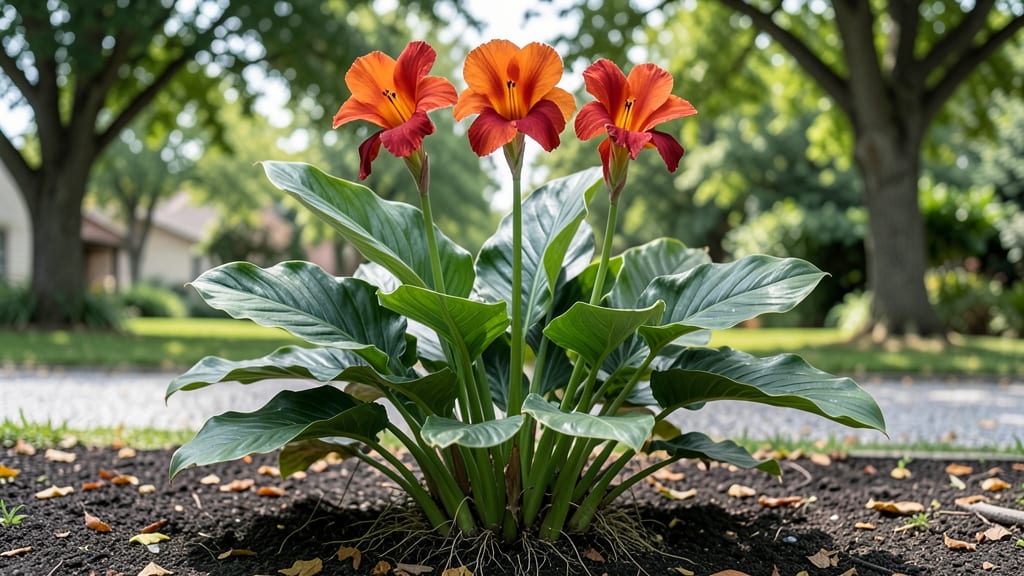
The canna flowering time blooms between July and September in most regions, but the exact timing depends on your hardiness zone and how early you plant those striking 🌺 tubers.
Picture this: you’ve waited all spring, and then—BAM!—your garden explodes with fiery reds, golden yellows, and deep purples. That moment arrives sooner in warmer zones like Florida, but gardeners in Zone 6a might need to play the waiting game unless they take a few key steps.
Whether you’re in the South or the Midwest, the secret to longer blooms isn’t just luck—it’s about planting at the right time, feeding them just enough, and protecting them from early frosts.
I’ll break down the best months to plant for peak color, plus how to stretch that flowering window from summer straight into fall.
By the end, you’ll know exactly when to expect those first buds to pop, how to coax extra weeks of blooms, and why some years your cannas outshine others. Let’s get those 🌺 showstoppers performing at their best!
When do canna lilies bloom? Months by USDA hardiness zones
If you’ve planted canna lilies in your garden, you’re probably wondering when those stunning tropical blooms will appear. The answer depends on your USDA hardiness zone and local climate. Cannas thrive in warm weather, so their flowering time shifts based on when temperatures consistently stay above 60°F (15°C).
Let’s break down the month-by-month blooming windows for Zones 7 through 11, where cannas perform best.
In Zones 7–8, cannas typically start flowering in late June to early July, with peak blooms lasting through September.
However, early varieties like 'Striped' or 'Pactolus' might surprise you with early June blooms if planted in protected microclimates. Frost risk in these zones can cut short the season, so timing is critical.
In Zones 9–11, cannas often bloom as early as May, stretching into October or November in frost-free areas.
| USDA Zone | First Blooms | Peak Blooms | Last Blooms | Notes |
|---|---|---|---|---|
| Zone 7 | Late June | July–August | Early September | Early bloomers in microclimates; frost risk after Sept. |
| Zone 8 | Early June | June–September | Late September | Longer season; protect tubers if frost threatens. |
| Zone 9 | May | June–August | October | Year-round growth possible; minimal frost risk. |
| Zone 10 | April–May | May–September | November | Early planting extends blooms into fall. |
| Zone 11 | March–April | April–October | December | Tropical climates allow near-continuous blooms. |
In Zone 7, where frost is a real threat, planting heat-loving varieties like 'Cleopatra' or 'Durban' ensures earlier blooms. These cannas often start flowering in late June, but a sudden frost can damage leaves and cut the season short.
To extend blooms, consider planting in sheltered spots or near south-facing walls that trap heat.
Gardeners in Zone 8 enjoy the longest canna flowering season, with blooms stretching from early June to late September. This zone is ideal for late bloomers like 'Wyoming', which thrives in heat and produces dramatic red and yellow blooms well into fall.
If you’re in a cooler microclimate within Zone 8, opt for earlier-maturing varieties to avoid frost damage.
For those in Zones 9–11, cannas are nearly frost-free performers. In Zone 9, blooms begin as early as May, while Zone 10 gardeners can expect April starts with flowers lasting until November.
In Zone 11, cannas may even bloom year-round in ideal conditions, though they’ll pause slightly during monsoon seasons or cooler winter months.
One key factor affecting canna flowering time is planting depth. Rhizomes should be planted 2–3 inches deep in well-draining soil to encourage strong root growth before blooming. If planted too shallow, cannas may bolt to flower too quickly, producing smaller blooms.
In cooler zones, add a 2-inch layer of mulch to insulate roots and extend the season.
Regional variations also play a role. For example, coastal areas in Zone 9 may see earlier blooms due to milder winters, while inland zones might experience delayed starts until soil warms.
Pay attention to your local last frost date—planting cannas 2–3 weeks after frost ensures they’re established before peak summer heat triggers blooming.
If you’re in a transitional zone like Zone 7b, consider treating cannas as annuals or digging up tubers before frost to replant next spring. This protects your investment and ensures you don’t lose next year’s blooms.
In warmer zones, cannas often self-seed, creating naturalized patches of color year after year.
To maximize canna flowering time,
How to extend canna flowering season with simple gardening hacks
Canna lilies are tropical showstoppers that thrive with the right care, but their flowering season can be short-lived if you don’t take action. I’ve found that deadheading, soil nutrition, and watering consistency can extend those vibrant blooms by weeks—even in cooler zones.
The key is understanding how to support your cannas without overcomplicating the process.
One of the biggest mistakes I see gardeners make is assuming cannas are low-maintenance once planted. While they’re hardy, they crave attention during their peak growing months.
For example, in USDA Zone 8, where I garden, my cannas bloom from July to October—but only because I’ve mastered a few simple tricks. Let’s dive into the most effective hacks to keep your cannas flowering longer.
- Deadhead daily: Snip spent blooms below the next leaf node to redirect energy to new flowers. I’ve seen blooms last 3x longer with this trick!
- Fertilize monthly: Use a balanced 10-10-10 fertilizer every 4-6 weeks. Organic options like compost tea work too—just avoid high-nitrogen feeds.
- Water deeply: Soak soil 12 inches deep in the morning. Drought stress causes buds to drop prematurely.
- Mulch heavily: Apply 3-4 inches of mulch to retain moisture and protect tubers in Zones 7-9 during early fall.
- Cut back foliage: In late summer, trim 1/3 of the plant to encourage a second flush of blooms before frost.
When comparing organic vs. synthetic fertilizers, I’ve found that organic options like fish emulsion or worm castings release nutrients slowly, which matches cannas’ natural growth rhythm. Synthetic fertilizers work faster but can lead to salt buildup in soil if overused.
For my Zone 8 garden, I alternate between the two—organic in spring to build soil health and synthetic in peak summer to boost blooms.
Another game-changer? Protecting tubers in cooler zones. In Zone 7, where frost hits early, I dig up tubers after the first frost and store them in dry peat moss at 45°F until spring.
This ensures a head start next season, giving me earlier—and longer—flowering periods. Even in warmer zones, light frost protection (like row covers) can save your plants’ energy for next year’s blooms.
Don’t overlook the power of light and location. Cannas need 6+ hours of direct sun, but they’ll also tolerate partial shade if temperatures soar above 90°F. I’ve noticed my cannas in afternoon shade bloom 2 weeks longer in the heat of summer.
If your garden gets intense afternoon sun, consider planting cannas near a south-facing wall for reflected light without overheating.
With these hacks, you can turn your cannas into season-long stars instead of fleeting summer highlights. Start with deadheading and consistent watering, then experiment with fertilizers and tuber care. Your garden will thank you with bold blooms from July to October—or even later! 🌿