
Planting
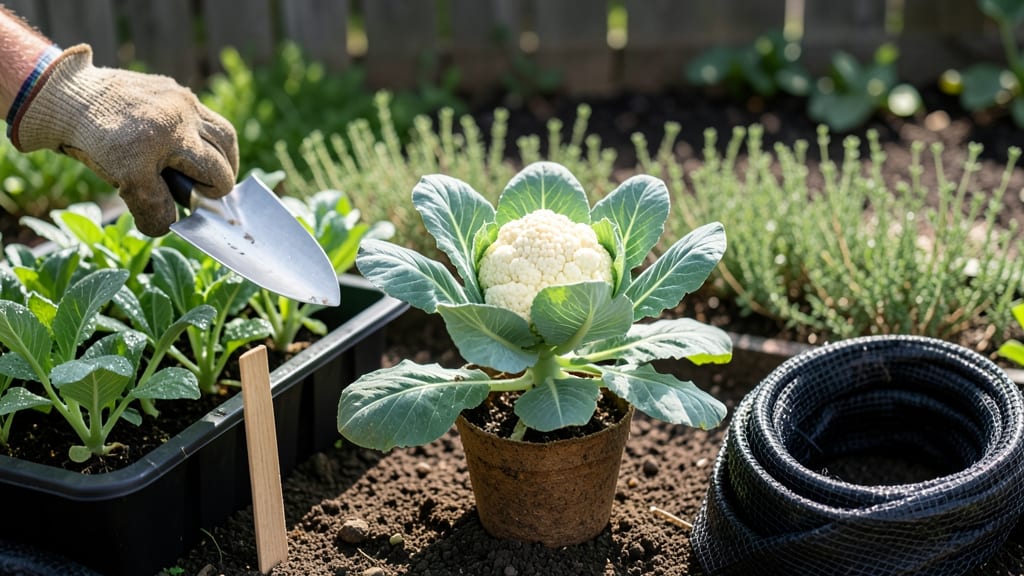
Timing your cauliflower planting right means the difference between a smooth, creamy harvest and a bitter, bolted disappointment. I’ve watched 🥬 plants go from perfect heads to bitter stalks in just two weeks—all because I missed the window.
If you’re in USDA Zone 6a (or nearby), your best shot is planting in March or early April, about 4-6 weeks before your last frost. But here’s the catch: cooler zones can start earlier, while warmer ones need to avoid summer heat.
I’ll break down the exact months for your zone, plus how to tweak timing for fast germination and bolt-proof heads.
You’ll also learn whether to start seeds indoors or sow directly, how to prep soil for peak flavor, and which companion plants keep pests away. No more guessing—just a foolproof schedule tailored to your climate.
Ready to grow cauliflower like a pro? Let’s get into the zone-by-zone planting calendar that’ll have you harvesting by summer.

USDA Zone planting calendar for cauliflower germination by month
Cauliflower thrives in cool weather and bolts when temperatures rise above 75°F (24°C). Your USDA zone determines the perfect planting window—whether you're in Zone 3's harsh winters or Zone 11's mild climate. Let’s break it down by month so you can time your cauliflower seeds for maximum success.
The key to growing cauliflower is planting when soil temps are 45-85°F (7-29°C) and nights stay cool. In northern zones (3-5), start indoors 6-8 weeks before your last frost date, while southern zones (7-11) can direct-sow in fall or winter to avoid summer heat.
Let’s dive into the month-by-month schedule by zone.
Pro Tip: Use shade cloth in hot zones (7-11) if planting in spring to prevent bolting. For cold-hardy varieties like 'Snowball Y Improved' or 'Purple of Sicily,' you can even plant in Zone 3 as early as late March under frost cloth.
| USDA Zone | Best Planting Months | Indoor Start (Weeks Before Last Frost) | Direct Sow Window | Cold-Hardy Varieties |
|---|---|---|---|---|
| 3-4 | March-April September-October |
6-8 weeks | Mid-April to early May Late August |
Snowball Y, Early Snowball |
| 5-6 | February-March August-September |
4-6 weeks | Early April to mid-May Late July |
Purple of Sicily, White Rabbit |
| 7-8 | January-February July-August |
3-4 weeks | Mid-March to April Late June |
Graffiti, Romanesco |
| 9-10 | October-November June-July |
Direct sow only | Mid-October to November Early June |
Cheddar, Orange King |
| 11 | September-October January-February |
N/A | September-October January-February |
Snowball 60, Violetta |
In Zones 3-4, your last frost date is critical. For example, if your frost date is May 15, start seeds indoors by March 15 and transplant mid-April.
In Zone 5, you can even squeeze in a fall crop by planting seeds in late July for a September-October harvest.
For Zones 7-11, summer heat is the enemy. Plant cauliflower in late fall or winter to avoid temperatures above 75°F (24°C). In Zone 9, for instance, direct-sow seeds in October for a January-February harvest, then repeat in June for a September crop.
If you’re in Zone 11, focus on winter planting (January-February) and fall planting (September-October). Use shade cloth during the day if temperatures rise above 80°F (27°C) to prevent bolting. Varieties like 'Snowball 60' are heat-tolerant but still prefer cooler weather.
Remember, soil temperature matters just as much as air temperature. Use a soil thermometer to confirm temps are 45-85°F (7-29°C) before planting. If soil is too cold, seeds won’t germinate, and if it’s too hot, they’ll rot. Aim for consistent moisture during germination to keep seeds from drying out.
For succession planting, sow new seeds every 2-3 weeks in spring or fall to ensure a steady harvest. In Zones 3-6, this means staggered plantings from March to May
How to adjust planting time for bolting-prone cauliflower varieties
Heat-sensitive cauliflower varieties like Purple of Sicily or Snowball Y Improved bolt quickly when temperatures rise above 75°F (24°C). To prevent this, I adjust planting times based on my USDA zone and local climate patterns. The key is planting early spring or late summer when soil temperatures stay cool.
For zones 3-5, I start seeds indoors 8-10 weeks before the last frost date. In warmer zones like 7-9, I opt for fall planting to avoid summer heat. Timing isn't just about the calendar—it's about soil temperature too.
⚠️ WARNING: CAULIFLOWER BOLTING TRIGGERS ⚠️
- Daytime temps exceed 80°F (27°C) for 3+ days
- Soil temps rise above 70°F (21°C)
- Plants receive inconsistent moisture during head formation
My go-to strategy is succession planting in 2-week intervals during spring.
For example, in Zone 6, I plant: - First batch: Mid-March (under cold frames) - Second batch: Early April (after last frost) - Final batch: Late August (for fall harvest) This staggered approach ensures a continuous harvest before summer heat sets in.
For shade cloth timing, I monitor local weather forecasts. When nighttime temps drop below 50°F (10°C) but daytime temps climb toward 75°F (24°C), I install 30% shade cloth during peak sun hours (11 AM–3 PM).
This simple trick buys me 2-3 extra weeks of growing time before bolting occurs.
Another pro tip: Choose bolt-resistant varieties like Cheddar or Graffiti if you're pushing the limits of your zone. These tolerate slightly warmer temps (80°F/27°C) better than traditional white varieties. Pair them with mulch (straw or grass clippings) to keep soil temps 5-10°F cooler than ambient air.
Remember, consistency is key. I track my cauliflower's progress in a garden journal, noting when heads form and when bolting starts. Over time, I've learned that Zone 7's ideal window is February-March for spring and August-September for fall—never June or July.
With these adjustments, I've gone from 50% bolted plants to 90% successful heads!