
Flowers
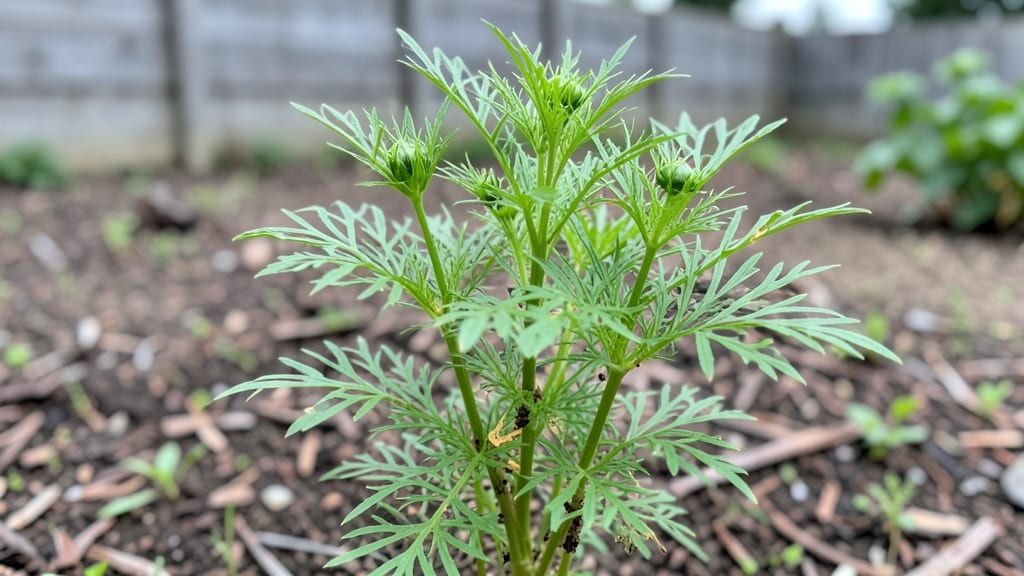
Nurturing cosmos before flowering 🌼 is where the magic happens—these early weeks determine whether you get towering stems or a bushy, bloom-packed display.
Your cosmos plants might seem like simple green stems now, but these early stages hold the secret to vibrant blooms later—if you know what to watch for and how to nurture them.
Too much water or too little sun at this stage, and you’ll end up with leggy, weak stems that flop over before they even think about flowering. But get the spacing, light, and feeding right, and you’ll be rewarded with weeks of continuous blooms from June through October.
Here’s exactly what to do in USDA Zone 6a to set your cosmos up for success—from planting in March to the first signs of buds in late summer.
Understanding cosmos growth stages before flowering: what to expect
Your cosmos plants begin their journey with delicate seedlings that quickly transform into sturdy stems—each phase offering clues about their future blooms. Recognizing these growth stages helps you provide the right care, ensuring your cosmos reach their full flowering potential.
From the moment seeds sprout to the pre-budding stage, cosmos undergo distinct transformations in height, leaf structure, and root development. Understanding these phases lets you spot healthy growth versus stress signals early, preventing common pitfalls like leggy stems or weak roots.
Here’s what to expect at each stage, along with key indicators to monitor your cosmos’ progress toward those vibrant blooms you’re dreaming of.
🌱
The seedling stage is where your cosmos’ journey begins. Look for tiny round leaves emerging from the soil, signaling successful germination. At this point, your plants are fragile, with shallow roots that need consistent moisture but no soggy soil.
During this phase, focus on keeping the soil lightly moist and providing indirect sunlight to prevent leggy seedlings. If leaves appear pale or yellow, it may indicate overwatering or nutrient deficiency, both of which can stunt future growth.
🌿
As your cosmos enter the vegetative stage, you’ll notice a rapid increase in height and leaf size. This is when they develop their signature fern-like foliage, which can grow 2-4 inches long.
Healthy plants will have deep green leaves with visible veins, while stressed plants may show yellowing or curling.
This stage is critical for root development. Your cosmos’ roots will extend 4-6 inches deep, anchoring them for future blooms. To support this growth, ensure they receive 6+ hours of sunlight daily and well-draining soil.
If you notice stunted growth or weak stems, it could be a sign of poor soil quality or inadequate sunlight.
☀️
The pre-budding stage is where your cosmos prepare for their flowering spectacle. You’ll see mature leaves with a slight reddish tint at the edges, a sign they’re transitioning toward bloom production. At this point, your plants should be 12-24 inches tall, with a strong taproot supporting their structure.
Pay close attention to the stem thickness and leaf health during this phase. Healthy cosmos will have sturdy stems and vibrant foliage, while stressed plants may exhibit wilting or discolored leaves. If you spot buds forming but no flowers, it could indicate nutrient imbalance or insufficient sunlight.
To encourage robust blooms, consider a light fertilizer application with a balanced NPK ratio (like 5-10-10) to support both foliage and flower development. Avoid over-fertilizing, as this can lead to excessive leafy growth at the expense of blooms.
🌻
Monitoring these growth stages ensures your cosmos thrive before they even think about flowering. By recognizing the height milestones, leaf changes, and root strength, you’ll be equipped to provide the perfect care—setting the stage for a show-stopping display of cosmos blooms all season long.
Critical care tips to maximize cosmos blooms from early growth
Your cosmos seedlings are growing fast, but without the right care now, those vibrant blooms you dream of might never appear. The pre-flowering stage is where you set the foundation for long, abundant stems and bold petals.
Think of it like giving your plants a growth boost before they even start showing off their colors.
From watering schedules that prevent leggy stems to sunlight optimization that fuels energy production, every detail matters. Even the soil nutrients you provide now will determine how many buds form later. Let’s dive into the critical care tips that’ll double your cosmos blooms this season.
- Water deeply 2-3 times weekly to encourage root growth—cosmos hate soggy soil but need consistent moisture. Aim for 1 inch of water per week, delivered in the morning to reduce fungal risk.
- Place in full sun (6+ hours daily) to maximize photosynthesis. A south-facing spot ensures strong stems and bud formation. If shade is unavoidable, use a reflective surface to bounce light.
- Fertilize lightly with a balanced 5-10-10 formula every 4-6 weeks. Over-fertilizing causes leafy growth at the expense of blooms. Mix 1 tbsp per plant into the top inch of soil.
- Pinch back the top sets of stems when plants reach 6 inches tall. This redirects energy to side shoots, resulting in 3-4 times more blooms. Use clean pruning shears for a crisp cut.
- Space plants 12-18 inches apart to prevent crowding, which weakens stems and reduces airflow. Good airflow reduces mildew and ensures healthier buds later.
Don’t overlook the soil quality—cosmos thrive in well-draining, slightly sandy soil with a pH of 6.0-7.0. Amend heavy clay with compost or perlite to improve aeration. A mulch layer (2-3 inches) also helps retain moisture and suppress weeds, giving your plants less competition.
Watch for pests like aphids or powdery mildew early on—these can stress plants before they even bud. A neem oil spray or soapy water solution (1 tsp dish soap per quart of water) keeps them at bay without harming your cosmos.
With these critical care tips, your cosmos will transition from green stems to a sea of blooms in no time. The key is consistency—water wisely, prune strategically, and feed moderately to unlock their full potential. Happy gardening! 🌼