
Flowers
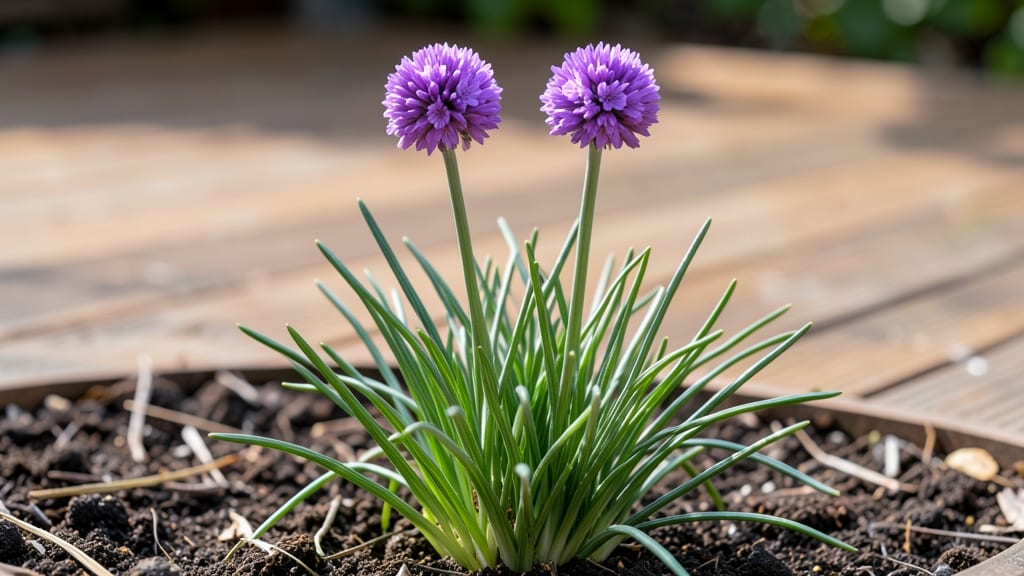
Chives do have flowers, and those delicate blooms are just as useful as their leaves 🌿 — you’ll find them rising above the foliage in late spring, adding a splash of purple to your garden and plate.
You might know chives as the mild, onion-like herb that brightens up soups and garnishes, yet few realize their edible blooms are just as versatile. Beyond their culinary uses, these flowers add beauty to plates and gardens alike.
Whether you’re growing chives for their flavor or their ornamental appeal, understanding their flowering cycle helps you time harvests and maximize your yield. The blooms appear after the leaves mature, typically between May and July, and can be snipped for garnishes, teas, or even dried decorations.
In this guide, I’ll cover how to identify chives flowers, when to harvest them, and creative ways to use them—plus tips to encourage more blooms in your garden. Let’s turn those purple stars into a culinary and decorative asset!
Chives flower identification: what to expect from their edible blooms
Yes, chives absolutely have flowers, and they’re one of the herb’s most charming features! These delicate purple blooms appear on tall, slender stems that rise above the grass-like foliage.
Unlike their leafy counterparts, these flowers aren’t just pretty—they’re fully edible and pack a milder, sweeter flavor with a subtle onion-garlic note.
The flowers typically emerge in late spring to early summer, depending on your climate and growing conditions. In USDA Zones 3-9, you’ll often see them blooming between May and July, though they can linger into early fall with proper care.
This makes them a seasonal highlight in both gardens and kitchens.
Chive flowers stand out among other Allium family members like garlic or onions. While those produce larger, globe-shaped umbels, chive blooms are smaller and more delicate, with 6-12 tiny star-shaped florets per stem. Each flower is about ½ inch wide and clusters together in a loose, airy formation that butterflies and bees adore.
The botanical name for chives, Allium schoenoprasum, gives us a clue about their flowering habits. Like other alliums, chives produce umbel-shaped clusters, but their blooms are more refined and clustered tightly compared to garlic’s bold, spherical heads.
This makes them perfect for edible landscaping—they’re ornamental yet functional!
One unique aspect of chive flowers is their two-phase growth cycle. After blooming, the flowers develop into seed pods that turn brown and papery. These pods contain tiny black seeds, which you can harvest for propagating new plants—a free way to expand your chive patch!
Just let a few stems go to seed each year to ensure continuity.
If you’re wondering whether chive flowers affect leaf production, the answer is usually no. While heavy flowering can temporarily reduce leaf growth, chives are perennial hardy herbs that bounce back quickly.
In fact, many gardeners encourage blooming because it signals the plant’s vitality and often improves flavor in both leaves and flowers.
For culinary enthusiasts, chive flowers are a game-changer. They’re 30-50% milder than the leaves, making them ideal for garnishes, salads, or infusions. Their delicate texture holds up beautifully in vinegars, syrups, and even desserts, adding a subtle floral note that complements savory dishes.
To identify chive flowers in your garden, look for tall, hollow stems emerging from the center of your chive clump. The purple blooms will appear first as tight buds, then unfurl into their star-like formations.
Unlike wild garlic or onions, chive flowers don’t drop bulbils (small bulb-like offsets)—they produce true seeds instead.
If you’re growing chives in containers or pots, their flowers may appear slightly earlier or later than in-ground plants due to temperature fluctuations. Container-grown chives also bolt more quickly in hot climates, so providing afternoon shade can help extend the blooming season and keep your plants productive.
Whether you’re a gardener, chef, or pollinator advocate, chive flowers offer something special. They’re beautiful, edible, and low-maintenance, making them a must-have for any herb garden.
Next time you spot those purple stars reaching for the sky, remember—they’re not just pretty, they’re packed with flavor and purpose!
How to harvest and use chive flowers for cooking and Decorating
Once you spot those delicate purple chive blooms rising above your herb patch, you’re holding a culinary and decorative treasure. Unlike their mild onion-flavored leaves, chive flowers pack a more intense, slightly spicy kick—perfect for elevating dishes or adding whimsy to tablescapes.
The best part? They’re just as easy to harvest as the leaves, with minimal effort for maximum flavor and beauty.
Timing is everything when harvesting chive flowers. Pick them in the morning after dew dries but before the sun intensifies their flavor. Use clean sharp scissors or fingers to snip stems just above a leaf node, leaving enough foliage for regrowth.
Avoid over-harvesting—never take more than one-third of the blooms at once, or you’ll stunt future flowers.
- 🌷 Harvesting Tips
- 🌿 When to Pick: Harvest fully open blooms in late spring to summer (May–July) for peak flavor.
- 💧 Storage: Keep stems in water like cut flowers for 3–5 days in the fridge.
- 🌱 Drying: Hang upside-down in paper bags for 1–2 weeks to preserve for teas or garnishes.
- 🍽️ Culinary Uses: Garnish soups, salads, or cocktails—their mild onion-garlic notes complement creamy dishes.
- 🎨 Decorating: Use in flower salads, syrups, or pressed arrangements for edible elegance.
For culinary adventures, chive flowers shine in ways leaves can’t. Toss them into butter, yogurt sauces, or honey syrups for a floral twist. Their milder, sweeter flavor compared to leaves makes them ideal for desserts like fruit salads or cheese boards.
Pro tip: Freeze dried flowers in ice cubes for a pop of color and flavor in drinks.
Beyond the kitchen, chive flowers bring garden-to-table elegance. Arrange them in vases with fresh herbs or scatter over charcuterie boards for a rustic touch. Their vibrant purple hue contrasts beautifully with greens, and bees adore them—planting chives attracts pollinators while boosting your harvest.
If you’re preserving flowers for later, try infusing them into vinegar or oil. Steep 1 cup blooms in 2 cups white vinegar for 2 weeks, then strain for a tangy, floral dressing.
For a sweet syrup, simmer flowers with equal parts sugar and water until dissolved—perfect for drizzling over pancakes or cheeses.
Remember, harvesting flowers encourages more blooms if done right. After picking, fertilize lightly with compost tea and ensure 6+ hours of sun daily. With care, your chives will reward you with continuous blooms all season, turning your herb garden into a dual-purpose edible landscape. 🌿