
Flowers
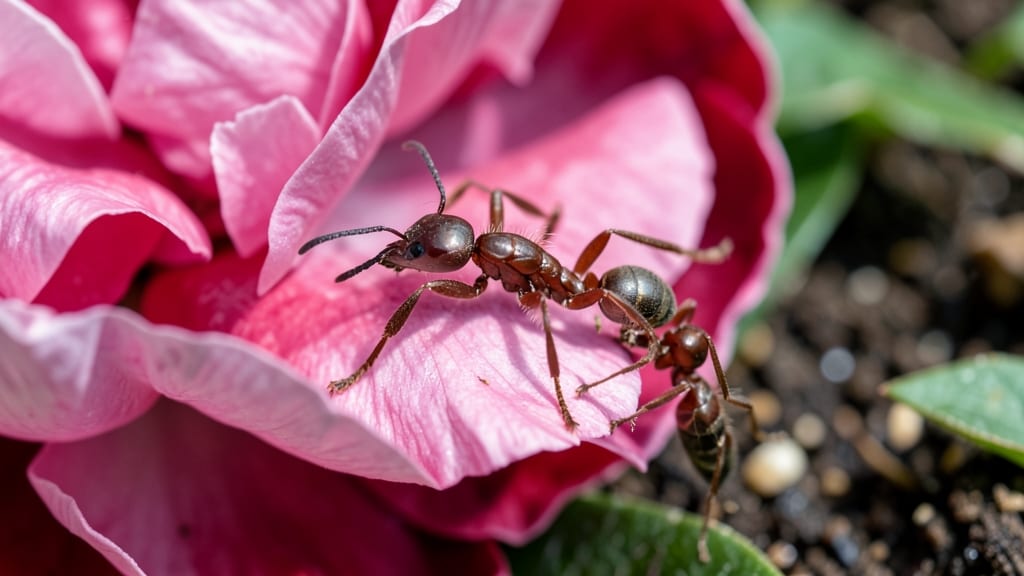
Ants on peony flowers 🌸 aren’t just a nuisance—they can ruin your blooms by damaging petals and spreading pests.
Discovering tiny ants crawling on your prized peony blooms can be frustrating—especially when they threaten to ruin your garden’s beauty. These unwelcome visitors aren’t just annoying; they can damage petals, attract pests, and even spread diseases if left unchecked.
Most gardeners assume ants are harmless, but their presence on peonies signals a bigger problem. They feed on nectar, leaving sticky trails that deter pollinators and weaken the plant’s health over time.
In this guide, I’ll show you how to quickly identify these pests, remove them safely, and keep your peonies ant-free for years to come—so you can enjoy those stunning blooms without the hassle.
How to identify peony ants and their harmful impact on flowers
When you spot tiny ants marching across your peony blooms, they’re likely sugar ants or honeydew-producing aphid attendants—both common culprits in flower gardens. These pests don’t just steal your peonies’ beauty; they create sticky messes and weaken plants by attracting other insects.
The first step to protecting your peony flowers is correctly identifying these ants and understanding their destructive habits.
Most peony-infesting ants belong to the Lasius or Formica genera, recognizable by their 2-3mm bodies, dark brown/black color, and straight antennae. Unlike harmless ground-dwelling ants, these species form trails directly onto blooms, leaving behind silver trails from their tarsal glands.
Their presence often signals an underlying problem—like aphids or scale insects—that ants farm for honeydew.
Visual identification is critical. Look for these key traits: - Size: 1/8 to 1/4 inch long (tiny enough to hide in petal folds) - Color: Dark brown/black (some species have reddish legs) - Behavior: Marching in straight lines toward sticky deposits on leaves - Trails: Shiny, silver paths on stems and petals
Here’s how these ants damage your peony flowers: 1. Petal destruction: Ants chew delicate petals, creating ragged edges and unsightly holes 2. Honeydew buildup: Their aphid "farmers" produce sticky residue that blocks sunlight and fosters sooty mold 3. Root damage: Some species tunnel into soil, weakening peony roots over time 4. Disease spread: Contaminated trails introduce pathogens like powdery mildew to open wounds
| Ant Type | Size | Color | Key Damage Signs | Peony Impact |
|---|---|---|---|---|
| Sugar Ants (Lasius) | 2-3mm | Dark brown/black | Silver trails, chewed petals, sticky residue | Petal deformation, reduced bloom quality |
| Honeydew Ants (Formica) | 3-4mm | Reddish legs | Aphid colonies, sooty mold, root tunnels | Root rot, premature leaf drop |
| Carpenter Ants (Larger) | 5-12mm | Black/yellow markings | Hollow stems, sawdust-like frass | Structural damage to peony crowns |
The most obvious sign of ant infestation is visible trails on your peony stems and petals.
Check for these red flags during morning inspections: - Sticky deposits on lower leaves (aphid honeydew) - Black sooty mold growing on sticky surfaces - Wilting petals with tiny holes along edges - Ants carrying white grubs (larvae) near roots
Ants often target peony buds first because they’re rich in sugars. Once they breach the bud, they create entry points for bacterial infections like Botrytis blight, which causes brown, mushy petals.
In severe cases, your entire peony bush may produce fewer blooms or develop stunted growth as energy is diverted to repairing damage.
Timing matters—ants are most active during peony bloom season (May-June) when temperatures reach 70-85°F. Early morning is the best time to spot them because they’re sluggish in cooler conditions.
Use a hand lens to examine petal undersides where ants often hide, and look for tiny white eggs or aphid clusters that reveal their farming operations.
If you notice ants on newly opened peony blooms, act quickly. These ants will: 1. Chewing petal edges within 24 hours of infestation 2. Forming protective clusters around aphids by day 3 3. Creating visible trails to/from soil by day 5 4. Spreading to neighboring plants within 1-2 weeks
Pro tip: Place yellow sticky traps near your peonies to monitor ant activity. If you catch more than 5 ants per trap per day, it’s time to implement removal methods. The key is early intervention—once ants establish trails, they’re harder to eliminate without harming your peony flowers.
Natural and chemical removal methods to eliminate ants from peony blooms
When ants invade your peony blooms, they don’t just create an unsightly mess—they can also damage delicate petals and attract other pests. The good news? You have effective options to tackle this issue, whether you prefer natural remedies or chemical solutions.
The key is choosing the right method for your garden’s needs.
Timing is everything when treating ants on peonies. Apply remedies early in the morning or late afternoon to avoid harming beneficial insects like bees. Also, focus on ant trails and nests near the base of your peonies, as this is where the problem starts.
Let’s explore your options step by step.
Natural vs. Chemical Ant Removal for Peonies
Natural Methods
- Pros: Safe for plants, eco-friendly, no residue
- Cons: Slower results, requires repetition
Chemical Methods
- Pros: Fast-acting, long-lasting
- Cons: Toxic to beneficial insects, requires caution
For natural solutions, start with a vinegar spray. Mix equal parts white vinegar and water in a spray bottle, then target ant trails and nests. Reapply every 3-4 days until the ants disappear.
Another effective option is diatomaceous earth, a fine powder that dehydrates ants. Sprinkle it lightly around the base of your peonies and avoid direct contact with blooms.
If natural methods aren’t cutting it, consider chemical insecticides like pyrethrin-based sprays or ant baits with borax. These are highly effective but should be used sparingly and only when necessary. Always follow the label instructions and avoid spraying during blooming season to protect pollinators like bees.
After treating your peonies, monitor the area for 2-3 weeks to ensure the ants are gone. If you notice new activity, repeat the treatment or switch methods. The goal is to eliminate the colony while keeping your peonies healthy and vibrant for years to come.
Remember, prevention is just as important as treatment. Once the ants are gone, focus on keeping your garden clean and removing food sources like fallen petals or spilled water. This will help prevent future infestations and keep your peonies looking their best.