
Pests
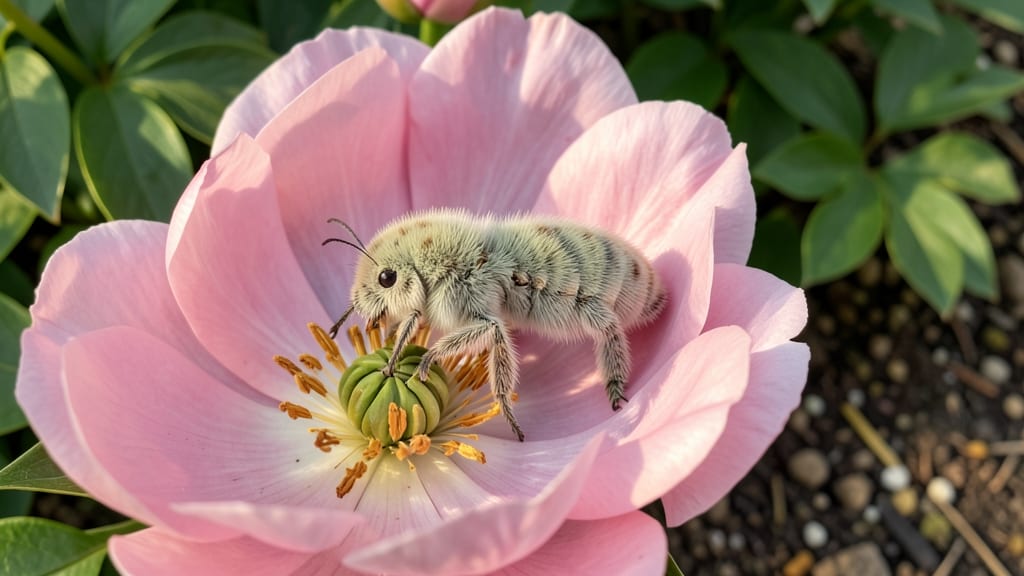
Peony flowers are often thought to be deer-resistant, but deer do eat them — and once they discover your garden’s sweet, tender blooms, they’ll keep coming back.
Picture this: you’ve spent months waiting for your 🌸 peonies to burst into color, only to wake up to half-munched petals. It’s frustrating, but here’s the good news: with the right strategies, you can outsmart these garden guests.
Deer are drawn to peonies for their mild scent and tender stems, but their appetite doesn’t mean your blooms are doomed. From natural repellents to smart planting tricks, there are simple, effective ways to protect your peonies without harming the local wildlife.
Below, I’ll walk you through the science behind deer’s love for peonies and share five proven deterrents that actually work—so you can enjoy your garden without the constant nibbling.
Why deer eat peony flowers: the science behind their garden buffet
Peonies are often considered deer-resistant perennials, but that doesn’t mean they’re completely safe from hungry deer. The truth is, deer do eat peony flowers—especially when other food sources are scarce. Understanding why deer target these lush blooms helps you protect your garden more effectively.
Deer are selective browsers, not mindless munchers. They prioritize plants with high moisture content, sweet nectar, and tender stems. Peonies fit this bill perfectly, especially during late spring and early summer when deer are searching for fresh, nutrient-rich meals.
Peony flowers contain natural sugars that deer find irresistible. Their delicate petals and fragile blooms are easy to nibble, making them a high-value snack. Unlike woody shrubs, peonies offer soft, edible parts that deer can consume without much effort.
Deer behavior also shifts with seasonal changes. In early spring, they may ignore peonies while grazing on fresh clover or grass. But by late spring, when peonies are in full bloom, deer see them as a prime food source—especially in gardens where other vegetation is limited.
Another factor is garden location. Deer are more likely to raid peonies in wooded edge gardens or areas with limited alternative food. Urban and suburban gardens with neatly manicured lawns can also attract deer, as they seek out unexpected food sources like peony blooms.
Peonies’ aromatic scent can actually attract deer rather than repel them. While some gardeners assume strong fragrances deter wildlife, deer are drawn to the sweet, floral aroma of peonies—especially herbaceous varieties like 'Sarah Bernhardt' or 'Bowl of Beauty'.
Deer also target peonies because they’re non-toxic. Unlike plants like foxglove or lily of the valley, peonies won’t make deer sick. This makes them a safe, easy choice for browsing deer, particularly in early morning or late evening when they’re most active.
| Peony Trait | Why Deer Target It | Deer Preference Level |
|---|---|---|
| Soft, tender petals | Easy to nibble without resistance | High |
| Sweet nectar | Attracts deer like a natural snack | Very High |
| High moisture content | Hydrating for deer in dry seasons | High |
| Non-toxic | Safe for deer to consume | Very High |
| Aromatic scent | Draws deer closer to investigate | Moderate |
Deer are also opportunistic feeders, meaning they’ll adapt their diet based on what’s available. In urban gardens, where lawns are neatly trimmed, deer may turn to peonies as their primary food source during drought conditions or late summer when other plants wilt.
If you’ve noticed deer activity in your garden, observe their feeding patterns. They often start with the outer petals of peony blooms, working their way inward. This selective browsing can leave flowers looking ragged and uneven, even if the entire bloom isn’t consumed.
While peonies aren’t as deer-loved as hostas or tulips, they’re still on the menu—especially for deer with limited food options. The key to protecting them lies in understanding deer behavior and implementing targeted deterrents before they become a regular snack.
5 Proven deer deterrents for peony gardens (ranked by effectiveness)
Peonies may look tough with their ruffled petals and thick foliage, but deer find them irresistible—especially when buds form in spring. While not as commonly browsed as hostas, peony flowers rank high on their menu due to their sweet nectar and tender stems.
The good news? These 5 field-tested deterrents can save your blooms without harming local wildlife.
Before choosing a method, understand that deer behavior varies by region and season. In spring and early summer, when peonies bloom, hungry deer will target gardens with minimal barriers. The most effective solutions combine physical protection with natural repellents and behavioral disruption.
My top-rated deterrent is 8-foot tall fencing wrapped in deer-resistant netting. While expensive upfront, it’s the only method that offers 100% protection year-round. Install fencing at least 6 inches below ground to prevent digging, and extend it 12 inches above to deter jumping deer.
For a budget-friendly alternative, use plastic tree guards around individual peony stems—deer dislike the plastic texture and will often avoid them.
Next, try commercial deer repellents like Liquid Fence or Deer Out, which contain putrescent egg solids or garlic-based compounds that deer find offensive. Reapply every 2-4 weeks or after rain.
For a natural DIY option, mix 1 gallon of water with 2 cups of rotten eggs, 1 cup of cayenne pepper, and 1/2 cup of soap. Spray on foliage and stems—reapply weekly for best results.
Plant companions like lavender, rosemary, or Russian sage create a natural deer barrier while adding fragrance to your garden. Deer avoid these strong-scented plants, so interplant them around peony beds.
Another trick? Add alliums or daffodils nearby—deer dislike their toxic bulbs and will often bypass entire sections of your garden.
For behavioral disruption, install motion-activated sprinklers like ScareCrow. The sudden burst of water startles deer without harming them. Alternatively, hang reflective tape or old CDs from strings above peony beds—the flashing light confuses their instincts.
Finally, consider a dog or even a radio playing near your garden; deer are skittish around unpredictable noises.
Combine 2-3 methods for maximum effectiveness. For example, use fencing around the perimeter, repellent sprays in the center, and companion plants along borders. Rotate strategies seasonally—deer may ignore repellents in winter but become bolder in spring when food is scarce.
With persistence, you can protect your peonies while keeping your garden deer-friendly overall. 🌸