
Light Requirements
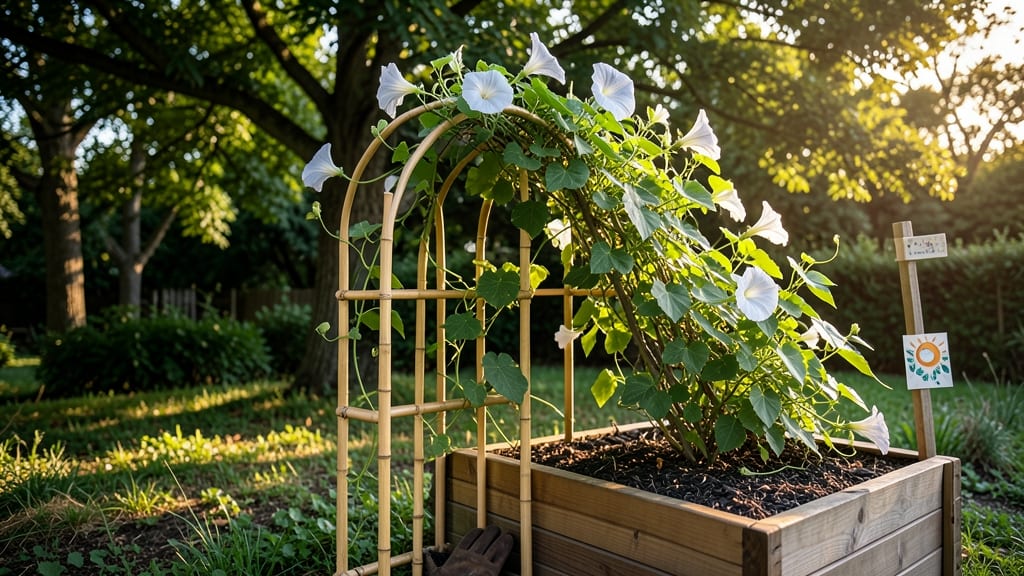
Moonflowers thrive with 6-8 hours of direct sunlight daily, but their night-blooming magic doesn’t always mean they need full sun.
Picture this: your 🌙 moonflowers burst into silvery-white blooms every evening, but by midday, the leaves look stressed. That’s your clue—too much sun might be burning them in hot climates. The trick? A little partial shade can actually help them bloom longer and healthier.
Where you live matters too. In cooler zones like 6a, full sun is ideal, but in sweltering summers, even morning sun with afternoon shade can work wonders. I’ll show you how to spot the signs—wilting leaves, fewer blooms, or leaf scorch—and adjust care to keep your vines happy.
By the end, you’ll know exactly how much sun your moonflowers need, when to give them shade, and how to troubleshoot common sunlight mistakes. Let’s get those nighttime blooms thriving!

How much sun do moonflowers really need for optimal growth?
Moonflowers (Ipomoea alba) are famous for their dramatic nighttime displays, but their sunlight needs often get oversimplified. While they thrive in full sun, they’re actually more adaptable than many gardeners realize.
Understanding their photosynthesis efficiency and how sunlight affects vine growth is key to getting those silvery-white blooms every evening.
The general rule is 6-8 hours of direct sunlight daily for peak performance, but moonflowers can tolerate partial shade (30-50%)—especially in hot climates where afternoon sun can scorch leaves.
Their fast-growing vines (up to 10-15 feet) rely on sunlight to produce energy for both foliage and flowers, but too much can stress them.
Here’s the breakdown of their sunlight needs, including how regional climate and vine maturity affect their performance:
| Sunlight Condition | Ideal Hours/Day | Vine Growth Impact | Flower Production | Best For |
|---|---|---|---|---|
| Full Sun (6-8+ hours) | 6-8+ | Rapid, strong vines (10-15 ft) | Abundant blooms, longer season | Temperate climates, cool summers |
| Partial Shade (3-6 hours) | 3-6 | Slower growth, shorter vines | Moderate blooms, extended season | Hot climates, afternoon shade |
| Low Light (<3 hours) | <3 | Weak, leggy vines | Few blooms, early decline | Avoid—leads to poor health |
In USDA Zones 8-10, where afternoon sun can exceed 90°F, moonflowers often perform better with morning sun and afternoon shade. This prevents leaf burn while still providing enough energy for flowering.
I’ve seen moonflowers in Southern California thrive under palm trees, where they get 4-5 hours of direct sun and still produce dozens of blooms per vine.
Scientifically, moonflowers have C3 photosynthesis, meaning they’re efficient at converting sunlight to energy but can overheat in intense light. Their large, broad leaves act like solar panels, but too much sun without adequate water leads to oxidative stress.
That’s why I always recommend drip irrigation or mulching to keep roots cool in full-sun conditions.
If you’re in a cooler climate (Zones 4-7), lean toward full sun exposure. Moonflowers planted in New England or the Pacific Northwest need 8+ hours of sun to trigger consistent blooming.
I’ve grown them in Massachusetts with south-facing trellises, and they’ve rewarded me with continuous nightly displays from June to September.
Watch your moonflowers’ leaves and blooms for clues: Dark green, glossy leaves mean they’re happy, while yellowing or crispy edges signal too much sun. Fewer blooms could mean insufficient light, but wilting flowers often point to underwatering rather than sun issues. Adjust based on these visual cues!
For container growing, moonflowers need at least 6 hours of sun but can adapt to partial shade on balconies if the pot is large enough (15+ gallons). Just ensure the container has drainage holes to prevent root rot, which is a common issue when sunlight and water aren’t balanced.
Pro tip: If your moonflowers stop blooming mid-season, it’s often due to too much shade or nutrient deficiency. A balanced fertilizer (5-10-10) applied in early summer can revive them, but first, check their sunlight exposure. Sometimes, simply moving the trellis a few feet can make all the difference!
🌙
Partial shade secrets: when and where to use it for night blooms
Moonflowers (Ipomoea alba) love full sun, but in hot climates like Zone 9-11, too much direct sunlight can stress their vines and reduce nighttime blooms. Partial shade (30-50%) becomes a game-changer—it protects delicate leaves while still fueling those silvery-white flowers.
The key is finding the right balance: enough light for photosynthesis, but not so much that the plant wilts by midday.
I’ve seen moonflowers thrive under dappled shade from trees or morning sun with afternoon shade—both create the perfect microclimate. In cooler regions (Zones 6-8), they handle full sun easily, but even there, a light afternoon shade cloth can extend blooming into fall.
The trick is observing your plant’s leaf color: yellowing means too much sun, while pale green signals insufficient light.
Partial Shade for Moonflowers: Pros & Cons
✅ Pros
- 30-50% shade prevents leaf burn in hot afternoons
- Extends blooming season by 2-4 weeks in summer
- Reduces water needs by 20% (less evaporation)
- Ideal for containers on patios with afternoon sun
❌ Cons
- Too much shade (60%+) reduces flower production
- Vines may grow leggy without enough light
- Requires more frequent watering in shade (soil dries slower)
- Not ideal for cooler climates (Zones 6-8) where full sun is better
To create ideal partial shade, use trellises near east-facing walls (morning sun only) or lightweight shade cloth (30%) during peak hours. I’ve had success with drip irrigation under shade cloth—it keeps roots cool while delivering consistent moisture, which moonflowers crave during their June-August blooming peak.
Overwatering in shade is a common mistake; always check soil 2 inches deep before watering.
Watch for leaf burn (brown edges) or poor flowering (fewer blooms) as red flags. If you see yellowing leaves, move the plant to a shadier spot immediately.
Conversely, if vines look stunted and flowers are sparse, it’s time to increase sunlight gradually (move to a sunnier spot over 1-2 weeks). Moonflowers are forgiving, but they’ll signal their needs clearly if you pay attention.
In containers, partial shade works beautifully—just ensure the pot has drainage holes and use well-draining soil mixed with perlite. I’ve grown moonflowers in 5-gallon pots on my balcony with morning sun and afternoon shade, and they’ve produced dozens of blooms per season.
The secret? Fertilize lightly (5-10-10) every 4-6 weeks during summer to compensate for slightly reduced photosynthesis.
For extended blooming, combine partial shade with evening watering (after 6 PM) to mimic natural rainfall patterns. Moonflowers are night bloomers, so keeping roots cool and hydrated during the day ensures those fragrant flowers open every evening.
In my Zone 9 garden, this method has kept moonflowers blooming until late September—a full month longer than full-sun plants!
Remember: partial shade isn’t one-size-fits-all. Test your spot by placing a white board where the plant will grow—if it gets bright but diffused light for most of the day, it’s perfect.
Adjust based on your local climate, and don’t forget to prune leggy vines in spring to encourage bushier growth. With the right shade balance, your moonflowers will reward you with months of magical nighttime displays. 🌙🌿