
Orchid Care
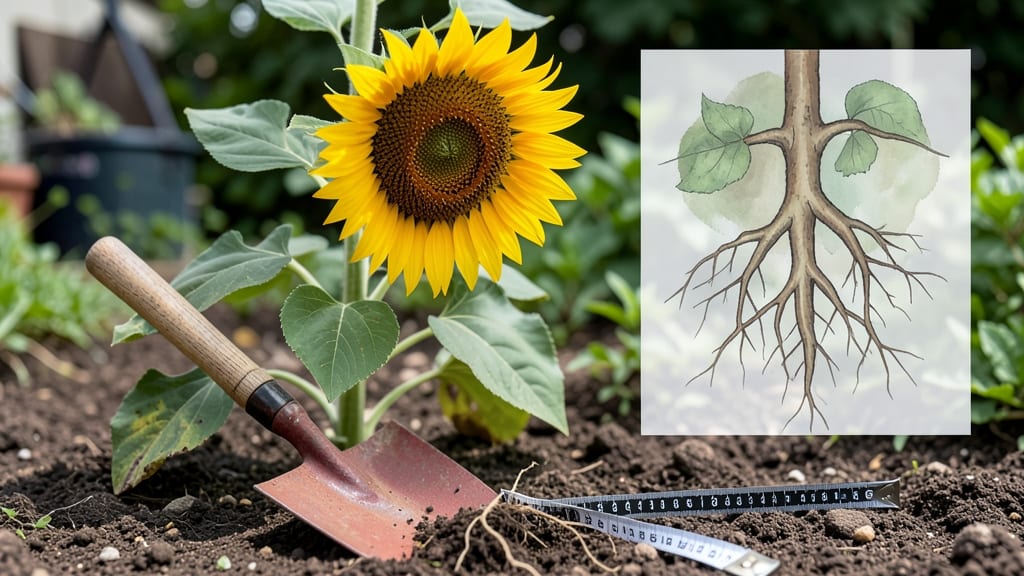
Sunflowers do have deep roots, developing surprisingly deep systems that can reach 3 to 5 feet into the soil 🌻, far deeper than most gardeners expect.
If you’ve ever wondered why your sunflowers wilt despite regular watering or how to fit them into a small garden, their root systems hold the answer. These roots don’t just anchor the plant—they determine spacing, water needs, and even drought tolerance.
For gardeners in USDA Zone 6a, knowing this means planting them at least 12 to 18 inches apart to avoid competition. Dwarf varieties may need less space, but their roots still dive deep, making containers tricky unless you use large pots.
Below, I’ll break down how root depth affects your planting strategy, from soil prep to watering schedules, so you can grow sunflowers that thrive without guesswork.
How deep do sunflower roots actually grow? (Surprising facts about their spread)
Sunflowers are one of the fastest-growing plants in gardens, but their root systems often surprise even experienced gardeners. While their towering stems reach for the sky, their roots don't always follow the same dramatic growth pattern.
The depth and spread of sunflower roots vary dramatically by variety, soil conditions, and even water availability.
Most gardeners assume sunflowers need deep soil to support their height, but the truth is more nuanced. Giant varieties like 'Russian Giant' develop roots that can penetrate 3-4 feet deep, while dwarf varieties like 'Teddy Bear' stay shallower at just 1-2 feet.
This variation directly impacts your planting decisions, especially in containers or small gardens.
The key to understanding sunflower roots lies in their taproot system. Unlike fibrous-rooted plants, sunflowers develop a single, thick primary root that anchors deeply, with lateral roots branching out horizontally. This structure makes them surprisingly drought-tolerant once established, but it also means they need proper soil preparation before planting.
Here's what you need to know about sunflower root depth by variety, along with how it compares to their above-ground growth:
| Variety Type | Root Depth | Lateral Spread | Mature Height | Soil Needs |
|---|---|---|---|---|
| Dwarf Varieties (e.g., 'Teddy Bear') | 12-24 inches | 18-24 inches | 1-3 feet | Loose, well-drained |
| Semi-Dwarf (e.g., 'Moulin Rouge') | 24-36 inches | 24-36 inches | 3-6 feet | Moderately deep |
| Standard (e.g., 'Autumn Beauty') | 36-48 inches | 36-48 inches | 6-10 feet | Deep, fertile |
| Giant (e.g., 'Russian Giant') | 3-4 feet | 48+ inches | 10-14 feet | Very deep, loose |
Note: Root depth varies with soil type and moisture conditions.
The taproot system of sunflowers means their primary root grows straight down, while secondary roots spread horizontally. This creates a cone-shaped root zone that's wider at the surface and narrower at depth.
In loose, sandy soils, roots can penetrate deeper than in compacted clay, which is why amending your soil with compost before planting makes a noticeable difference.
One surprising fact about sunflower roots is their rapid early growth. Within just 2-3 weeks after germination, the taproot can reach 12 inches deep, while the shoot grows above ground. This early root development helps sunflowers establish themselves quickly, making them resilient to transplant shock if moved carefully.
For gardeners with limited space, dwarf varieties are excellent choices because their shallower roots (12-24 inches) make them perfect for containers or small gardens. However, even these varieties benefit from at least 18 inches of soil depth to prevent root binding.
In containers, use a minimum 5-gallon pot for dwarf sunflowers to accommodate their root spread.
The horizontal spread of sunflower roots is often underestimated. While the taproot goes deep, lateral roots can extend 2-3 feet outward from the stem, especially in nutrient-rich soils. This means you should space sunflowers 18-24 inches apart to prevent competition for water and nutrients, even for dwarf varieties.
If you're growing sunflowers in heavy clay soil, their roots may struggle to penetrate deeply. To improve root development, mix in organic matter like compost or aged manure before planting.
This creates a looser soil structure that encourages deeper root growth, particularly important for tall varieties that need strong anchorage.
Understanding sunflower root depth helps with watering strategies too. Since most roots are in the top 12-18 inches of soil, watering deeply but infrequently encourages roots to grow deeper in search of moisture.
Aim for 1-2 inches of water per week during the growing season, delivered at the soil base rather than overhead.
For those growing sunflowers in containers, monitor root growth closely. When roots start circling the pot (a sign of being root-bound), it's time to upgrade to a larger container or transplant to the garden. This typically happens within
Garden space planning: can sunflowers grow in containers or small yards?
If you love the cheerful sunflower but think your space is too small, think again! While sunflowers are known for their towering height, their root systems aren't as aggressive as many gardeners fear.
With the right approach, you can grow stunning sunflowers in containers or tight spaces—even in urban balconies or tiny yards. The key lies in understanding their root depth and how it impacts planting strategies.
Sunflowers develop a primary taproot that can reach 3-5 feet deep in ideal conditions, but their lateral roots spread just 1-2 feet outward. This means you don't need a massive garden bed—just deep enough soil to accommodate their vertical growth.
For containers, this translates to pots that are at least 12-18 inches deep, even for standard varieties. Dwarf sunflowers (1-3 feet tall) can thrive in shallower containers (8-12 inches deep).
Do Sunflowers Have Deep Roots? Pros & Cons for Small Spaces
✅ Pros
- Deep roots mean better drought tolerance once established
- 12-inch-deep containers work for dwarf varieties
- Minimal lateral spread (1-2 feet) saves space
- Companion planting with shallow-rooted plants is possible
- Container-grown sunflowers can be moved seasonally
❌ Cons
- Standard varieties need 18+ inch deep pots
- Heavy containers require sturdy stands for wind
- Root-bound stress can stunt growth in small pots
- Limited soil volume means more frequent watering
- Tall varieties may need staking even in containers
For container gardening, choose varieties like 'Teddy Bear' (3-4 feet tall) or 'Moulin Rouge' (3-5 feet)—both thrive in 12-15 inch deep pots. Place 3-4 drainage holes in the bottom and use a lightweight potting mix with perlite to prevent compaction.
If growing standard sunflowers (6-14 feet), opt for 5-gallon containers or larger to accommodate their deep taproots.
In small yards, space sunflowers 18-24 inches apart in rows that are 2-3 feet apart. Their minimal lateral spread means you can interplant with shallow-rooted companions like bush beans, radishes, or lettuce.
Avoid planting near tomatoes or peppers, as they compete for nutrients. Mulch around the base to retain moisture and prevent soil compaction, which can restrict root growth.
Myth-busting: Sunflowers aren't root-aggressive like invasive plants. Their roots won't crowd out neighbors or damage nearby structures. However, their height means they'll cast significant shade—plan accordingly if you're growing sun-sensitive plants nearby.
In containers, their roots will naturally grow downward rather than outward, making them surprisingly adaptable to limited spaces.
With these strategies, you can enjoy vibrant sunflowers even in the smallest of spaces. Just remember: deeper containers for taller varieties, proper drainage, and thoughtful companion planting are your best friends for urban or small-space gardening! 🌻